
Companion planting is a classic gardening method that’s making a big comeback these days. The concept is all about growing certain plants together so they help each other out, whether that’s by one plant keeping bugs away from another, boosting the soil so everything grows stronger, or just adding some extra beauty and fragrance to a corner of the yard. Companion planting brings a lot of benefits for both new and seasoned gardeners. In this article, I’ll break down what companion planting is, how it works in real gardens, and why it’s especially useful for herbs and vegetable patches.
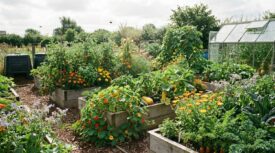
What Is Companion Planting?
Companion planting means purposely grouping certain plants because they play well together. It’s more than just saving space—it’s about creating a garden that’s healthier, more productive, and more self-sufficient. Some combinations work because one plant keeps pests at bay for its neighbor, while others help by putting good stuff into the soil, drawing in pollinators, or making a better spot for all the plants around. Many of these connections are pretty specific, like how marigolds can keep nematodes away from tomato roots, but some benefit the whole garden by making the soil richer over time.
Companion planting comes from a mix of ancient wisdom and what modern science tells us. Many Indigenous and old-world societies, such as the Native American Three Sisters technique (corn, beans, and squash grown together), used this method for centuries before anyone broke down the science behind it.
Why Companion Planting Works (and Reasons to Try It)
There are so many reasons gardeners are getting back into companion planting. Here’s what makes this method such a great choice:
- Pest control: Certain plants naturally keep bugs away from their neighbors, so you won’t need as many sprays.
- Better pollination: Flowering plants like borage or nasturtium attract bees and butterflies, giving your veggies a pollination boost and improving your harvests.
- Healthier growth: Tall plants can give shade or wind cover to shorter ones, and deeprooted plants bring up nutrients from the lower soil layers for their shallowrooted friends.
- Soil helpers: Legumes such as beans and peas add nitrogen to the soil, feeding leafy crops without any chemical fertilizers.
- Maxed out space: Mixing plants with different growing styles uses every inch of your garden, which is awesome if you’ve got limited space or raised beds.
All of these factors come together to create a more balanced, productive garden that needs fewer chemicals and less upkeep in the long run.
How Companion Planting Looks in Herb and Vegetable Gardens
Companion planting shines when it comes to herb and veggie gardens. A few pairings are famous because they truly work. Check out some tried-and-true combinations many gardeners rely on:
- Tomatoes and basil: Basil isn’t just a tasty match for tomatoes in the kitchen—it can also help keep pests like thrips and aphids at bay, and some swear it makes tomatoes taste better too.
- Carrots and onions: The strong smell of onions confuses carrot flies, making it harder for them to locate the carrots. Carrots also do well planted right alongside onions.
- Cucumbers and nasturtiums: Nasturtiums lure away aphids and beetles from cucumbers, plus their colorful flowers bring in busy pollinators.
- Beans and corn: Beans can climb cornstalks for support, while feeding nitrogen to the corn—a trick gardeners have been using for generations.
- Lettuce and chives: Chives help keep aphids away, while blooming chive flowers tempt pollinators.
Herbs like dill, cilantro, and parsley make good “umbrella plants,” as they bring in bugs that love to eat pests. Having ladybugs appear just when aphids become a problem is a great bonus to this approach. Mixing herbs and veggies isn’t just practical—it makes your garden look and smell amazing too.
Some gardeners also experiment with flowers like marigolds, calendula, and alyssum at the edges of beds. These flowers help with pest control and encourage helpful insects, making a noticeable difference in how healthy and beautiful your garden becomes.
Common Mistakes and How to Avoid Them
Companion planting isn’t always as simple as it looks, and even experienced gardeners can make mistakes. Here are some common missteps and tips to dodge them:
- Mismatched partners: Not every pairing is a winner. Onions don’t mix well with peas or beans, and pairing the wrong plants can slow both down.
- Overcrowding: Trying to cram too many companions into one spot will leave them fighting for root space, light, and air, resulting in stunted, unhappy plants.
- Forgetting about soil needs: All plants have their own tastes when it comes to water and nutrients. Pairing thirsty plants with droughttolerant ones often leaves someone stressed.
To steer clear of these problems, stick with well-tested plant combinations, especially when starting out. Keep a gardening notebook handy. Jot down what thrives and what flops so you can tweak your game plan for the next season. Remember, some trial and error is all part of the fun of home gardening.
How to Get Started with Companion Planting
Jumping into companion planting doesn’t need to be hard or pricey. Here’s a stepwise plan to help you hit the ground running this season:
- Start with your favorite crops: Make a short list of must-have veggies and herbs you love to eat.
- Match up good companions: Take a look at reliable resources like gardening books or websites to find the best plant neighbors for your list. The Royal Horticultural Society guide on companion planting is a solid place to start.
- Map out your beds: Sketch a garden layout, putting companion pairs near each other. Consider plant heights and orientations so that no one gets shaded out unfairly.
- Test a few pairings first: Don’t try to rework your whole garden in one go. Test a couple of the best companion combos and see how it goes.
- Pay attention: Watch what comes up! Notice if there are fewer pests, bigger or tastier veggies, or healthier leaves. Even small changes show you’re on the right path.
A notebook is great for tracking what works and what doesn’t. That way, you can repeat your wins and avoid making the same mistakes next year.
Practical Tips for a Better Companion Planting Experience
- Add flowers to veggie beds: Marigolds, calendula, and nasturtiums don’t just look eye-catching—they work full time fighting pests and bringing in pollinators.
- Group by thirst levels: Keeping thirsty plants together and putting droughttolerant ones elsewhere makes watering easier and helps prevent overwatering any roots.
- Rotate your crops yearly: Switching around your plant pairs from year to year helps prevent soilborne bugs and diseases and keeps your soil fresher for longer.
Real-World Examples and Success Stories
Smart companion planting can make even a tiny raised-bed garden more productive and resilient. For example, adding alyssum and chamomile along a vegetable bed encourages helpful bugs like hoverflies and ladybugs, which take care of aphids. In a local community garden, planting onions near carrots cut down carrot fly damage significantly. It’s fun to notice how the right combinations bring more beneficial insects, healthier veggies, and reduce problems without much fuss. Many gardeners document these successes each season, so the practice just keeps spreading and improving.
Frequently Asked Questions
Here are a few things people often ask when stepping into companion planting:
Do companion plants mean no veggie pests at all?
Answer: While companion planting puts a dent in pest problems, it’s not a miracle cure. Some harmful bugs will still show up, but a well-planned mix of plants makes it a lot tougher for them to become a big problem.
What about containers? Can companion planting work there?
Answer: Absolutely! Herb pots are just right for this. Basil and parsley pair beautifully with tomatoes or peppers in containers—just be alert for root crowding and give your plants room to grow.
How do I find pairing charts for my local area?
Answer: Your local extension office or gardening club is a great place to ask for advice based on regional conditions. You can also check resources like The Old Farmer’s Almanac’s companion planting chart, which covers lots of climates and zones.
Pulling It All Together for a Healthier Garden
Trying companion planting isn’t about nailing it on your first try. It’s about learning step by step, working with nature, and celebrating the wins—big or small. Start with a few classic pairings, keep the setup simple, and let your plants help each other. As the seasons go by, you’ll notice your garden runs more smoothly, requires less chemical fuss, and gives back more than you put in. Have fun and happy growing!