
Companion planting is all about growing herbs and other plants side by side in ways that give each other a boost, whether that’s encouraging growth, fending off pests, or just making your garden look next-level cool. If you’ve ever wondered which herbs make great neighbors, I’m sharing what I’ve learned from years of experimenting in my backyard (and checking out lots of gardening books). Getting the right pairings can make herb growing way easier and even more fun.
Why Companion Planting Works for Herbs
Herbs aren’t just for spicing up food—they’re some of the best companion plants out there. They can draw in pollinators, keep away annoying bugs, and even help neighboring plants grow stronger. A lot of these benefits come from the natural oils and scents herbs put out, which either attract helpful bugs or keep away the bad ones.
For example, basil’s strong scent is known to confuse pests like aphids, while dill can draw in helpful insects such as ladybugs. Planting herbs together is pretty handy if you want more than just a few leaves for your kitchen, but instead want a healthier, more balanced garden patch. Plus, it creates a more natural ecosystem where each plant plays a distinct role.
Getting Started: Basic Principles of Herb Companion Planting
Before grabbing a bunch of seedlings and putting them in the soil, it’s important to know which herbs thrive together and what each one needs. Some herbs love sun, while others are happier in partial shade. Watering needs, soil type, and growing habits all come into play for a successful arrangement.
- Match Watering Needs: Pair herbs that like the same amount of moisture. Thirsty herbs like basil and parsley do well together, while droughtresistant ones like rosemary and thyme make a great group.
- Mind Growth Habits: Fast spreaders like mint can take over, so they do best in pots or with barriers, even if placed near other herbs.
- Space Wisely: Some herbs, such as dill and cilantro, get pretty tall quickly. Avoid shading out shorter friends like chives or oregano. Letting enough sunlight reach all plants is key for strong growth.
Top Herb Pairings That Grow Well Together
For anyone new to companion planting, here are herb combos I’ve had really good luck with:
- Basil and Parsley: Both love moist, nutrient-rich soil and sunny spots. They don’t compete much and fill out nicely together, often producing better yields side by side.
- Rosemary, Sage, and Thyme: This trio loves drier, sandy soil and full sun. Their flavors might be pretty different, but their growing style is really similar, making maintenance a breeze.
- Chives and Tarragon: Both do well in evenly moist soil with good drainage. Chives are known to boost the flavor of tarragon and even improve pest resistance by confusing some harmful bugs.
- Basil and Tomatoes: Though not both herbs, basil pairs especially well with tomatoes. Setting these two together steps up the growth and taste of both, and helps keep away pest insects like tomato hornworms.
Herb Combos to Avoid
Just because herbs are all “herbs” doesn’t mean they’ll always get along. Some combinations compete for nutrients or stunt each other’s growth. Here are a few combos I steer clear of:
- Basil and Rue: These don’t get along in the same bed; their growth can suffer.
- Dill and Cilantro Close to Fennel: Fennel tends to be the loner in the herb garden. It releases compounds that can mess up the growth of most herbs, especially dill and cilantro.
- Mint with Anything, Unless in Pots: Mint is a vigorous spreader and will bully most neighbors. I keep mint in pots, even when placing the pot in garden beds with other herbs. This prevents mint roots from overtaking the bed.
Practical Tips for Companion Planting Herbs
Mixing and matching herbs is super rewarding if you plan things out a bit. Here are some tips I’ve picked up:
- Use Raised Beds or Containers: Great for keeping spreaders like mint in check and making it easy to control soil conditions for different herb groups.
- Label Everything: When herbs are young, they look a lot alike. Labeling helps avoid confusion later on and makes care easier.
- Rotate Plantings: Changing up planting patterns each year can confuse certain pests and keep soil healthier. Giving the soil a break from the same crop helps with disease prevention too.
- Mulch Between Plants: A thin layer of organic mulch can help lock in needed moisture and keep weeds down, especially around thirsty herbs.
- Group Herbs by Needs: Put Mediterranean herbs together, group moisture lovers together, and keep aggressive growers apart.
Common Problems & How to Handle Them
No planting method is perfect, but companion planting can help handle most garden headaches. Here’s what to watch for:
- Pest Outbreaks: If you notice pests targeting one area, plant some insect-repelling herbs nearby, like basil, chives, or savory. Hand picking bugs can also help, and so does rotating herbs each season.
- Fungal Disease: Overcrowding can bring on mildew, especially with parsley and basil. Space plants a little farther apart for airflow, and water at the base instead of from above to prevent leaf wetness.
- Nutrient Struggles: If leaves look yellow or stunted, try some homemade compost or go for an organic all purpose fertilizer. Companion herbs usually help, but tired soil still needs a boost. Don’t be afraid to check your soil’s pH as well.
Mint’s Wild Ways
Mint deserves its own section because it’s tough to tame. I once let a chocolate mint plant share space with my chamomile patch, and by the end of summer it took over half the bed! My tip: always grow mint in its own container, even if you tuck the container within your herb garden. This way, you still get those lovely scented leaves without worrying it’ll choke out everything else. Try different mint varieties (peppermint, spearmint, chocolate mint) for a range of flavors—each is equally vigorous, so they all need their own space.
Cool Benefits of Pairing Certain Herbs
- Attract More Pollinators: Herbs like dill, fennel (when given space), chives, and even some flowering basil varieties put out blooms that bees, butterflies, and other good bugs love. This helps with overall garden health and leads to better fruit and seed production in other plants.
- Better Taste and Bigger Harvests: Parsley grown near chives can develop stronger flavor, and basil close to tomatoes or peppers can help them both taste brighter. Chives near carrots not only step up the carrots’ flavor but can help keep away root fly.
- Some Pairs Fight Off Bad Bugs: Basil next to rosemary helps reduce aphid numbers, and thyme by cabbage keeps some caterpillars away. Marjoram mixed into beds is also known to boost health of other neighboring plants.
Real-World Examples from My Garden
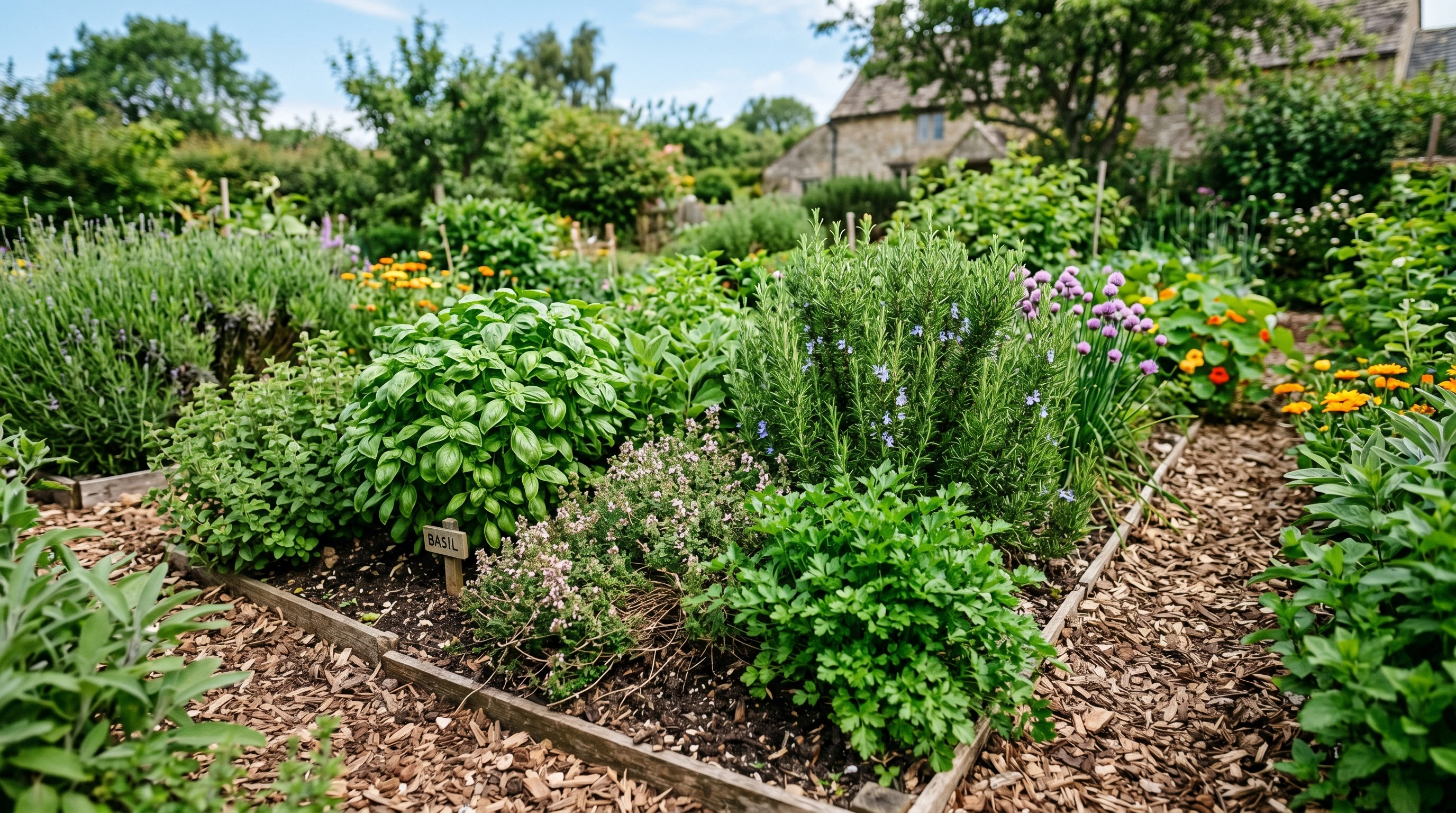
I’ve tried out a bunch of combos, and my go-to layout is a raised bed with rosemary, sage, and thyme grouped together at the sunny end, basil and parsley on one side (where I water more often), and a row of chives and tarragon along another edge. A pot of mint sits halfway sunk in the ground to stop runners. Each season, I get lush growth and only the odd nibble from pests.
For anyone just starting out, you’ll probably make a few mistakes early on—I definitely have! Sometimes, a new combo just doesn’t click in your yard, especially with changes in weather or soil. Don’t stress; moving plants around the following year is part of the fun. You may also stumble upon new pairings that work better for your climate or soil type.
Herb Companion Plant FAQ
Question: Can I put all my herbs in one big pot?
Answer: If they have similar light and water needs, sure. Mediterranean herbs (like rosemary, oregano, and thyme) do well together, but keep extra thirsty herbs (like parsley and basil) in separate containers or group them where you can water more. Watch out for mint, though—it always wants its own pot!
Question: Why isn’t my basil thriving next to my rosemary?
Answer: It often comes down to different water needs: basil wants more moisture, while rosemary prefers drier conditions. They grow better in separate spots or at least separate pots within a planter box.
Question: Is it worth adding flowers to a herb bed for even more variety?
Answer: Definitely. Marigolds, nasturtiums, and calendula are a few that mix in nicely with herbs and help attract pollinators or deter pests, making your herb garden both useful and eye-catching. Plus, the burst of color adds a pop to your beds.
Getting the Most Out of Companion Planting
Pairing herbs in your garden or containers doesn’t take a lot of special skill—just some planning and patience. Start small, maybe with a classic combo like basil and parsley or a Mediterranean mix of rosemary, sage, and thyme. Watch how your plants respond over the weeks, then tweak things as needed. Even if you’re short on space, a windowsill or a few planters offers plenty of room to experiment. Try rotating herbs, adding flowers for pollinators, or experimenting with new combinations to find what works best for your needs. Before you know it, you’ll have a fresh supply of herbs and a garden that’s a lot more resilient and rewarding.