If you’re starting out in gardening or just want to learn the basics, understanding soil is a great place to begin. Soil isn’t just dirt; it’s a living system that plays a big role in supporting plants and helping them thrive. Whether you’re trying to grow veggies in a backyard patch or want happier houseplants indoors, getting a handle on soil basics sets you up for success.
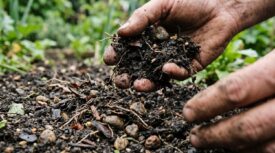
Why Soil Matters So Much for Beginners
Soil is way more than just something that holds plants upright. The type and quality of soil can make the difference between healthy, fast-growing plants and sad, wilted ones. Soil gives roots a place to anchor, supplies water and nutrients, and also lets air flow down to the roots for healthy growth.
Soil health has been getting more attention in recent years as more folks get interested in gardening, landscaping, and indoor plants. A 2023 report from the United States Department of Agriculture (USDA) even points out that good soil is the backbone of sustainable food production and helps support healthy ecosystems. That’s a pretty big deal if you care about the environment or just want to keep your garden looking its best.
Getting to know the basics means you can spot problems early and fix them before they get out of hand. A lot of beginner mistakes, like yellow leaves or stunted plants, trace back to soil issues. So, let’s now have a look at what makes up soil and how it all works.
The Key Parts of Soil: Breaking It Down
Soil is actually a mix of a few main ingredients, each playing its own part in plant health:
- Mineral Particles: Tiny bits of sand, silt, and clay give soil its texture and structure. The size of these particles influences how water and air move through the soil.
- Organic Matter: Decayed plant and animal material makes up the organic side. This includes things like old leaves, compost, and tiny microbes. It’s super important for holding moisture and feeding plants.
- Water: Carried through the soil’s small spaces, water keeps roots hydrated and helps nutrients move around.
- Air: Roots need oxygen too, so soil needs tiny air gaps to keep plants breathing and healthy.
When these parts are balanced, you get strong, healthy plants. If the balance is off, things can go wrong pretty quickly.
Common Soil Types – What You Need to Know
Not all soil is the same. You’ll usually hear about a few main types, each with its own pros and cons:
- Sandy Soil: Made up of larger particles, sandy soil drains quickly but can dry out and lose nutrients fast. It’s easy to dig and heats up fast in spring, so it’s great for early crops but needs lots of watering and feeding.
- Clay Soil: Tiny particles pack together tightly, holding onto water and nutrients better than sand but sometimes a little too well. This soil can get sticky and waterlogged, making it hard for roots to breathe.
- Silty Soil: Silty soils are smooth and feel almost soapy. They hold water better than sand but can get compacted if walked on, which makes it tough for roots to grow.
- Loamy Soil: The Holy Grail for most gardeners. Loam is a balanced mix of sand, silt, and clay, plus lots of organic matter. It drains well, holds nutrients, and is easy for roots to push through.
You can find out what type you have by grabbing a handful of moist soil and squeezing it. Sandy soil crumbles, clay sticks together, silt looks powdery, and loam holds its shape but falls apart easily.
It’s also helpful to watch your garden after rain. Does water soak in quickly, or does it pool on top? This simple check can tell you a lot about your soil’s drainage and overall type. Remember, observing these signs regularly helps you adjust your gardening methods for better results.
Getting Your Soil Ready: Prep Basics for Beginners
Improving soil is actually pretty fun, and you don’t need fancy gear. Here are a few steps to get your soil in top shape before planting:
- Remove Debris: Clear out rocks, weeds, and old roots. This gives your new plants plenty of room to grow.
- Loosen It Up: Use a hoe or shovel to turn over the soil and break up clumps. Loosening helps get air and water deeper down to the roots.
- Add Organic Matter: Spread a few inches of compost or well-rotted manure over the surface and mix it in. This boosts nutrients and helps the soil hold moisture.
- Test the Soil: You can buy a simple kit online or at a garden store. Knowing your soil’s pH (acidity or alkalinity) helps you pick the right plants.
If you’re dealing with heavy clay, mixing in coarse sand or more compost can help drainage. Sandy soil can be beefed up with organic matter to slow down water loss. Basically, adding compost is almost always a good move.
Paying attention to weed growth can offer hints about your soil. Certain weeds, like dandelions and plantains, thrive in compacted soil. Their presence suggests you might need to break up the ground more or add extra organic material. Tracking weed types is another beginner-friendly way to gradually get a feel for soil condition.
Understanding Soil pH – What’s That All About?
Soil pH is a fancy way to talk about how acidic or alkaline your dirt is. The scale goes from 0 to 14, with 7 being neutral. Most plants do their best in soil with a pH between 6 and 7.5. Here’s why it matters:
- Too Acidic (Low pH): Nutrients like phosphorus become harder for plants to absorb. You might see yellow leaves or stunted growth.
- Too Alkaline (High pH): The opposite problem: some nutrients get “locked up” and can’t be used by roots even if they’re in the soil.
Soil tests are pretty easy, and they’ll tell you where your soil sits. If you need to raise pH (make soil less acidic), adding garden lime helps. To lower pH (make it more acidic), you can use sulfur or peat moss. Always follow package directions and check your plants after making changes. Sometimes, even rainwater or the type of mulch you use can gradually tip your soil’s pH, so it pays to check it every season.
Common Soil Problems and Easy Fixes
Bumps in the road are normal. Here are a few common issues you might run into:
- Compacted Soil: Soil that’s packed too tight stops roots from spreading. Fix it by loosening with a fork, adding organic matter, and avoiding walking in garden beds.
- Poor Drainage: Water that pools and doesn’t soak in can drown plants. Raised beds or adding sand and compost can help excess water drain away.
- Nutrient Deficiency: Leaves turning pale or plants growing slowly can mean your soil’s short on key nutrients. Topping up with compost or a balanced fertilizer solves this problem most of the time.
Regular observation and a little experimentation will help you spot what your particular soil needs most. Sometimes a soil issue comes down to location too. If a patch of ground stays shady and soggy, try growing shade-loving plants or switch locations. Working with your site’s quirks is one way to steer around soil problems without much fuss.
Easy Ways to Test and Improve Your Soil
You don’t need a lab to figure out what’s up with your garden soil. Here are some simple DIY tricks:
- Jar Test: Fill a clear jar half-full with soil and water, shake well, and let it settle overnight. Layers will show you the balance between sand, silt, and clay.
- Worm Count: Dig a small hole and count how many worms you find. More worms usually mean your soil is healthy and full of organic matter.
- Smell Test: Healthy soil smells fresh and earthy. A sour or rotten smell often means drainage problems or decaying material.
Boosting soil health usually comes down to adding compost regularly, mulching your beds, and rotating crops if you grow vegetables. These steps help support the microbes and worms living in your soil, which in turn help your plants. Also, consider planting cover crops like clover or vetch in the off-season. Cover crops add organic matter, keep nutrients from washing away, and even make the soil easier to work with in spring. These easy habits make a difference over time.
Frequently Asked Questions
Here are a few quick answers to questions I get all the time about soil:
Question: How do I know if my soil needs fertilizer?
Answer: Check your plants first; pale or slow growth is a sign they need more nutrients. A soil test will confirm if you’re missing something specific like nitrogen, phosphorus, or potassium.
Question: Can I use potting soil from the store in my garden?
Answer: Potting soil is made for containers, not garden beds. It’s super light and drains fast, which isn’t always great for ground planting. Stick to garden soil amendments for outdoor beds.
Question: How often should I add compost?
Answer: Once or twice a year is great. Spread an inch or two on top of your beds and gently work it in for best results.
Question: Can houseplants benefit from better soil too?
Answer: Absolutely; repotting houseplants with fresh soil or mixing in some worm castings can give indoor greenery a healthy boost. Paying attention to soil moisture and drainage makes your indoor plant care much easier and helps prevent root rot.
Wrapping Up Your Soil Basics Adventure
Learning the basics of soil pays off whether you’re growing tomatoes outdoors or keeping your snake plant happy on a sunny windowsill. By understanding the different types of soil, how to give a boost to its health, and what to look out for, you can set up your plants (and yourself) for some serious wins. Healthy soil means bigger, easier, and more rewarding gardening, no matter your skill level. If you’re curious to learn more, check out guides from your local extension office or reliable sources like the USDA NRCS Soil Health website for really in-depth info.