Gardening in small spaces might look tricky at first, but it honestly opens up a whole set of creative opportunities. There are tons of ways to grow herbs, veggies, or even flowers without a big backyard. Container gardens, vertical planters, and a bit of smart planning can help you get the most out of patios, balconies, windowsills, or corners of your apartment. I’m breaking down what you really need to know to make the most of whatever space you’ve got for a lush, thriving minigarden.
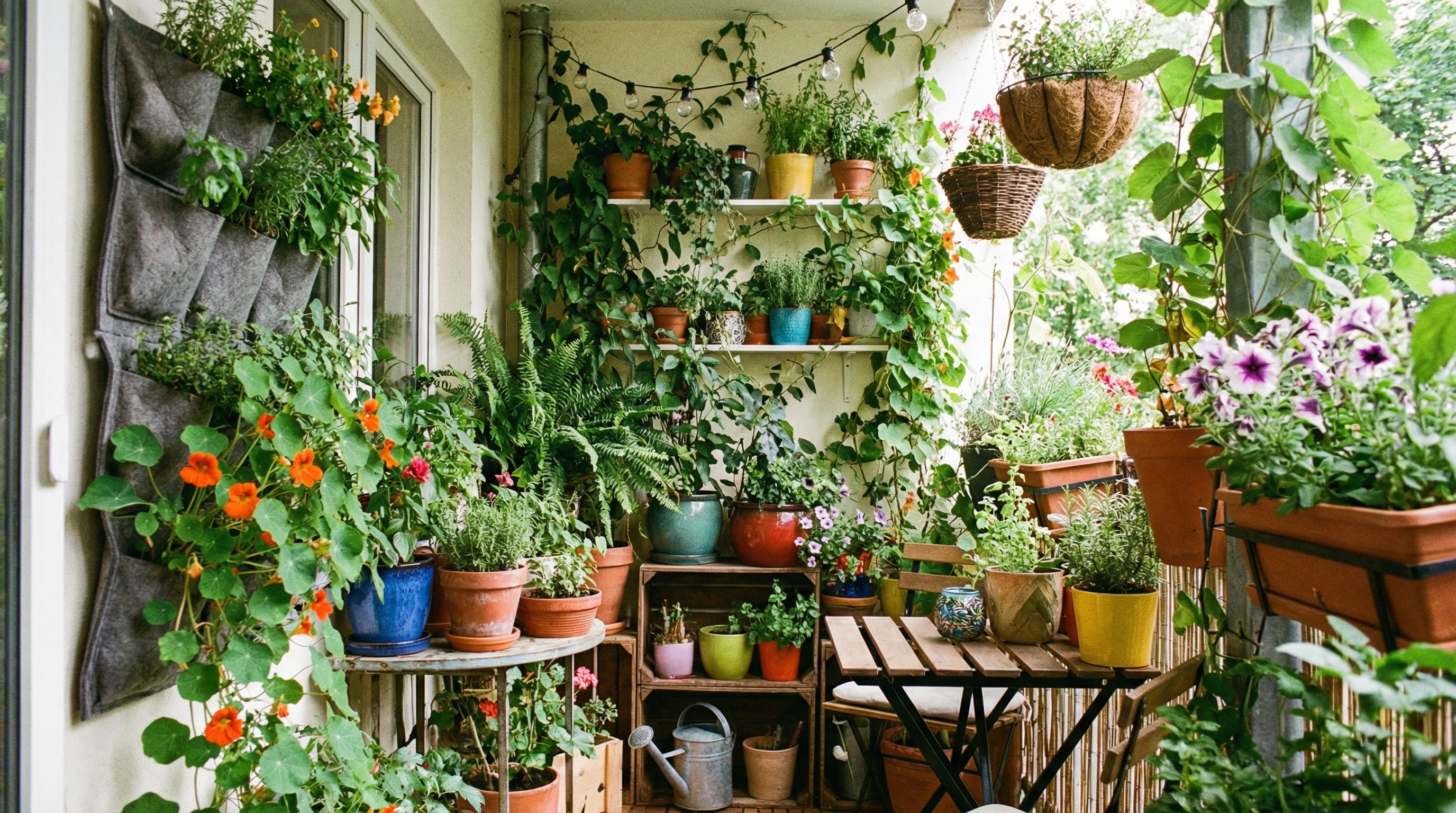
Best Small Space Gardening Methods
So many people think you need a big backyard to garden, but that’s just not true. Lots of plants do perfectly fine in pots, planters, or unusual containers you can put just about anywhere. Here are some of the main methods that work really well in tight spots:
- Container Gardening: This is about planting in pots, tubs, buckets, or pretty much anything that can hold soil and has drainage. Perfect for patios, windowsills, or around the porch. Tomatoes, basil, salad greens, and even dwarf citrus trees can do well here.
- Vertical Gardening: Going up instead of out is super handy. You might use wall planters, stacked shelves, or even hanging baskets for strawberries or flowers. This setup gets you plenty of growing room without taking up much floor space.
- Raised Beds: Compact raised beds give you a lot of control over soil and drainage, and they keep things neat. These work in small squares on patios or even balconies if you opt for lightweight containers.
- Indoor Gardens: If you’re working with zero outdoor space, indoor herb gardens or microgreens on the windowsill are worth checking out. Grow lights can make a huge difference in darker rooms.
Starting with the method that fits your space (and your style) makes all the difference. Each one has its perks, so pick what matches your lifestyle and how much tending you want to do.
If you’re feeling adventurous, check out hydroponic gardening for tiny spaces. Hydroponics use water and nutrients, not soil, which can be perfect for apartments with little sunlight or where you want to keep things mess-free. Systems range from simple mason jars with nets to more elaborate tower gardens. These setups let you grow lettuce, basil, or even strawberries indoors, creating a mini-farm vibe right in your living room. It might take a little more research and experimentation, but for gadget fans or anyone looking to grow year-round, it’s an exciting step up from traditional pots.
Getting Started With a Small Space Garden
Picking what you want to grow is a big first decision. Space is tight, so it pays off to plan a bit before grabbing seeds and soil. I usually think about what I use most in the kitchen, or whatever plants make me happiest to look at every day. Here are a few steps to get going:
- Choose Your Plants: Start with spacesaving crops—think compact varieties of tomatoes, peppers, salad greens, or herbs like basil and mint. Some seed catalogs even label plants especially suited for containers or tiny gardens.
- Pick the Right Containers: The size and type matter more than people realize. Shallow pots are fine for lettuce or radishes, but tomatoes or peppers need something deeper. Make sure every pot drains well to keep roots healthy.
- Use Quality Soil: Go for potting mix over regular garden dirt. Potting mixes drain better, don’t get compacted, and have the right nutrients for potted plants.
- Consider Sunlight and Water: Most veggies and herbs want at least 6 hours of sunlight. If sunlight is limited, opt for lowlight plants or use a grow light. Make it easy to water—pots dry out fast, so I keep a watering can or small pitcher nearby.
- Start Small: A few containers or a simple vertical setup is easier to manage and won’t overwhelm you. Add more as you gain confidence.
Small space gardening is all about working smarter, not harder. Planning out what fits your space and schedule keeps the whole project fun instead of stressful. Don’t hesitate to sketch out your setup or jot down notes for plant placement, as mapping it visually helps you avoid overcrowding and see where sunlight will fall over the day.
What To Plan For In Tiny Gardens
Gardening in small spots comes with a few unique challenges, but none that you can’t work around. Here are some things I watch out for, and deal with, in my own little balcony garden:
- Drainage Issues: Pots sometimes don’t drain well enough. Always add drainage holes to containers if they’re missing, or use pebbles in the bottom for extra help.
- Limited Sunlight: If your space faces north or is shaded by buildings, select shadetolerant plants like mint, lettuce, or ferns. Supplement with grow lights if you want to grow sun lovers like tomatoes.
- Watering Needs: Containers dry out much faster than garden beds. During hot weather, daily watering could be needed. I stick my finger in the soil; if the top inch feels dry, it’s time to water.
- Space Management: It’s easy to overplant or crowd pots. Give your plants the spacing recommended on their seed packet so they don’t compete too much for light, water, and nutrients.
Drainage Issues
Not all storebought containers have good drainage. I double-check by poking extra holes in the bottom or lining pots with gravel. Keeping roots from sitting in water is super important; root rot is a common problem that can wipe out plants fast if you’re not careful.
Limited Sunlight
Many city apartments or shady patios just don’t get enough sunlight for certain plants. For these spots, I stick to salad greens, chives, and mint, which grow with just a few hours of sunlight a day. Grow lights also make indoor gardening way more doable, especially over winter. Using mirrors near your pots or a reflective backdrop can bounce a little more light onto your plants, giving them an extra boost in darker rooms.
Watering Needs
When you garden in containers, soil dries out quickly, especially in windy or hot conditions. I find that selfwatering pots can help keep moisture more consistent. Mulching the top of soil with pebbles or straw slows down evaporation, too. Regular checks help prevent accidental wilting. Using a moisture meter can help newer gardeners keep tabs on soil hydration more accurately.
Space Management
I try not to cram too many seedlings in a single pot, even when I want more variety. Overcrowding slows growth and makes plants more prone to pests and disease. For things like salad greens or radishes, planting in wide, shallow trays lets me have a mini crop without chaos.
Working through these challenges doesn’t take fancy tricks. Just a bit of observation and willingness to try new setups if something’s not working keeps your garden in shape. Keep a gardening journal to note what works and what doesn’t each season, making next year’s planning a breeze.
Leveling Up: Smart Tricks for Small Gardens
If you’re feeling comfortable, there are some handy ways to make even more of your small garden space:
Grow Upwards: Trellises, wall planters, and stackable pots can turn a small footprint into a much bigger growing area. Vining crops like peas, beans, or cucumbers love to climb and won’t sprawl over the rest of your containers.
Companion Planting: Certain plants (like basil and tomatoes, or lettuce tucked under taller peppers) can share containers or space well without fighting for resources. This is a classic trick for squeezing in more flavor or color per square foot.
Succession Planting: Plant quickgrowing crops (like radishes) early, then swap them out for summer herbs or lateseason lettuce. This way, your containers are always full, and you get more harvests from the same spot.
Creative Containers: Almost anything can become a planter. I’ve used old wooden boxes, colanders, and even chipped mugs. As long as there are drainage holes and enough space for roots, you’re set. If you want a truly eye-catching display, consider painting your containers bright colors or grouping different shapes together for a playful look.
Mixing these ideas together can help you turn a few square feet into a surprisingly productive patch. Add personal touches, like plant markers or themed planters, to give your small garden some personality.
Equipment and Tools for Small Space Gardens
Starting out doesn’t require much gear, but a few basics make life a lot easier. These are the tools I reach for most often in my tiny balcony garden:
- Watering Can or Mister: Something small and easy to carry around tight spaces, with a gentle pour.
- Hand Trowel: Handy for planting, transplanting, and digging.
- Pruners or Scissors: Compact pruners help keep herbs and leafy veggies neat, and you can harvest easily.
- Pots, Planters, and Trays: Start with what you have, but sturdy containers (terracotta, plastic, or recycled) work well.
- Potting Mix and Fertilizer: Special potting soil is lighter and drains well. Choose organic or slow-release fertilizer to keep things easy.
You don’t need to splurge on lots of gadgets; just start with the basics, see how things grow, and add items as needed over time. I often shop secondhand or swap extras with neighbors to save money. Over time, you’ll find which tools you reach for most and which you can skip.
- Herb Garden: Basil, chives, thyme, and parsley all do great in small pots indoors or outside. Snip off leaves as you cook for fresh flavor all season.
- Edible Flowers: Nasturtiums, pansies, or calendula flowers not only look beautiful but can be added to salads and desserts.
- Mini Veggies: Salad greens, cherry tomatoes, radishes, and peppers can all thrive in containers or wallmounted planters.
Consider investing in a small compost bin or worm farm if you want to recycle kitchen scraps and create rich fertilizer for your plants. Even a compact system under the sink can provide great nutrients and keep your garden greener.
Frequently Asked Questions
People ask a lot of the same things when thinking about starting a small space garden. Here are a few questions I hear most often:
Question: Can I really grow vegetables on a balcony or indoors?
Answer: Absolutely. Plenty of veggies thrive in pots or containers on a balcony. For indoors, choose herbs or microgreens and get a grow light if sunlight is limited.
Question: How often do I need to water container plants?
Answer: It depends on the weather, pot size, and plant type. Usually, container plants need water more often, sometimes every day in hot months, every couple of days in cooler weather.
Question: What’s the best soil for small space gardens?
Answer: Go for a potting mix labeled for containers. These have the right balance for drainage and nutrients and are lighter than regular soil.
Question: How do I keep pests away in my small space garden?
Answer: Inspect your plants frequently and remove any bugs or eggs by hand. You can also use gentle organic sprays, like soapy water or neem oil. Good airflow helps spot problems early, and mixing in strong-scented herbs (like basil) can help deter some pests.
Question: Can I grow fruit in small spaces?
Answer: Yes! Dwarf fruit trees, strawberries in hanging baskets, and blueberries in large pots all work well. Just make sure they have enough root room and sunlight.
Final Thoughts on Small Space Gardening
Small space gardening is about finding creative ways to make greenery and fresh food fit your lifestyle. Little tweaks, like choosing the right plants, using good soil, and making the most of vertical space, really go a long way. The rewards are tasty and pretty satisfying, whether you’re snipping fresh basil for dinner or just soaking up a little extra green in your apartment window. No matter where you live, there’s room to grow a little joy all year long.