
Healthy soil supports just about everything we do in agriculture and gardening, but there’s a whole hidden world underneath our feet doing the heavy lifting. Microorganisms in the soil, like tiny bacteria, fungi, archaea, protozoa, and more, are the real MVPs when it comes to plant health, soil fertility, and the recycling of nutrients. The community of microbes living in soil is complex, lively, and full of processes most people never notice. Here’s my breakdown of why these small life forms matter so much for keeping soil, and the plants growing in it, thriving.
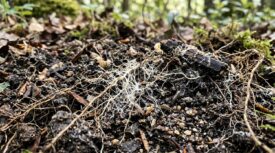
The Impact of Microorganisms on Soil Health
Microorganisms are all around us, but in soil their presence is especially powerful. You’ll find billions of bacteria, miles of fungal hyphae, and a busy assortment of other microscopic life in just a handful of healthy dirt. These microbes may be out of sight, but they’re not out of action. Here’s what makes them so important for soil health.
Soil teeming with microbes has much better structure and fertility than lifeless dirt. That’s because microbes actively break down dead plants and organic matter, releasing nutrients that plants need. They create natural glues that help soil stick together, forming those crumbly aggregates that gardeners and farmers love to see. When the right types of microorganisms are present, soil is more resilient and recovers faster from stress.
These benefits explain why so many garden guides and agricultural resources talk about boosting soil life through compost, cover crops, and less chemical use. There’s actual science behind these practices; the richer the soil’s community of microorganisms, the healthier the plants growing in it can be.
Key Types of Soil Microorganisms and What They Do
Soil isn’t just a random mix of tiny living things. The world beneath the surface is highly organized, even if the inhabitants are microscopic. Here are some of the main players and what they contribute:
- Bacteria: These are often the most common microorganisms in soil. Many break down organic matter and recycle nutrients, while others help protect plants from diseases. Some even form partnerships with plant roots to fix atmospheric nitrogen so plants can use it.
- Fungi: Not just mushrooms! Most soil fungi live as fine threads (hyphae) and can stretch far across a field or garden bed. Mycorrhizal fungi form partnerships with plant roots, trading nutrients with them and helping plants absorb water more efficiently.
- Archaea: These are ancient life forms similar to bacteria but with some very unique abilities. In soil, they’re especially good at surviving in extreme conditions and may play a role in breaking down hard-to-digest materials.
- Protozoa: These single-celled organisms eat bacteria and help keep populations in balance. They also release nutrients that plants can use.
- Nematodes (Microscopic Worms): Some are plant pests, but many are beneficial, feeding on bacteria, fungi, and other smaller soil organisms.
Each group has its own job to do, and when they’re all working together, soil stays lively and productive.
Main Benefits of Soil Microorganisms
Just knowing these small organisms exist isn’t quite enough to appreciate their value. Here’s why I think soil microbes are super important for anyone wanting healthy plants or robust crops:
- Nutrient Cycling: Microbes break down complex plant and animal remains so that nutrients like nitrogen, phosphorus, sulfur, and more are released in forms that plants can absorb. Without this ongoing recycling, soil would quickly lose its fertility.
- Building Soil Structure: Some microbes produce sticky compounds that bind soil particles together, creating air pockets and improving water movement. Good structure means roots grow more easily and water drains well.
- Disease Protection: Healthy soil with lots of microbial activity can suppress some plant diseases. Beneficial microbes crowd out or attack disease-causing ones, acting like a natural defense squad.
- Boosting Plant Growth: Some bacteria and fungi produce natural growth hormones or make trace minerals available to plants. That’s why plants in “alive” soil often look sturdier and greener than those grown in lifeless dirt.
I’ve noticed firsthand how adding compost or mulch seems to perk up tired garden beds. It’s not just about extra nutrients; it’s the boost to microbial life that really turns soil around.
Helping Microorganisms Thrive in Your Soil
Plenty of soil practices can help keep microbes happy and active. Here’s what works well, whether you’re a backyard gardener or working on a larger plot:
- Add Organic Matter: Compost, leaf mulch, and cover crops provide the food microbes need to multiply and thrive.
- Avoid Overusing Chemicals: Many pesticides and high-salt fertilizers can disrupt beneficial microbes. Natural alternatives or reduced applications keep populations balanced.
- Don’t Over-till: Frequent or deep tilling can break up fungal networks and disrupt delicate soil communities. Try shallow tilling or no till gardening for healthier soil structure.
- Keep the Soil Covered: Plants or mulch protect soil from harsh sun, wind, and erosion, all of which help microorganisms stay active year round.
- Rotate Crops and Diversify Plantings: Different plant roots “feed” different microbes, so a mix of plants in rotation supports a wider range of soil life.
Supporting microorganisms isn’t complicated, and a few simple habits can really give soil health a quick boost. Even something as basic as spreading kitchen scraps in a compost pile gets the microbe party started.
Common Challenges and How To Overcome Them
Soil microorganisms are tough, but a few common mistakes or challenges can slow them down. These are problems I’ve seen pop up the most and how to work around them:
Loss of Organic Matter
If you notice soil that’s compacted and hard, it’s likely lacking organic matter. Microbes just don’t have enough food. Steady composting or adding mulch solves this one pretty quickly.
Use of Harsh Chemicals
Some conventional fertilizers, as well as certain fungicides or herbicides, can reduce microbial diversity. Switching to milder or slow release options makes a big difference.
Poor Drainage
Soggy or waterlogged soil drives out oxygen, which microbes rely on. Amending with sand or organic matter and loosening packed zones helps the microscopic creatures get the air they need.
Soil Erosion
When topsoil blows or washes away, microbes go with it. Keeping ground covered with plants or mulch helps protect the whole system.
Handling these challenges is mostly about giving soil life what it needs: cover, food, and less disturbance. That’s usually all it takes for microbial communities to bounce back.
Extra Tips for Maximizing Microbial Benefits
Once you’ve started building healthy soil, you can take things further with a few advanced ideas I find really useful:
Try Worm Composting: Adding worm castings introduces even more beneficial microbes. Worms break down food scraps quickly, producing a rich, microbepacked soil amendment.
Experiment with Mycorrhizal Fungi: Products containing mycorrhizal spores (you can track these down at many garden centers) can help kickstart root partnerships for new plants or in freshly cleared areas.
Brew and Apply Compost Tea: Soaking compost in water for a day or two and then using the liquid as a soil drench spreads living microbes right to plant roots.
I’ve seen these tricks work in my own garden beds; plants bounce back faster after replanting, and overall growth improves noticeably. Soil comes alive quickly with just a little extra attention.
Real World Examples of Microorganisms at Work
- Regenerative Farms: Some farmers use “no till” systems, intensive cover cropping, and composting to supercharge soil life. Yields often improve and the need for chemical inputs drops over time.
- Home Vegetable Gardens: Gardeners who skip tilling and stick to mulching usually find their soil becomes looser, darker, and full of earthworms after a couple of seasons.
- Urban Greening Projects: Cities adding compost and planting diverse native plants see better stormwater absorption and lower rates of plant diseases, thanks to diverse soil life underneath.
These results aren’t flukes; they come from understanding and supporting soil microbes.
Frequently Asked Questions
What’s the best way to increase beneficial microbes in my soil?
Feeding soil with compost or mulch, avoiding harsh chemicals, and keeping it covered with plants or organic matter are all easy ways to increase beneficial soil life.
Are there signs my soil is alive with microorganisms?
Healthy soil smells earthy, stays crumbly, drains well, and often has plenty of earthworms and visible life. Slow plant growth or hard, crusty soil are signs more microbes or organic matter may be needed.
Does tilling dirt hurt soil microorganisms?
Frequent or deep tilling can disrupt the networks formed by microbes, especially fungi. Reducing tillage or switching to no till gardening often leads to a healthier soil structure and stronger plant growth over time.
Bottom Line
Soil microorganisms aren’t just invisible helpers; they’re the heart of a healthy garden or farm. By working with them through composting, careful soil management, and reduced disturbance, it’s possible to grow stronger plants naturally and for the long term. If healthier soil is your goal, focusing on feeding and protecting these tiny creatures is a smart move every time.