If you’re growing your own veggies, knowing the best vegetables to plant each season is pretty handy for getting a steady harvest and keeping your garden buzzing all year round. Timing makes a huge difference—planting the right vegetables during their favorite season can mean tastier crops, fewer pests, and less hassle. If you’re ready to dig in, here’s my take on choosing vegetables by season to make your gardening life a whole lot easier.
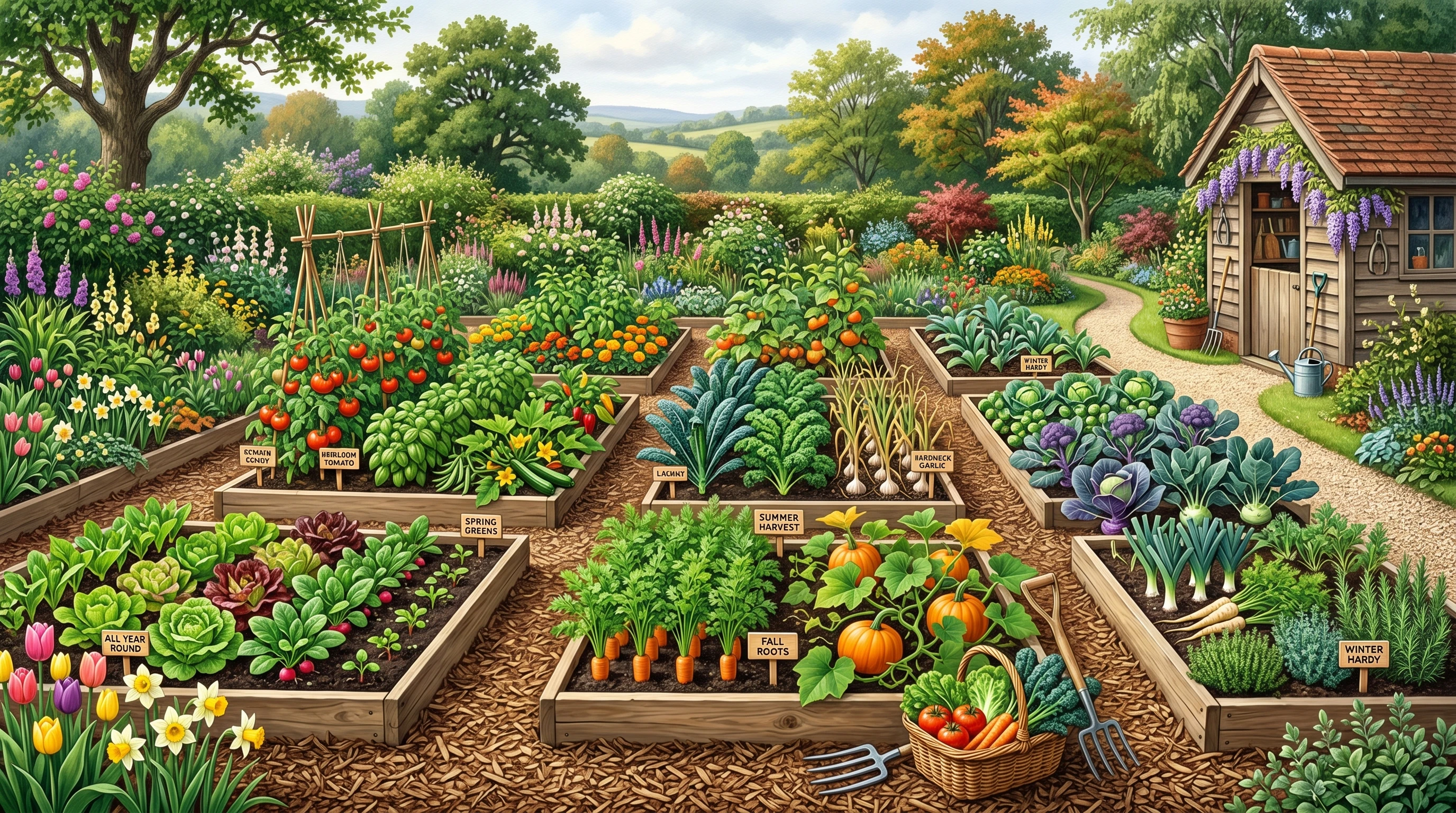
Why Planting by Season Matters
Vegetable growing isn’t just about tossing seeds in the dirt and hoping for the best. Different veggies have their own favorite weather, soil temperature, and daylight hours. Matching those needs not only gives you healthier plants, but also stretches your harvest window. For example, cool loving greens fade fast when summer heat hits, and tender beans disappear if there’s a surprise frost.
Growing with the seasons also gives your soil (and you) some downtime, naturally breaks pest cycles, and reduces the need for loads of chemicals or extra watering. It’s a smart way to keep gardening low fuss and fun, no matter if you’re starting with a patio container or a full backyard plot. Plus, getting in tune with the seasons can make you more aware of your local environment and how weather affects each crop’s success.
Spring Vegetable Stars
Once the winter chill is on its way out and the soil starts to warm up, it’s prime time for cool weather vegetables. These plants handle light frost and bounce back quickly from unpredictable spring days.
- Lettuce and Spinach: Both love the cool start to the growing season. I always toss in a mix for homegrown salads just weeks after snow melts.
- Peas (snap, snow, and shelling): Peas go straight into the ground as soon as soil can be worked. The sooner, the better; their sweet pods only get tastier in cool weather.
- Radishes: Radishes seem to thrive when planted early. They sprout quickly, making them perfect for impatient gardeners.
- Broccoli and Cauliflower: These are started indoors or bought as young transplants. They too appreciate the chilly mornings of early spring.
Spring planting generally starts a few weeks before the last expected frost date. Direct seeding early crops and transplanting a bit later helps spread out your harvest and reduces risk from surprise cold snaps. Don’t forget, covering crops with floating row covers can shield young plants from chilly nights or sneaky frosts that pop up early in the season.
Hot Weather Picks for Summer Planting
Once summer heat rolls in and frost warnings are gone, it’s time to switch gears. Warm season veggies genuinely need steady warmth to thrive. Here’s what takes center stage in my summer garden:
- Tomatoes and Peppers: These classic crops love long days and lots of sun. I start them inside in early spring, then move them outside once nights are consistently warm.
- Squash and Zucchini: Super productive and fast growing, these are direct seeded after soil warms up. They seem to produce more fruit than any family can eat.
- Green Beans: Bush or pole varieties both love the summer sun and go straight from seed to harvest in a snap.
- Cucumbers: Plant cucumber seeds when soil is warm for a nearly endless supply of crunchy refreshment.
- Corn: Rows of sweet corn make hot weather gardens feel like summer. Be sure to plant enough for good pollination, or your ears won’t fill out well.
Many summer crops need about three months of frostfree weather. Mulching around these plants helps keep moisture in and soil temperatures steady for less stress on both you and your veggies. For heat lovers like eggplant and okra, starting seeds indoors extends your season and ensures healthy, robust plants that really pump out fruits when the temperatures are right.
Top Choices for Fall Planting
When summer’s heat starts to break in late July or August, there’s still time to grow another round of vegetables. Fall gardening is great for folks who miss the first cool weather planting or want to stretch their harvest into the colder months.
- Carrots: Fall grown carrots often taste sweeter after a light frost, so midsummer sowing is perfect for a harvest before winter.
- Kale and Collards: These leafy greens don’t mind chilly nights at all, and flavor actually pops with cooler temps.
- Beets: Beets seeded in late summer fill out before the cold, offering both roots and greens for your table.
- Bok Choy and Asian Greens: These handle short days and colder weather, making them super for stirfries and soups late in the year.
- Turnips: Turnips grow quickly in the shorter days of fall, and both roots and greens can go on your plate.
Fall veggies usually go in the ground six to eight weeks before the first frost date. Using row covers or low tunnels is a handy trick for squeezing out a few extra weeks of growth and harvest from your late crops. Also, planting bulbs like shallots and overwintering onions at this time gives you something to look forward to in spring.
Winter Growers: Extending the Harvest
Winter vegetable gardening might sound odd, but plenty of hardy crops survive light to medium frost. Some even taste better after a freeze. Even in cold climates, hardy plants keep things interesting, especially if you have a cold frame or greenhouse to add a bit of protection.
- Garlic: I always plant garlic in the fall for a summer harvest next year. It quietly grows underground through winter.
- Onions (from seed or sets): Many folks plant onions in fall in milder climates, and they overwinter for a bigger harvest come spring or early summer.
- Spinach: Sown in late fall, spinach seeds germinate when they’re ready in early spring, giving you a head start.
- Winter Cabbage: Certain cabbage types are frost hardy with the right start in autumn and can last well into winter.
- Mache (Corn Salad): This super hardy salad green grows when almost nothing else does, even under a light snow cover.
Row covers, cold frames, or even a plastic tunnel work great for protecting winter crops. I like using old windows or clear plastic storage bins for quick DIY protection. You’ll be surprised how green your garden can feel even when snow arrives. And if you’re growing in containers, shift them closer to the house or into a sheltered spot to give your plants a boost during the harshest days.
Key Points to Consider Before Planting
Every gardener’s experience is a little different, but a few things help everyone get better results with seasonal veggie gardening.
- Soil Temperature: It isn’t just air temperature that matters. Some seeds won’t sprout unless the ground is warm enough. Using a basic soil thermometer can guide you on when to plant.
- Frost Dates: Knowing your local last and first frost dates is super important. These tell you when to start and stop planting for each season. Local extension offices and online tools can be pretty helpful here.
- Crop Rotation: Switching beds each year reduces soil borne diseases and keeps nutrients balanced, so your veggies stay strong year after year.
- Succession Planting: Staggering your plantings two to three weeks apart extends the harvest and avoids getting too much of one thing at once.
- Watering: New seeds and transplants need consistent moisture. Mulching really helps; less evaporation means less time dragging a hose around.
Personal Tips for a Productive Garden
I always keep notes in a little notebook or app about what I planted, when it went in, and how it did. It helps each year go a little smoother. If a particular lettuce variety bolts early, or peas take forever in your zone, those notes are gold when you’re planning the next year’s garden. Swapping seeds and tips with neighbors or community gardens can boost your knowledge fast and help you try out new varieties that suit your local area. Also, take some time to read through gardening blogs or join social media gardening groups, as they’re packed with useful advice from other green thumbs who’ve already faced your garden’s challenges.
FAQ: Common Seasonal Vegetable Planting Questions
Question: Can I grow vegetables all year, even in colder climates?
Answer: With a bit of planning and simple protection like row covers or cold frames, you can harvest or at least grow some crops almost every month. Hardy greens, garlic, and overwintered onions or carrots are good bets when winters are mild or if you’re able to cover your crops.
Question: What’s the best way to know my local planting times?
Answer: Local extension offices or online “planting calendars” based on your ZIP code or planting zone are super useful. I check mine every season and adjust based on how the weather is behaving each year.
Question: Does crop rotation really matter in a small home garden?
Answer: Yes, even small plots benefit from rotating major crop families, like greens versus tomatoes versus beans. It helps cut back on diseases and pests, and your soil stays healthier in the long run.
Bringing It All Together: Seasonal Gardening Success
Timing your planting makes gardening a lot more rewarding and a whole lot easier. By matching vegetables to their preferred seasons, you’ll get better yields, higher quality produce, and a garden that keeps giving almost year round. Start with a few easy vegetables each season, take notes, and tweak as you go. Whether your space is a windowsill or a backyard, there’s a seasonal vegetable lineup that’ll keep you harvesting fresh food and learning new tricks each year. Remember, gardening is a fun adventure, and every season brings new lessons and surprises!