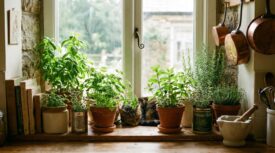
Growing fresh herbs indoors brings a burst of flavor and color into any kitchen or apartment. Whether I need basil for a quick pasta or mint for herbal tea, my own countertop garden is super handy all year long. While the idea might sound overwhelming at first, starting an indoor herb garden is easier than you might think, and it doesn’t mean you need fancy equipment or a green thumb.
Why Start an Indoor Herb Garden?
Indoor herb gardening has taken off lately, not just because it looks cool, but also because it’s practical. I can always grab a handful of fresh herbs wherever I cook. No need for last-minute store runs or dealing with wilted supermarket bunches. This trend is growing alongside a spike in interest in home cooking and healthy eating. Herbs like cilantro, chives, rosemary, and thyme pack a punch, both in taste and nutrition.
Apartment dwellers and busy people especially appreciate indoor gardening since it doesn’t require much space or effort. Even windowsills in small kitchens or living rooms can fit a mini herb garden. Plus, there’s something relaxing about tending to plants, even if I’m just watering a few pots in the morning.
The history of growing herbs indoors reaches back centuries, with cooks keeping pots of kitchen staples close at hand. What’s new today is the sheer variety and the creative growing kits and planters available, letting anyone enjoy fresh flavors year-round. Some kits even come with built-in lights or selfwatering wicks, making things easier for those just starting out.
Getting Started with Indoor Herb Gardening
Knowing what you actually need makes getting started much less stressful. Herbs are pretty forgiving, but certain basics really help guarantee healthy, happy plants. Before anything else, it’s helpful to figure out where herbs will grow in your home and what kind of light the spot gets.
Most common herbs prefer bright light, so a sunny windowsill is usually perfect. If I don’t get enough light, LED grow lights fill the gap, which makes indoor herb gardening possible even in darker apartments. Choosing the right herbs for your space and taste preferences will make the experience much more enjoyable and tailored to you.
- Pots and Containers: Start with pots that have good drainage. Small terracotta or ceramic pots work fine, but selfwatering containers are also worth checking out if you travel or forget to water sometimes.
- Potting Mix: Use a welldraining indoor potting mix. Outdoor garden soil can compact and make roots rot indoors.
- Watering Tools: Small watering cans or even a spray bottle make it easy to keep the soil moist but not soggy.
- Grow Lights: If your windows aren’t sunny enough, fullspectrum LED grow lights are a solid backup.
A Simple Guide to Starting Your Indoor Herb Garden
Getting your seeds or starter plants going is satisfying and doesn’t have to be complicated. I’ve learned a few steps that make the process smoother and boost the odds of a thriving herb garden.
- Pick Herbs You Actually Use: It saves space and ensures you’ll actually grab what you grow. I usually start with basil, parsley, cilantro, and mint. They’re all pretty easy and versatile.
- Choose the Right Location: A southfacing windowsill gets the most light in the Northern Hemisphere. If the only option is a shady corner, a simple LED grow light solves the problem.
- Start with Plants or Seeds: Seed packets are affordable and fun, but buying small starter plants from a garden center means instant gratification. Starter plants are usually less fussy for beginners.
- Don’t Overcrowd: Each herb needs its own pot or plenty of room to prevent fungus and mold. Cluster pots together for a nice look, but keep some breathing room.
- Water Properly: Herbs hate soggy roots. Poke your finger into the soil; if the top inch feels dry, it’s time to water lightly.
Following these steps sets up a healthy, vibrant herb garden that keeps producing for months. I also like to label each pot, so I don’t mix up similar looking herbs like cilantro and parsley.
Things to Consider Before Planting
Growing herbs indoors comes with a few common challenges. Some small changes in routine can keep things running smoothly:
- Light Needs: Most herbs want at least 6 hours of sunlight each day. Not every apartment has the right light, so grow lights might be worth the small investment.
- Temperature Fluctuations: Herbs like a pretty consistent range; generally between 65°F and 75°F (18°C to 24°C). Cold drafts or direct heater blasts can stress or dry them out.
- Humidity: Indoor air can get really dry, especially in winter. A small tray with pebbles and water under the pots or occasional misting keeps leaves from turning crispy.
- Overwatering and Underwatering: The balance is important. Too much water leads to root rot, while too little can kill delicate seedlings. Regularly checking soil moisture by touch gives you a pretty good read on when to water.
Light and Location
Sunlight directly impacts herb growth and flavor. Basil, oregano, and rosemary crave tons of sun, while mint and chives are fine with partial sun. I often rotate my pots so every side of the plant gets equal sunlight, preventing leaning or weak growth.
Soil and Potting Mix
A lightweight, sterile potting mix keeps roots wellaerated and avoids the pests that sometimes lurk in outdoor dirt. If your plants look droopy or yellow, poor soil could be the culprit.
Container Choices
Picking pots with good drainage holes is super important. I’ve tried decorative, nondraining planters before, but nothing beats a simple terracotta pot with a saucer underneath for easy cleanup and healthier roots.
Water and Drainage
Roots need air as well as water. Drainage holes keep the soil from staying too soggy, which indoor plants appreciate, especially if you’re new to watering routines.
Don’t stress if things aren’t perfect at first. Herbs bounce back from minor mistakes, and adjusting over time keeps your plants happy. If a plant seems droopy or the leaves have yellow spots, check the roots for moisture and look for pests or fungus before doing any major fixes.
Tips and Tricks for Healthy Herbs Indoors
Once you nail the basics, a few tweaks can make the difference for tastier, bushier herbs:
Pinch and Prune Regularly: Regularly pinching off the tops of plants like basil encourages bushier growth. I try to remove flowers as they appear, since blooming can make the flavor less intense.
Feed Your Herbs: Indoor pots don’t have access to new nutrients, so a halfstrength liquid fertilizer every two weeks keeps leaves green and lush. Organic or fishbased options are gentle and work well.
Rotate Pots for Even Growth: Turning herb pots every couple of days prevents them from leaning toward the light and encourages fuller plants all around.
Deal with Pests Early: Sometimes tiny bugs hitch a ride indoors. A light spray of water with a touch of dish soap quickly handles aphids and spider mites. Washing leaves in the sink is also pretty effective.
Allow Air Circulation: Good airflow prevents mildew and mold. Space pots a couple inches apart, or use a small fan nearby (set on low) to keep fresh air moving, especially if your kitchen gets stuffy.
These small routines build up over time, leading to an indoor herb garden that keeps producing flavorful sprigs whenever you need them.
Best Starter Herbs for Beginner Indoor Gardeners
Some herbs are trickier than others, but a handful really thrive indoors with little effort:
- Basil: Great for beginners, as long as you give it lots of light. Pinch and harvest regularly to keep it from flowering.
- Chives: Super hardy and bounce back quickly after each harvest. Perfect for eggs and salads.
- Parsley: Both curly and flatleaf types grow well from seeds or as small plants. They prefer a little shade but do fine in decent light.
- Mint: Mint grows fast and furious, sometimes too much! Best kept in its own pot to prevent roots from taking over everything nearby.
- Thyme and Oregano: Woody herbs like these can survive slightly drier soil and love bright light. Perfect for Italian and Mediterranean dishes.
Other easy options are dill, sage, and lemon balm, which can also adapt to indoor life and give nice flavors for a variety of recipes.
Frequently Asked Questions
People starting out with indoor herb gardens often run into the same questions, so here’s some quick info that I’ve found useful:
How long do herbs take to grow indoors?
Most herbs sprout in 7 to 14 days, and you can usually start snipping leaves after 3 to 4 weeks. Some woody herbs like rosemary may take longer, but leafy options grow pretty fast.
Can herbs survive in low light?
Some herbs, like mint and chives, tolerate moderate shade. For better growth and flavor, I use a grow light when the spot is darker than ideal. Even cheap plugin LEDs make a difference.
Is it better to start from seeds or starter plants?
Seeds are fun and budgetfriendly, but starter plants save time and give you a head start. I like a mix of both, so I’m always experimenting and learning new tricks.
Do indoor herbs attract bugs?
While it’s rare, you might still stumble upon aphids, fungus gnats, or spider mites. Keeping leaves clean, not overwatering, and dealing with any pests early makes a difference. A weekly visual check goes a long way to keeping plants healthy.
Final Thoughts on Indoor Herb Gardening
Growing herbs indoors is a great way to enjoy fresh flavors without giving up space or spending a lot. Once you get the basics down, you’ll always have parsley for garnish, mint for tea, or basil for your next pizza. Even a handful of thriving pots bring a little nature inside and boost my cooking game every single day. Remember, the more you get into the routine, the easier it feels, and soon you’ll look forward to picking your own herbs for every meal.