
Dealing with seasonal pests brings a bunch of surprises every year, no matter how well I try to prepare. Warmer months tend to wake up bugs I haven’t seen since last season, and the colder ones can drive creatures indoors looking for comfort. I pick up on different patterns each season and have snagged some reliable ways to stay on top of pest control before things get out of hand. Here’s how I handle those seasonal pest struggles and what works for me to keep a home pestfree through all kinds of weather shifts.
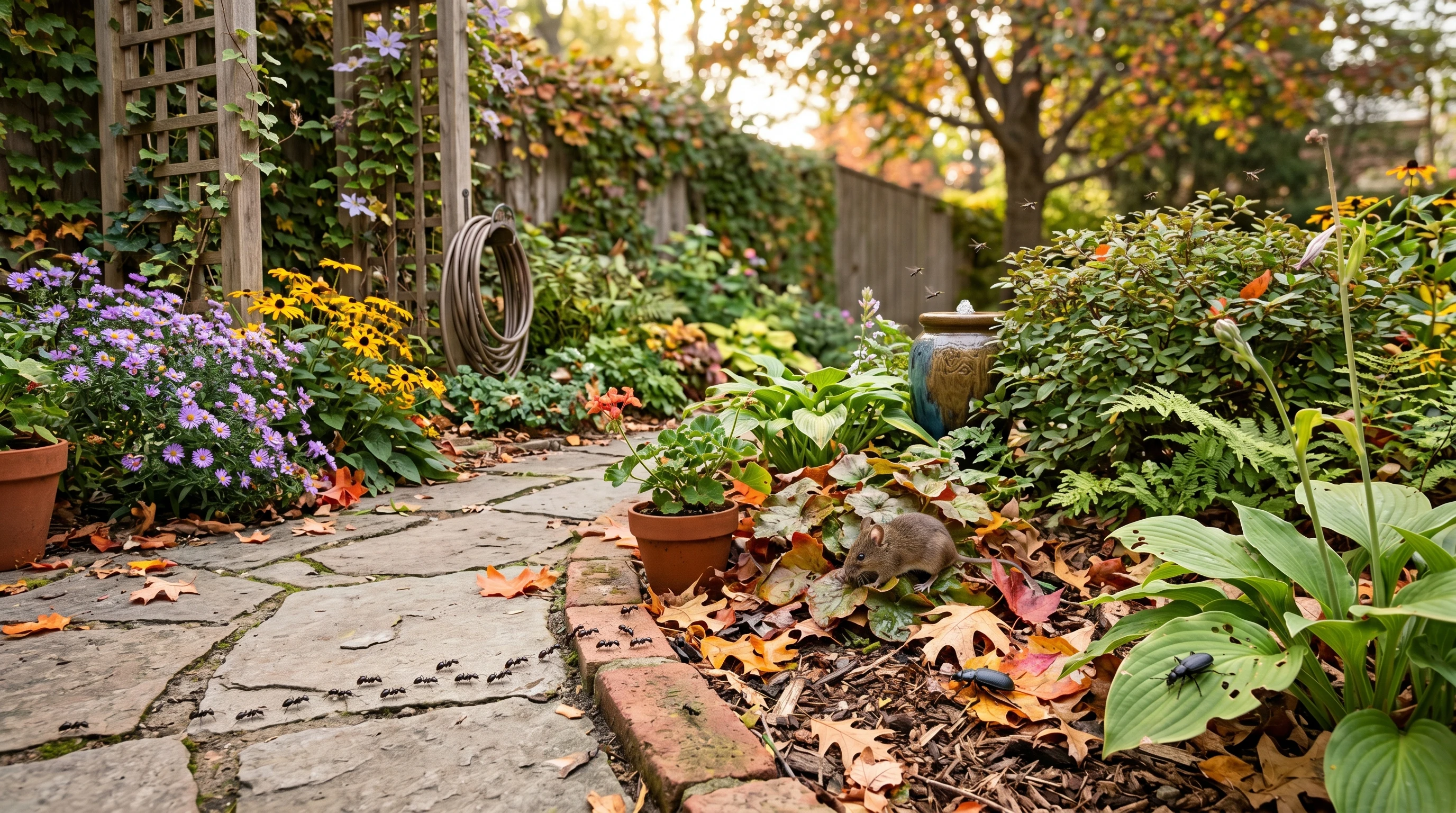
Why Seasonal Pests Come and Go
I notice that pests aren’t just random nuisances; they each have their preferred times to show up, usually tied to the weather or changes in humidity and temperature. For example, ants love spring rains, while rodents show up when temperatures drop. Understanding why this happens helps me get out in front of pest issues instead of reacting after an infestation takes hold.
Many bugs and critters go dormant or slow down in the winter. As soon as things heat up in spring, they wake up and start looking for food, water, and cozy places to breed. It’s like triggering an “on” switch for the bug world, including ants, termites, and mosquitoes. When fall and winter roll around, I see more rodents and spiders sneaking inside, riding out the cold in warmth and comfort. Tracking these natural patterns helps me spot trouble areas before they turn into bigger problems.
Most Common Pests by Season (And How I Stay Ahead)
There’s a seasonal cycle to pest issues, but that makes them somewhat predictable. Here’s a breakdown I use as a guide throughout the year:
- Spring: Ants, termites, wasps, and mosquitoes start popping up
- Summer: Mosquitoes, flies, ticks, and stinging insects hit full force
- Fall: Rodents and spiders search for ways inside, stink bugs and boxelder bugs gather around the house
- Winter: Mice and rats are the main invaders, often slipping indoors
Each season, I do a quick check around my place to look for any holes, cracks, or gaps that need sealing. Keeping screens in good condition pays off big time, especially for keeping out flies and mosquitoes in summer. In fall, I declutter the garage and basement to cut down hiding places for mice and spiders. Prevention keeps things manageable rather than having to deal with a fullblown invasion.
How I Tackle Infestations Quickly
If pests do get inside or overrun the yard, fast action keeps things from spiraling. I’ve learned a combo of cleaning, targeted treatments, and smart habits goes a long way. Here are some steps I stick with:
- Clean Up Right Away: I don’t leave food out, wipe crumbs off counters, and make sure garbage lids are tight. This makes my home less appealing to ants, roaches, and rodents.
- Fix Water Leaks: Moisture attracts all sorts of bugs, especially silverfish and roaches. Regularly checking under sinks and around laundry areas helps avoid this headache.
- Seal Entry Points: I plug up even the smallest cracks around windows, doors, and the foundation as soon as I spot them.
- Use Targeted Treatments: For minor ant or wasp problems, I try bait traps or spray when I see activity. For larger problems or certain pests (like termites or bed bugs), I don’t hesitate to call a pro.
- Yard Maintenance: I keep grass trimmed, remove standing water, and rake leaves so pests aren’t drawn into the yard in the first place.
Quick action in the first day or two is usually enough for small outbreaks. Ignoring it leads to way bigger problems, so I make it part of my regular home routine, not just an emergency fix.
Challenges I Run Into With Seasonal Pests
Even when I feel on top of things, I run into a few challenges that like to throw a wrench in my plans. One of the trickiest is unpredictable weather; an unusually warm winter can mean ants never truly go dormant, or a super rainy spring sparks mosquito explosions. Here are some other common hurdles and how I try to work through them:
- Hidden Nesting Sites: Sometimes, nests or nests are out of sight, like behind walls or under decks. I keep an ear out for odd noises and do occasional checks for droppings or sawdust.
- Pesticide Resistance: Some pests, especially roaches, build up resistance to common storebought sprays. Swapping products and following the instructions exactly helps avoid this.
- Pets and Kids: I always opt for pet and kid safe methods or products in areas they access, checking labels carefully before using any chemicals.
- LongTerm Infestations: If a pest issue just won’t go away, I admit defeat early and bring in an expert. Some infestations can only really be handled by professionals, especially with termites or recurring rodents.
Weather Changes and Pest Surges
Switches in weather hit the pest world hard, changing their patterns year to year. A drought can push insects indoors for moisture, while a mild winter can mean larger populations in the spring. I keep a seasonal checklist so unexpected weather doesn’t catch me off guard, marking tasks for extra early yard work or sealing before the first cold snap.
Keeping Track of What Works
I keep a loose record of what I try each season; what products I use, any pro treatments, even basic things like sealing cracks. This helps me see patterns that keep coming back and the fixes that make the most difference. Over a few years, I’ve built up a pretty good routine, which means fewer lastminute panics every season.
Pro Tips to Get a Head Start on Pests YearRound
Some tricks I’ve picked up really up my game, especially for busy times of year:
Schedule Regular Inspections: Even if nothing looks wrong, inspecting window frames, doors, basements, and attics twice a year helps catch problems early.
Rotate Treatments: Switching up products prevents resistance. I swap out bait types and spray brands instead of using the same ones every season.
Block Outdoor Access: For summer pests like mosquitoes, I use fans in sitting areas since most flying insects dislike strong airflow. In fall, I doublecheck weather stripping before the first frost.
Natural Solutions: Sometimes simple, natural solutions help as a first line of defense. I’ve used diatomaceous earth along baseboards for crawling insects, and essential oils like peppermint repel spiders and ants. When used consistently, they reduce how often I need stronger chemicals.
Stay Ahead With Local Resources: Local extension offices or pest control sites offer region specific tips about what pests to expect and when. These guides help me predict exactly what to watch for in my part of the country.
The Basics: Everyday Habits That Make a Huge Difference
Making a few simple habits part of my weekly routine keeps pests guessing and my home a lot less attractive to them:
- Sweep and Vacuum Regularly: Especially during peak pest seasons
- Store Food Securely: Airtight containers make it harder for pantry pests or rodents to find a meal
- Garbage Management: Trash with strong odors goes outside as soon as possible
- Yard Debris Pickup: Leaves, sticks, and other clutter outside are perfect hiding spots
- Stack Firewood Away: At least 20 feet from my home’s exterior keeps ants and other bugs at a distance
These aren’t glamorous chores, but staying on top of them means fewer surprises during peak pest months.
Frequently Asked Questions
Here are a few questions I hear from neighbors and friends about tackling seasonal pests at home:
Question: What should I do if I keep getting ants every spring?
Answer: Focus on sealing entry points, keeping counters crumb free, and using bait traps. Sometimes, trimming vegetation away from the house helps, too. If ants keep coming back year after year, there may be a nest nearby that needs professional attention.
Question: Are there pest control solutions safe for kids and pets?
Answer: Plenty of products are labeled as safe for use around kids and pets, like certain bait stations or natural sprays. Always follow product labels and, when in doubt, check with your vet or pediatrician about common ingredients.
Question: How often should I treat for common pests like mosquitoes?
Answer: In peak summer, treating the yard every two or three weeks can make a big difference. Removing standing water, using outdoor fans, and planting mosquitorepelling plants all add up for better control.
Ready to Take On Seasonal Pests?
With a bit of planning and a steady routine, dealing with seasonal pests feels less like a chore and more like a regular part of home care. By tackling little issues quickly, knowing when to get extra help, and adjusting my strategy every season, I keep pest headaches to a minimum. If there’s one thing I’ve learned, it’s that consistency goes a long way for pest control, no matter what the weather’s doing outside.