
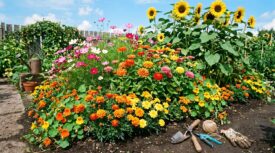
Getting into gardening is one of the most satisfying hobbies around. For new gardeners, nothing beats that feeling of seeing the first splash of color in your outdoor space. Flowers are the perfect starting point; they add beauty, attract pollinators, and don’t require a lot of technical know-how to thrive. Picking the right varieties can save you a ton of headaches and make your garden experience enjoyable, right from day one. I’m going to walk you through five flowers that are easy to grow, dependable, and super rewarding for beginners.
Why Growing Flowers Is a Great Choice for Beginners
Flowers bring instant gratification to a garden. Many of them sprout quickly, bloom within a season, and require very little specialized knowledge or tools. Seeing real results early encourages you to keep going. Starting with the right flowers is one way to avoid frustration, especially if you’re working with limited time, space, or budget.
On top of adding a pop of color, flowers play an important role in attracting bees and butterflies. These pollinators are super important for a healthy garden ecosystem, and growing easy flowers makes your garden a magnet for them. Choosing varieties that match your local climate and sun patterns pays off by making gardening feel less like a chore and more like a relaxing escape. Plus, as you gain a bit more confidence, you’ll find yourself wanting to experiment with even more types and combinations, creating a truly personal garden space.
Understanding What Makes a Flower Easy to Grow
Not all flowers need the same level of care. When I talk about easy to grow flowers, I’m thinking about plants that can handle a bit of neglect, adapt to different soils, and don’t need fussy pruning. Most of them grow from seed, bounce back from mistakes, and reward you with an explosion of color even if you forget to water now and then.
- Low Maintenance: Hardy flowers thrive with just the basics: decent soil, regular sun, and a drink once in a while.
- Fast Growth: Many beginner friendly flowers grow quickly from seed to bloom, perfect if you want to enjoy your garden soon.
- Disease Resistance: Some flowers resist common garden problems so you don’t have to fuss with pesticides right away.
Picking a spot with the right amount of sunlight and prepping the soil goes a long way, but even in average conditions, these flowers are made to succeed. If you’re feeling uncertain, remember that trying and keeping notes helps you spot what works best in your particular space.
The Top 5 Easy to Grow Flowers for New Gardeners
- Marigolds
Marigolds are known for their cheerful orange, yellow, and gold tones. I find them practically foolproof: scatter the seeds, cover lightly with soil, and they pop up almost anywhere. They’re super tough, handling heat and poor soil, and their scent even keeps away some pesky bugs like aphids. Marigolds bloom from early summer to frost, making them one of the longest lasting choices. They work in garden beds, borders, and pots and are also a fun way to set up a pollinator patch with kids.
- Zinnias
Zinnias are ultimate low fuss flowers. They love the sun, take little maintenance, and put out vibrant colors: pinks, reds, oranges, and purples. The more you cut them, the more blooms you get. I always recommend direct seeding them in the garden after the last frost. Zinnias don’t mind hot weather and they draw in butterflies. They’re a great option if you want armfuls of cut flowers for the house and make for fantastic coloring with other summer favorites.
- Cosmos
Cosmos are perfect if you like feathery, delicate foliage and daisy like blooms. Toss in the seeds, rake them in, and walk away; cosmos typically sprout easily and bloom for months. They don’t care much about the quality of your soil and need little extra watering once they’re established. Cosmos can grow quite tall, so they’re great for adding height and movement to your garden. Bees and butterflies love them, too, and they can fill gaps in a new border as you figure out your favorite layout.
- Sunflowers
Sunflowers are showstoppers with big, sunny faces, and they’re much easier to grow than they look. Just plant seeds directly in the ground after frost, give them sun and some water, and watch them shoot up; sometimes over six feet tall! I really like how sunflowers double as a fun garden project with kids. Apart from being pretty, they also provide seeds you can eat or leave out for birds, making your garden even more wildlife friendly. Watching sunflowers turn toward the sun every day is a small joy that’ll keep you hooked on gardening.
- Nasturtiums
Nasturtiums are a clever pick because they give you both colorful flowers and edible leaves and blossoms. These guys thrive in poor soils; too much fertilizer and you’ll get leaves instead of blooms. Their trailing habit looks great spilling over pots or climbing up trellises. I sow nasturtium seeds directly where I want them, keep them watered until they sprout, and then let them take off. Their peppery taste is a bonus for salads, too. If you want to try vertical gardening or edible landscaping, nasturtiums are an excellent way to get into it.
How to Plant and Care for These Easy Flowers
Planting flowers doesn’t have to be complicated. Getting started with these varieties usually means sowing seeds right into the ground or into pots and watering regularly until the plants get established. Gardening with friends or family can also make it easier and more enjoyable, especially if you help each other track down seeds or supplies you’ve never used before.
- Start with Loose, Well Drained Soil: Use a hand trowel or small spade to break up the ground or fill pots with potting mix. Remove big rocks or chunks so roots can grow easily.
- Sow Seeds at the Right Depth: Follow the directions on the seed packet. A good rule of thumb is to plant seeds about twice as deep as they are wide.
- Water Gently at First: Use a watering can with a rose (that’s the sprinkle head). Keep the soil moist but not soggy until you see seedlings appear.
- Give Them Sun: Most of these flowers want at least 6 hours of sunlight daily. If your space is shady, try to pick the brightest spot you have.
- Thin Seedlings: Once the seedlings are a couple inches tall, thin them (pull some out) to avoid overcrowding. This helps the rest grow bigger and bloom better.
Once the plants are up and growing, I usually cut back on watering a bit and just check the soil with my finger. If it’s dry an inch down, it’s time to water again. No fancy fertilizers needed for these tough flowers; compost or all purpose plant food once a month is plenty. Keen observation is your best friend at this stage and helps you pick up on any issues that might need a quick fix.
Troubleshooting: Common Beginner Mistakes and Simple Fixes
- Seeds Not Sprouting? Make sure the soil’s not too cold or wet; most seeds need warmer soil (at least 60°F). Planting too deep can also be a problem. I usually start again with fresh seeds if the weather’s still right.
- Leggy, Spindly Plants? Not enough sunlight. Move pots to a brighter spot, or consider trimming back nearby plants that block the sun.
- Leaves with Spots or Holes? Sometimes pests show up. Marigolds help repel some, but I also check under leaves for bugs and use a gentle spray of water to knock them off. Avoid overwatering, since soggy conditions bring on fungal problems.
Getting to know your plants takes a little patience, and making mistakes is completely normal. The good news is that these easy flowers bounce back from a lot of problems if you catch issues early. As you gain experience, you’ll spot patterns that make future troubleshooting much easier.
Extra Tips for Even Better Results
Mixing Heights and Colors: Combining tall sunflowers or cosmos with lowgrowing nasturtiums or marigolds makes for a more interesting garden. I stagger planting so there’s always something in bloom, and even in small spaces you can play around to create a layered look.
Deadhead Spent Blooms: Snipping off dead flowers encourages more blooms and keeps things looking tidy. Consistent deadheading also keeps your plants healthy by letting them focus their energy on fresh growth.
Keep an Eye on Weather: Early frosts or heat waves can be tough on young plants. Having row covers or a spot to move pots out of the wind can save your seedlings. A little weatherproofing planning at the start of the season can really give your garden a boost later on.
Companion Planting: Plant flowers near veggies to help attract pollinators and keep pests down naturally. Marigolds are famous for this, and even small pots near your tomatoes can have a positive effect.
Some Frequently Asked Questions
What’s the easiest flower for absolute beginners?
Marigolds are about as foolproof as it gets. They tolerate a lot, bloom all season, and even work in pots and tough ground.
Can I grow these flowers on a balcony or in containers?
Definitely. Zinnias, marigolds, and nasturtiums do great in pots. Just make sure there’s good drainage and enough sunlight each day. If your balcony gets hot, remember to water more frequently because pots dry out a bit faster.
When should I plant these flowers?
Most of these flowers are best sown after your last frost date in spring. Check your local weather or ask at a nursery if you’re not sure when that is in your area. Planting too early in cold soil can delay germination, so patience pays off.
Do I need to fertilize beginner flowers?
Not really. Most easy blooms will do well in average garden soil. If you want, use a slow release fertilizer at planting time or a dash of compost each month. Too much feeding can actually lead to more leaves and fewer flowers, so less is often more with these varieties.
Why I Recommend These Flowers for New Gardeners
Marigolds, zinnias, cosmos, sunflowers, and nasturtiums bring a ton of positives to the table for first timers. They’re forgiving, they look great, and they don’t need advanced knowledge or a big investment. Growing them has taught me a lot about how plants respond to care, weather, and my own gardening style.
Tending to these flowers builds confidence, brings vivid color to your space, and kickstarts a love of gardening that sticks. Getting that first bloom is a feeling worth aiming for, and these beginner flowers make it super likely you’ll enjoy it this season. Over time, you’ll probably want to try all sorts of plants, but these flowers offer a fantastic gateway into a hobby that grows with you, year after year.