
If you’ve ever wrapped a tomato plant during those first brisk days of fall or bundled up fragile seedlings for unpredictable spring weather, you already know just how valuable garden covers are. Extending your growing season with covers isn’t only a trick for big farms—home gardeners can definitely get a boost. Covers keep plants cozy when temps drop and can open up a whole new round of harvests. Here’s my practical guide for making more of your garden, covering everything from the earliest peas to those last tomatoes of autumn.
Why Extend Your Growing Season?
Getting a longer season isn’t just about squeezing out a few extra veggies. It’s about enjoying fresher food, having more harvests, and a bit less stress watching the weather. In many climates, the usual frost dates cut things pretty short for certain crops. With covers, you can let cool-loving crops get started earlier in spring or keep tomatoes producing well into fall. It’s worth noting that market gardeners, backyard hobbyists, and even folks growing a handful of herbs on their patios can all benefit.
Besides giving a boost against cold snaps, covers shield tender starts from wind and pests, stabilizing those unpredictable shoulder seasons. The USDA notes that simple season extension tricks like row covers and low tunnels are widely used, even on commercial farms, because they’re practical and don’t break the bank. From my own garden, I can tell you that harvesting salad greens in November always feels like a small victory.
Types of Garden Covers You Can Use
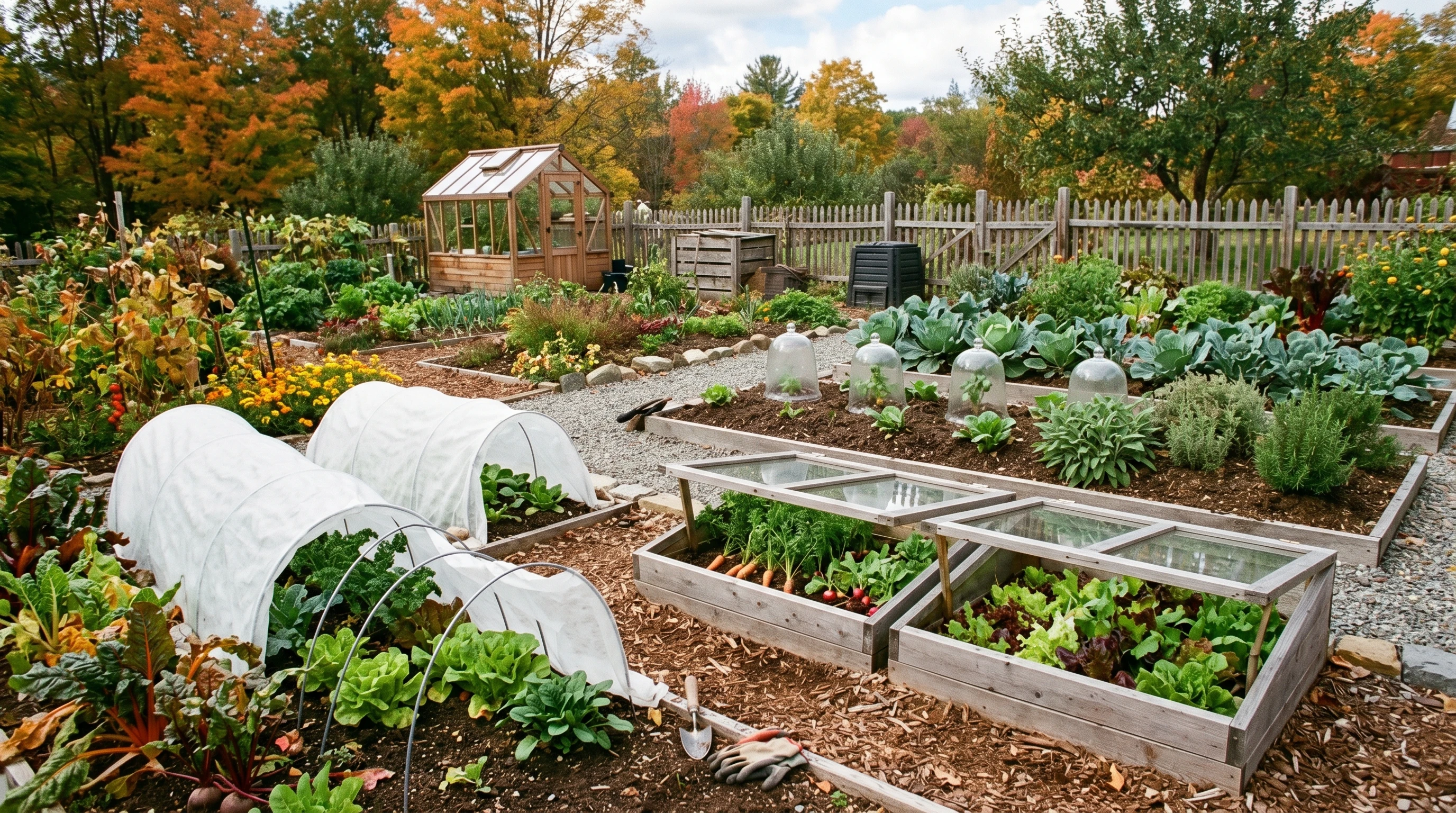
There’s a cover out there for pretty much every situation. Some are DIYfriendly, some take a bit more investment, but they all work by creating a filter between your plants and whatever Mother Nature dishes out. Let’s break down the main options:
- Row Covers (Floating Row Covers): Lightweight fabric (like spunbonded polyester) drapes right over crops, allowing water, air, and light through but blocking frost and plenty of pests.
- Low Tunnels: Mini greenhouses created by stretching plastic or fabric over hoops; they warm the air a few degrees, which can really get growth going.
- Cold Frames: Simple boxes with a clear lid (often reused windows) that trap heat. They’re classics for hardening off seedlings too.
- Cloches: Individual covers for single plants—anything from glass domes to cut-off milk jugs. Awesome for protecting really tender or slowgrowing crops.
- Greenhouses and High Tunnels: These are the big guns, letting you garden nearly all year long. Even a small greenhouse can keep greens going through winter in many places.
If you’re not sure what to pick, start with a row cover. They fit most gardens, aren’t too pricey, and can be used again and again.
How Covers Really Work
The science here is straightforward: covers trap the heat rising from the earth or soaking up sunlight, while also limiting how much cold, wind, or harsh sun your plants have to deal with. Even a light row cover bumps up protection by 2 to 4°F, often enough to save crops from mild overnight chills. Thicker covers or a solid cold frame can keep it even warmer.
Covers also tone down rapid swings in temperature, keeping plants from getting shocked by hot days and frosty nights in those tricky shoulder seasons. Where I garden, I’ve seen spinach keep going under deep snow just because it was cozy inside a plastic tunnel—enough warmth collected to outlast the chill until sun broke through again.
Getting Started: Setting Up Covers in Your Own Garden
You don’t have to go all out right from the start. Most home gardeners begin gradually, maybe by covering a few tomato plants or a bed of greens. Here’s how to get going without headaches:
- Pick Your Crops: Coldtender veggies like tomatoes, peppers, and basil want the most protection; leafy greens, radishes, and spinach happily take an early start with a little help.
- Choose a Cover Type: Think about your garden’s setup. Raised beds? Row cover is usually easiest. Only got a few pots or small space? Cold frames or cloches over pots are great.
- Gather Supplies: Grab your fabric (or plastic), hoops for tunnels (PVC pipe is cheap), and weights or clips (sandbags or rocks work well). For cold frames and cloches, old windows or plastic jugs will do the trick.
- Install Properly: Loose is better than tight—the plants need room. Secure the edges to stop wind from lifting things, and anchor tunnel hoops and sides firmly.
- Vent and Check In: Let the heat out on warm days, or you risk “cooking” your crops. Get in the habit of looking in for issues like moisture or cheeky pests.
With just these steps, you’ll be up and running for a much longer harvest season.
Common Challenges and Easy Solutions
Extending the season usually goes smoothly, but there are a few common hiccups. Here’s what I’ve learned, plus solutions to make your experience easier:
- Overheating: Sun + cover = quick temperature jumps. Open up or remove as the day heats up.
- Condensation: Moisture under plastic causes mold or fungus. Ventilate frequently and watch out for clumps of condensation.
- Wind Damage: Covers that aren’t weighed down will blow away or rip. Use heavy items along the sides and anchor hoops well, especially if it’s breezy.
- Pests Inside: Some bugs sneak in and get stuck. Doublecheck under covers every few days for aphids and slugs hiding out.
Overheating
Even if the outside air feels cool, it can be much warmer under plastic tunnels. I always peek in midmorning—if it’s a sunny day, I open up the sides for airflow. Wilting plants are a signal they need some relief.
Condensation and Humidity
Plastic covers get water droplets on the inside all the time. Good airflow solves most issues: open the ends of low tunnels or crack the lid of your cold frame. Lightweight fabrics don’t have this problem since they breathe well.
Wind Woes
Strong gusts ruin covers fast. After a storm last year, I started using bricks and sandbags to lock down the edges and staked all my PVC. Even then, it’s worth doublechecking after each rough patch of weather.
Pests Trapped Inside
While covers block out cabbage moths, if aphids or slugs slide under, they can become uninvited guests. I lift up the cover on each bed twice a week to look for sneaky bugs, especially around tender starts.
Advanced Tips for Season Extension Pros
Once you have some practice with covers, you’ll want to get into more tricks for maximizing your growing power. Here are a few advanced ideas that have worked in my own garden and for other serious growers:
- Double Layering: Put a fabric layer on top of plastic for extra chilly nights. This adds serious protection with minimal extra effort.
- Succession Planting: Using covers means you can start new crops sooner and harvest in waves, never running out of fresh veggies.
- DIY Upgrades: Turn old windows into cold frames, recycle plastic bottles as cloches, and make cheap hoops from PVC to keep costs down and creativity up.
Experiment with what you have, and you’ll stumble upon new ways to stretch your personal harvest calendar.
What Growers Should Think About Before Getting Started
Before you go big covering your whole plot, pause and consider your specific site and goals. Ask questions like:
- Are you mainly trying to dodge late frosts in spring, or keep going through early autumn chills?
- Does your garden get slammed by wind, or bake in all-day sun?
- Do you have the time to open or close covers depending on conditions?
- Where will you store covers midseason, or once summer hits?
Start off by covering a small zone first, as a pilot test. This trial run lets you sort out what your site and crops respond to best.
Frequently Asked Questions: Covers in the Garden
People often have these questions when thinking of using covers for a longer growing season:
How long can I keep covers on my plants?
It depends on the plant and your weather. Hardy greens or root crops tolerate being covered for weeks, while tender summer crops might need frequent uncovering as days warm. Keep tabs on both temperature and moisture.
Do covers really help when it freezes?
Yes, often by a several-degree difference. Row covers and tunnels can mean the gap between frostbite and healthy leaves—especially on those edge-of-season nights. For severe cold, double up with layers or thicker material.
Can I water my plants with covers on?
Lightweight fabric lets rain through just fine. With plastic tunnels, open sides or add water at the base. Always check that the soil isn’t drying out beneath the cover.
Wrapping Up
Using covers to squeeze more out of your growing season isn’t just for experienced green thumbs or folks with giant greenhouses. Whether you cover a couple of raised beds, pepper a patio with cloches, or get ambitious with tunnels, protective covers can help you track down more harvests over a longer stretch of the year. Every backyard is unique. So mix and match methods, experiment a little, and appreciate the small wins and tasty surprises that come from pushing your own gardening season further!