Knowing what to plant and when is one of those skills that takes gardening from just a hobby to something super rewarding year after year. Weather switches, local climate quirks, and different growing zones all change how you should approach your garden. I’m sharing a seasonal planting guide that works for just about every climate, whether you deal with harsh winters, dry deserts, or muggy summers. No matter where you’re growing, this guide will help set you up for a bountiful season.
Understanding Your Climate Zone
Planting success starts with understanding your climate zone. The USDA Plant Hardiness Zone Map is a pretty standard tool in the U.S., and most countries have a similar resource. These maps split regions based on their lowest average winter temperatures. Knowing your zone tells you which plants can survive your winters and when the risk of frost ends. If you’re somewhere tropical, you might be able to grow year round, while northern regions need a more pointed plan for spring, summer, and fall.
It’s not just about frost dates though. Humidity, droughts, and even oddly mild winters can swing planting dates. Local extension offices and regional gardening boards usually offer calendars that pair perfectly with your local climate. Adjusting the basics and listening to gardeners in your area can pay off big time. If you want to dig into the unique microclimate of your yard, try keeping a weather journal. You can track when frost hits your specific spot, when snow melts, and even when shade covers key parts of your garden. This extra step helps you fine-tune plant timing in ways even a zone map can’t match.
Spring Planting: Getting Started
Spring is easily the most popular season for planting, and it’s usually when folks get the itch to dig in the dirt. As soon as the soil can be worked (meaning it’s thawed and not too soggy), it’s time to get started, no matter which climate you’re working with. Take some time to check out local events or seed swaps, since these can help you stumble upon plant varieties that are proven winners in your region.
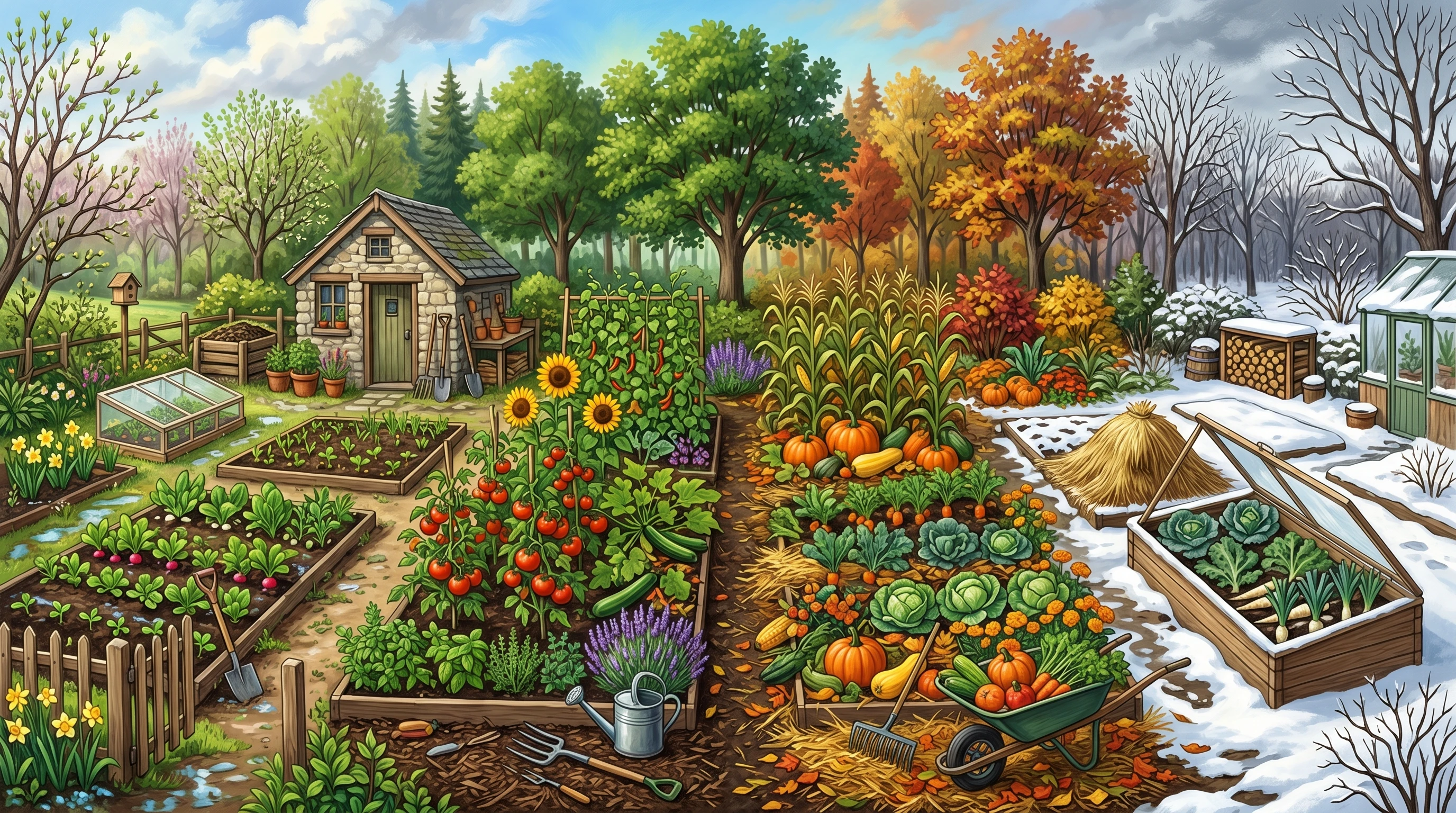
- Coolseason Crops: These are veggies like lettuce, peas, spinach, broccoli, and carrots. They can all take a little chill. In zones 3-6, these go in as soon as the last frost passes. In zones 7-10, coolseason crops are started even earlier, often in late winter.
- Warmseason Veggies: Tomatoes, peppers, corn, and squash need warmth, so you’ll want to wait until nighttime stays above about 50°F (10°C). Some people start these indoors to get a jump on the season, then move them outside after the frost risk is gone.
A soil thermometer is pretty handy here. Seeds like beans and corn don’t sprout well in chilly dirt, while spinach and lettuce can even be planted in snow-melted soil. Early spring is also a good moment to toss in some flower seeds. Things like calendula and nasturtium not only add color but welcome pollinators too, giving your veggies a boost right from the start.
Summer Planting: Keeping Up Momentum
Just because spring is over doesn’t mean planting stops. Summer is prime time for succession planting, tucking in new rounds of quickgrowing crops like radishes, beans, and salad greens every few weeks to keep the harvest rolling. You might also consider adding herbs such as basil, cilantro, or chives. These are easy to sow through warm months for a steady fresh supply.
- Heat Lovers: Melons, okra, sweet potatoes, and cucumbers love the summer warmth, so plant these after all frost danger has passed and the soil feels warm to the touch. In hot climates, gardeners might plant beans or corn in the summer, but protect them from midday scorch using shade cloth or mulching.
- Midseason Crops: Later rounds of squash, zucchini, bush beans, or even more carrots can be sown for late summer harvest. These keep your garden productive even after spring vegetables start to slow down.
Don’t forget about watering. Hot, dry spells can stress out young plants. Mulch locks in moisture and using soaker hoses or morning watering helps avoid fungal problems. If bugs make a move on your crops, try companion planting—marigolds and nasturtium can help repel a bunch of common pests.
Fall Planting: Maximizing the Growing Calendar
Fall can easily be the secret sauce to bigger harvests. Once high summer heat starts dropping, you can actually plant another round of coolseason crops. Many gardeners are surprised at just how much you can pull from a fall garden. Give a try to Asian greens like pak choi or tatsoi, which grow fast and love cooler fall temps.
- Leafy Greens: Think kale, arugula, lettuce, and Swiss chard. These thrive as temperatures ease in autumn. In colder regions, start these in late summer so they finish before hard freezes. In milder climates, planting directly in early fall provides salad greens for months.
- Roots and Brassicas: Beets, turnips, cabbage, and broccoli all do great in cooler temps and can even taste sweeter after a light frost. Start indoors or buy starts for transplants if you’re running short on time before frost.
- Garlic and Onions: In regions with cold winters, plant garlic and overwintering onions in the fall for bigger, better bulbs the next summer.
Pay attention to your area’s average first frost date, and count back the days to maturity on your seed packets so veggies are ready to harvest in time. A cold frame or simple plastic tunnel can keep your fall garden chugging along even after crisp nights appear.
Winter Planting: Year Round Options
Winter doesn’t mean you have to pack away your tools completely. Depending on your climate, you might be able to plant quite a bit—especially if you have some seasonextending gear like a cold frame or greenhouse.
- In Mild Climates (Zones 8-11): Growers can plant peas, lettuce, mustard greens, and carrots right through the winter. These areas rarely see hard freezes, so growth just slows instead of stopping.
- Using Cold Frames and Row Covers: Even in colder spots, gardeners can stretch their harvest with unheated hoop houses, row covers, or basic cold frames. These little microclimates keep frostsensitive greens and herbs thriving months longer.
- Garlic and Shallots: In chilly zones, these are typically tucked in before the ground freezes. The crops hibernate over winter and burst forth in spring.
Winter is also prime time for planning. This is when I like to pore over seed catalogs and layout my crop rotations and wish list for next season. Don’t forget to clean and sharpen your tools, organize your seed stash, and check in with any local gardening groups—sharing ideas and tips this time of year helps you show up ready when spring comes around again.
Big Climate Challenges and Simple Solutions
No two gardens are alike, and every climate throws some curveballs. Here are a few common regional issues and tips I’ve found really useful:
- Drought and Heat: Mulch is a gardener’s friend, locking in soil moisture and keeping soil temperatures steady. Drip irrigation can help get water exactly where it’s needed. Go for heat-tolerant and droughtadapted crops like okra, blackeyed peas, and amaranth. Some folks also set up rain barrels in rainy seasons, making use of every drop later in dry months.
- Short Growing Seasons: If you only have a few frostfree months, focus on fastmaturing varieties and transplants. Use raised beds or black mulch to warm soil faster. Floating row covers let you plant earlier in spring and keep the garden growing longer into fall. Try quick crops like radishes or salad greens to really make the most of every week.
- Humidity and Rain: In wet climates, good drainage is really important. Choose diseaseresistant varieties and keep plants spaced out for good airflow to cut down on mildew and fungal issues. Building simple raised mounds or rows can keep roots above standing water after storms.
Tuning into what works in your region often comes with trial and error, but these tricks can help make gardening in tough conditions a whole lot easier. Joining a gardening hotline or online forum is a great way to learn from people facing the same challenges—sometimes, their hacks might just be what you need.
Frequently Asked Questions
Some questions pop up a lot when it comes to seasonal planting, so I’ll clear up a few here:
How do I know my last and first frost dates?
These are usually listed on regional gardening websites, seed catalogs, or at your local nursery. They’re super useful for timing your plantings and avoiding frost-killed seedlings. If you want to dig into your specific microclimate, ask longtime gardeners nearby; experience is often the best local garden guide.
Can I reuse garden soil each season?
Yes, but top it up with fresh compost or organic matter every year. Rotating crops also helps prevent soilborne diseases and pests from building up. Adding cover crops during off seasons can refresh soil and keep it productive.
What are some easy crops for beginners?
Radishes, lettuce, bush beans, zucchini, and sunflowers are all forgiving and grow in a variety of climates. These are perfect for those just getting started. If space is tight, try growing herbs or salad greens in containers for a quick win.
Seasonal Preparation Checklist
Here’s a goto checklist I like to use for staying organized throughout the year:
- Early Spring: Test soil, add compost, start coolseason seeds indoors if needed, prep beds.
- Late Spring: Direct sow warmweather crops, harden off transplants, mulch garden beds.
- Summer: Keep up with watering, start succession plantings, control weeds, harvest regularly.
- Fall: Plant fall crops, add mulch for winter, collect seeds from favorites, prep beds for next season.
- Winter: Review successes and fails, service tools, browse seed catalogs, dream up your next plot.
Sticking to this kind of seasonal routine helps tackle chores in bite sized pieces and keeps things running smooth, no matter what climate you’re dealing with.
Wrapping Up: Growing with Confidence in Any Climate
Gardening’s never one size fits all, but knowing how to adapt to your seasons makes a world of difference. A little local research, flexible planning, and learning from other growers go a long way. Trying new crops or tweaking timing might just surprise you with what thrives. Every climate offers something unique; you just have to learn its rhythm and grow along with it. Whether you’re tracking down seeds for a new veggie or adjusting your watering schedule to a heatwave, staying curious and connected will help your garden flourish year after year.