
Summer gardening can be both challenging and super fun when you know a few tricks to help your plants stay happy in the heat. Even if you’re fairly new to keeping a garden, there are plenty of smart, easy ways you can help your plants beat soaring temperatures without breaking a sweat yourself. These summer care tips make it possible to enjoy the riot of color, fresh veggies, or calming greenery your outdoor space can offer, even when the sun really isn’t holding back.
Know Your Plants: Understanding Summer Stress
Plants have their own unique ways of dealing with heat. When the temperature climbs, even sunloving flowers and veggies can run into trouble. Leaf scorch, wilting, blossom drop, and stunted growth are all common issues during the hottest stretches of the year. Some plants, like tomatoes and peppers, might drop their flowers if the nights are too warm. Others, such as leafy greens, may bolt quickly, shooting up flowers and losing their sweet flavor.
Knowing the heat tolerance of what you’ve planted in your beds or containers is really important. Mediterranean herbs like rosemary and thyme tend to do well with heat and dry conditions, while tender greens like spinach, lettuce, and young seedlings can struggle once summer kicks in. Grouping plants with similar water and sun needs helps keep care easier during the hottest weeks. Reading plant tags and seed packet info helps you spot those that will shine in your garden come July and August. If you’re planning your garden for year-round interest, keep a simple record of what does well in summer heat and what wilts at the first sign of a heatwave—this will make next year’s gardening even smoother.
Watering Wisely to Beat the Heat
Watering can make or break a garden in summer. Plants need more water to replace what they lose to evaporation, but overwatering can be just as tough on them as letting them dry out completely. Here are a few reminders that work pretty well for me:
- Water Deeply, Not Just Often: Shallow watering encourages roots to stay close to the surface, where heat dries the soil faster. Giving plants a soaked, less frequent drink encourages deeper, stronger roots.
- Morning is Prime Time: Early watering gives roots a chance to absorb water before the sun has a chance to bake the soil. Evening watering is okay in a pinch, but wet leaves overnight can sometimes invite fungal issues.
- Drip Irrigation and Soaker Hoses: These tools deliver water right to the soil, cutting back on evaporation and splash that can spread disease. I find these especially handy for veggie beds, small shrubs, and thirsty flower borders.
- Mulch Makes a Difference: Putting down a couple of inches of mulch such as shredded leaves, straw, or wood chips keeps soil cool and saves big on water over the summer.
If you have a rain barrel, it’s a good idea to use that water for your garden beds whenever possible. Rainwater is generally softer than tap water, making it better for most garden plants, and it helps cut down on your water bill in the long run. Focus on watering the roots and avoid splashing the foliage, which helps reduce fungal issues.
Shade Solutions for Garden Heat Waves
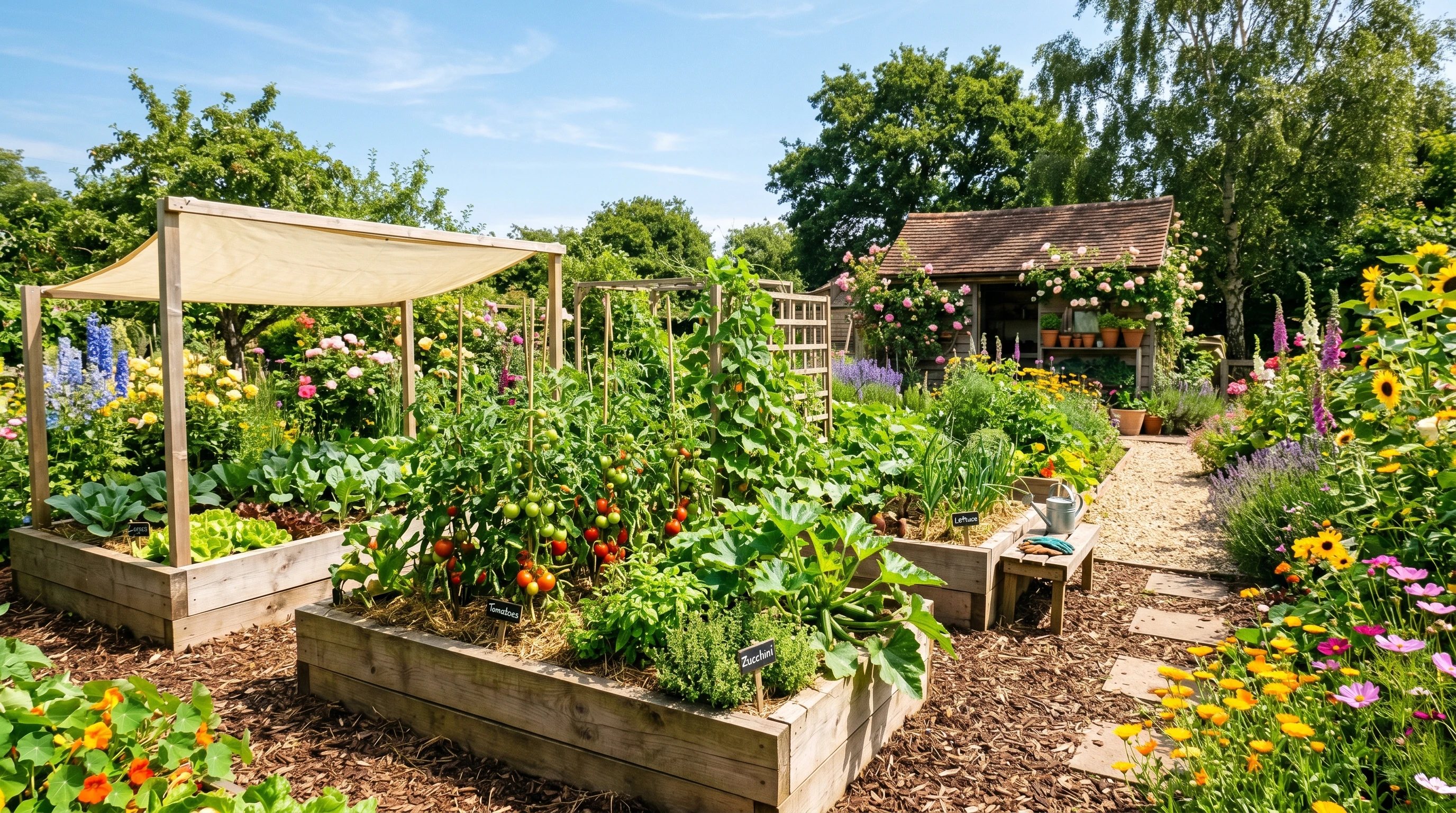
Sometimes, it’s just too hot for certain plants, no matter how much you water. Shade can be a gamechanger during a brutal heat wave. If your garden has little tree cover, consider throwing up a temporary shade cloth (these are easy to find online or at garden centers) over especially sensitive beds. Even a patio umbrella, an old bed sheet, or some garden stakes with burlap can work in a pinch.
Plants like cucumbers, lettuces, and impatiens really appreciate a break from the direct afternoon sun. Move container plants to the east side of buildings or under bigger shrubs for a little relief. Even tall crops like corn or sunflowers can give a bit of helpful shade to more delicate plants growing beneath them. If you want something a bit more permanent, planting deciduous trees or building a simple trellis system with climbing beans or morning glories can create a natural shade screen that gets better with each passing summer.
Soil Health and Summer Feeding
Healthy soil is your best defense against summer stress. Adding organic matter like compost or wellrotted manure boosts the soil’s ability to hold onto moisture and helps support natural microbes that keep roots strong. I usually freshen up my compost layer every summer just before a big hot spell.
Don’t go overboard with fertilizer in summer. High heat can stress plants enough; too much fertilizer can push them into forced, weak growth that’s very sensitive to drying out. A slow release organic fertilizer or a topup of compost in June or July usually gives plants what they need for steady growth.
If your garden soil is compacted, now’s a good time to gently loosen the top inch or two with a garden fork or hand tool. This lets water soak in better and helps roots breathe more easily, which is especially valuable during intense heat. You can also add worm castings or a handful of finished compost around each plant base to give a natural nutrient boost without risking overfeeding.
Common Summer Gardening Hurdles (And Quick Fixes)
I run into a lot of the same bumps in the road every summer. Here are a few common problems and what you can do about them:
- Wilting Even When Watered: Sometimes plants wilt in hot sun even if the soil is moist. This is often just their way of reducing water loss through their leaves. If plants perk up again in the evening, don’t worry. If they stay wilted overnight, give them more water or add shade protection.
- Leaf Scorch or Sunburn: Leaves might turn brown on the edges or develop pale, crispy spots. This often means too much sun or heat, not a disease. Adding mulch, increasing shade, or moving potted plants to partshade helps a lot.
- Blossom Drop in Fruits and Veggies: Tomatoes, peppers, squash, and beans can drop flowers without setting fruit in high heat. Not much fixes this except a temperature dip, but keeping plants consistently watered and shaded makes a difference.
- Bugs Love Heat Too: Spider mites, aphids, and whiteflies become extra active in dry, warm weather. Spraying with a hose, encouraging ladybugs, or using insecticidal soap usually handles small outbreaks.
Wilting Even With Good Watering
If you notice a plant flops in midday but stands up by sunset, it’s usually just protecting itself. I notice this the most with hydrangeas and beans; the best move is to check the soil with your finger first. If it’s still damp, resist the urge to keep watering or you could cause root rot.
Blossom Drop on HeatSensitive Crops
It’s pretty common for flowers to fall off tomatoes, peppers, or even squash if the daytime highs stay above 90°F for several days. There’s not a fix for this, but adding light shade or a row cover can sometimes help if the heat isn’t too intense. Otherwise, plants usually bounce back and set fruit once nights get a little cooler. Try planting these crops early enough in the season so their main bloom and fruit-set period comes before the hottest days.
Advanced Summer Gardening Tips
Once you’ve got the basics down, adding a few advanced moves can make your summer garden way more rewarding, both for you and the plants. Here’s what I’ve picked up through the years:
Start Seeds Indoors for a Late Crop: If summer lettuce or other coolweather crops keep failing, start seeds inside under lights in midsummer. Transplant them outside in late summer or early fall for a cooler harvest window. This can give you fresh greens right into autumn.
Plant HeatLoving Crops: Crops like okra, eggplant, sweet potatoes, and melons absolutely thrive in summer sun. Give them good soil and plenty of water for a big harvest even during heat waves. Try making space each year to jump into growing at least one plant that loves the heat—you may stumble upon a new family favorite at the dinner table.
Harvest Early and Often: Picking fruits, herbs, and veggies in the cool morning hours helps reduce stress on plants and keeps harvests tasting fresher. Frequent picking also encourages more production for things like beans, cucumbers, and zucchini.
Try ShadeLoving Annuals: Coleus, caladium, and impatiens add eye-catching color even in shadowy spots under trees or beside fences, giving you more gardening options all summer long.
Testing a few new heat tolerant varieties each season is pretty fun and might help you track down plants that love your particular mix of sun and soil. Gardening catalogs and local nurseries are great sources for the latest tough varieties or region-specific recommendations.
Tools and Supplies That Make Summer Gardening Easier
Having the right supplies on hand definitely saves time and hassle when it’s hot out. I look for:
- Soaker hoses or drip lines for beds or borders.
- A sturdy watering can with a rose head for gentle watering of seedlings or pots.
- Shade cloth or row cover fabric to protect raised beds or veggie patches.
- Good garden gloves to protect from prickly weeds, hot mulch, or biting bugs.
- Mulch materials such as compost, straw, shredded bark, or grass clippings.
- Rain gauge and soil thermometer so you can get a feel for how much water your garden is getting and monitor soil temps to anticipate when plants might need a little extra attention during extreme weather.
- Sun hat and refillable water bottle for yourself so you can stick with outdoor garden chores comfortably and safely.
Frequently Asked Questions
Gardeners always have questions about summer plant care, so here are the answers to a few that pop up the most:
Question: How often should I water in hot weather?
Answer: Water deeply two or three times a week for established beds instead of a little every day. Pots and containers need more frequent checks, often daily during a heatwave to stop them from drying out too quickly.
Question: What’s the best mulch for summer?
Answer: Shredded bark, straw, or even grass clippings (if chemical free) all work well. The best mulch keeps moisture in, blocks weeds, and cools the soil. Using local resources, like leaf mold or pine needles, can also work wonders without adding extra cost.
Question: Will my plants recover if they look scorched?
Answer: Most established perennials bounce back once temperatures drop. Keep them watered and mulch the roots well; new growth usually appears once it cools off a bit. Avoid pruning dead-looking growth in the middle of a heat wave; wait till things calm down.
Keep Your Garden Thriving All Summer
Beating the summer heat in the garden is about making a few simple tweaks to your routine—watering deeper, adding mulch, tossing up a bit of shade, and picking the right plants for your space. With a few habit changes, gardens can keep looking fresh, green, and packed with blooms or harvests all season long. Sticking with these care habits not only helps your plants handle heat like champs, but it also helps you enjoy your garden even when the sun is blazing. Happy gardening! Stay curious—each summer brings new surprises and rewards for gardeners who stick with it.