
Keeping herb gardens healthy can feel like a real win, especially when you’re trying to avoid harsh chemicals. Bugs and pests always seem to have their eyes on fresh basil, mint, and thyme, so getting rid of them can take some know-how. I’ve pulled together these practical pest control tips to help keep your herbs thriving. That way, your kitchen stays full of fresh, clean flavors all season long.
Getting to Know Pests in Herb Gardens
Dealing with pests is a pretty normal part of growing herbs, especially when you’re doing it organically. Common troublemakers include aphids, spider mites, whiteflies, and snails. These pests can munch on leaves, sap vital nutrients, or even spread disease. Figuring out what you’re up against helps you tackle problems early, before they get out of hand.
Aphids usually cluster under leaves and are often the first to show up. Spider mites leave tiny webs, while whiteflies flutter off in little clouds when disturbed. Snails and slugs leave ragged holes and slimy trails. That’s definitely not the sort of thing you want near your food plants. If you’re new to gardening, spend some time looking up common pest pictures to get a feel for what’s normal and what needs your attention.
Setting Up Your Herb Garden to Resist Pests
Picking the right spot and prepping soil are the first steps in keeping pests away. Herbs love sunlight and welldrained soil. Damp, dark corners can invite trouble. Good airflow matters too, since crowded plants trap moisture and attract everything from mold to bugs.
Mulching with organic materials like straw or shredded leaves discourages some pests and helps lock in moisture for the herbs. Raised beds can keep roots out of reach of critters like cutworms, and also make weeding a lot easier. Watering early in the day minimizes soggy leaves overnight, which cuts down on fungal issues. Try rotating plant positions each year to switch things up and reduce recurring pest problems. Adding a few rocks or broken tiles around the garden edge gives helpful critters like toads places to hide—these animals feed on many garden pests.
Top Natural Pest Control Methods for Herb Gardens
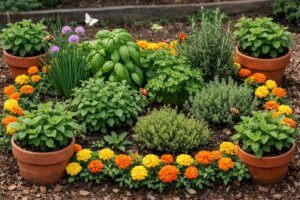
- Encourage Beneficial Insects: Ladybugs, lacewings, and parasitic wasps are natural enemies of aphids and other soft bodied bugs. Planting flowers like calendula and yarrow draws them in. I always add a couple of these in and around my herb beds for some backup.
- Companion Planting: Some herbs repel pests on their own; basil tends to keep away flies and mosquitoes, while chives make aphids think twice. Mixing strong scented herbs like rosemary, mint, and sage can confuse pests and keep them moving along.
- Homemade Sprays: I mix up a simple soap spray (a teaspoon of mild soap in a liter of water) and spritz it onto problem spots when I spot aphids. Neem oil works too, as long as you use it sparingly. Keep applications to the evenings to avoid harming bees.
- Physical Barriers: A ring of crushed eggshells or diatomaceous earth around the base of plants deters soft bodied slugs and snails. Row covers made from lightweight fabric can keep out bigger pests without blocking sunlight or rain.
You can also set out shallow dishes of beer or yeast water mixtures to attract and trap slugs and snails. It might sound odd, but this age-old trick actually makes a dent in their numbers over time.
Routine Care and Early Detection
Staying a step ahead of pests saves a lot of stress down the line. Checking over herb leaves and stems every couple of days helps you spot trouble before it takes over. Look for stunted growth, curling leaves, sticky damage, or visible insects. Anything suspicious should get a closer look.
Pruning away damaged or crowded leaves gives your herbs some breathing room and keeps the microclimate less friendly for bugs and fungi. Make sure to clean pruners before moving on to the next plant. Leaving old plant debris or weeds around makes a good hideout for pests, so keeping your garden tidy is super important.
Don’t forget regular feeding of your soil. A small top-up of compost or worm castings every few weeks can give your herbs a boost. Healthier plants are tougher for pests to pick on. Keeping your garden well weeded and free of standing water, especially around potted herbs, also stops pests from spreading too fast.
What to Do When Things Go Wrong
Sometimes even the most careful gardener ends up with an outbreak. When I get a pest invasion, here’s my usual plan:
- Identify the Pests: Figure out exactly what you’re dealing with; different pests need different solutions. Use online guides or local extension service photos if you’re not sure. If you’re stumped, take a clear photo and ask at a garden store or club.
- Isolate Affected Plants: If possible, move the worst hit plants a little distance from the rest or work on them last. This stops the problem from spreading.
- Hand-pick Bugs: It feels old-school, but picking off beetles, caterpillars, or snails by hand actually works. Drop them into a cup of soapy water and they won’t bother you again.
- Spray and Remove: Use your homemade soap spray or neem oil, focusing on the pests and the undersides of leaves. Remove leaves that are badly damaged or infested.
- Reinforce Natural Defenses: After cleanup, encourage beneficial insects or refresh mulch to boost your herbs’ defenses for the next round.
If you see pests coming back soon after, it could be a sign of bigger imbalances, like chronic overwatering or nutrient poor soil. Adjust these basics and see if your pest issues let up.
Common Problems and Easy Solutions
- Wilting or Yellowing Leaves: Could be root rot or a pest like root aphids. Make sure the soil drains well and pull up any plant that’s mushy below ground.
- Sticky Leaves: Usually a sign of a sapsucking pest. Try wiping the leaves and doublecheck for tiny bugs. Soap spray works well here.
- White Webbing: This could be spider mites. Rinse plants with a strong stream of water and treat with neem oil if the problem keeps coming back. Misting the plants more often may also help dampen spider mite populations since they hate humidity.
- Ragged Holes: Slugs and snails love basil and mint. Putting down eggshells or copper tape can help, or head out after dark with a flashlight and pick them off. For bigger trouble spots, cut back affected plants and let new growth come in strong.
Mulching and Soil Health
Healthy soil grows strong herbs, which stand up better to pests. Compost, worm castings, and regular aeration keep roots happy and help plants recover from minor damage. Mulch isn’t just for stopping weeds. It also helps keep soil temperatures steady and holds in moisture, making it harder for some pests to get established. I’ve found adding a thin layer of straw or bark chips really cuts down on snails and keeps the bed looking neat.
Safe Sprays You Can Make at Home
Storebought pest control sprays often contain stuff I’d rather not eat along with my oregano. Simple sprays with mild dish soap, garlic, or chili are surprisingly effective. Always patch test a spray on a few leaves and wait 24 hours to see if there’s damage. Even natural sprays can burn tender herbs on a hot day, so spray in the evening.
Some gardeners like to use diluted milk as a foliar spray to help prevent fungal issues and boost leaf health. Others rely on a splash of seaweed extract to strengthen plant resistance. There’s plenty of room to try what works best for your herbs.
Frequently Asked Questions
People ask a lot about growing herbs with fewer pests, so I’ve answered a few of the top questions here:
Question: Can I use vinegar sprays on herbs?
Answer: Vinegar can burn leaves and roots, so I avoid using it on anything edible. Mild soap and water is a safer bet.
Question: What if I see ants in my herb garden?
Answer: Ants are usually milking aphids for their honeydew. If you control the aphids, the ants will move on too.
Question: Is it safe to use neem oil on all herbs?
Answer: Neem oil is usually safe for herbs, but don’t spray right before harvesting. Rinse herbs well before using in the kitchen.
Question: How often should I check my herbs for pests?
Answer: Twice a week is plenty for most gardens. If the weather is hot or rainy, you may want to look a little more often.
A Fresh Approach to Herb Garden Health
Tending an herb garden without loads of chemicals means using a mix of keeping an eye out, natural helpers, and basic garden hygiene. Growing a resilient, tasty patch takes a bit of effort up front, but it pays off in the kitchen and at the table. With the steps and tips I’ve shared, you can keep your herbs healthy, your meals flavorful, and your garden buzzing with life. If you’re curious about specific plant pest combos or want even more details, local extension offices or master gardener programs are super helpful resources. They’re worth checking out if you want to dig into things further and keep your herb garden thriving.