Picking the right soil and pots for indoor plants often makes the difference between thriving greenery and plants that just don’t last long. When I started growing houseplants, I didn’t think much about the soil mix or the shape and size of my pots. It turns out these details really matter if you want healthy, good-looking plants inside your home. There’s a lot of information out there, but I’ll break it all down so anyone can get started with indoor planting and feel confident about soil, pots, and everything in between.
Why Soil and Pots Matter for Indoor Plants
Getting the right soil and pots isn’t just about appearances. The right setup helps plants get enough water, nutrients, and air around their roots. Indoor plants are a bit limited compared to outdoor ones; you control everything from their food to their space. If you use the wrong soil or a pot without drainage holes, roots can rot, leaves wilt, and growth gets stunted.
A study by the University of Florida found that potting media and pot choice is a major factor in plant longevity indoors. When you find combinations that suit your plants, you’ll deal with fewer pests, less disease, and much easier care. That’s pretty handy for any plant parent, whether you’re into monsteras, succulents, or herbs on your kitchen windowsill.
What to Look for in Indoor Plant Soil
Soil for indoor plants is usually called “potting mix” or “potting soil,” but not all mixes are the same. The main things to keep in mind:
- Drainage: Good indoor mixes let water run through while holding onto just enough for roots.
- Nutrients: Some potting soils come with fertilizer mixed in, while others need you to add your own over time.
- Aeration: The soil should be fluffy so roots get air. Compacted soil suffocates them.
- Texture: Rough mixes with perlite, vermiculite, or bark chunks help water move through and stop soggy roots.
Most garden soil is too dense and can bring pests inside. Bagged potting mixes at garden centers are made for plants grown in containers. If you have specific plants (like orchids or cacti), look for specialty blends; they really do help.
Some potting mixes are labeled as organic and include ingredients like coconut coir for water retention, and worm castings for a natural nutrient boost. These options usually cost a bit more, but many plant lovers swear by the difference in their plant’s health and appearance. You can even mix your own with basic ingredients purchased separately, allowing you to customize for each species you grow.
Choosing the Right Pot for Your Indoor Plant
Picking out pots is one of my favorite parts of plant shopping. The range is huge—ceramic, clay, plastic, woven baskets, and more. Here’s what’s super important when choosing:
- Drainage Holes: Always aim for pots with at least one hole in the bottom. No holes means water can pool and rot roots fast.
- Size: Pots that are too large can drown a plant’s roots, and tiny pots limit growth. Usually, a pot one or two inches bigger than the plant’s root ball works best.
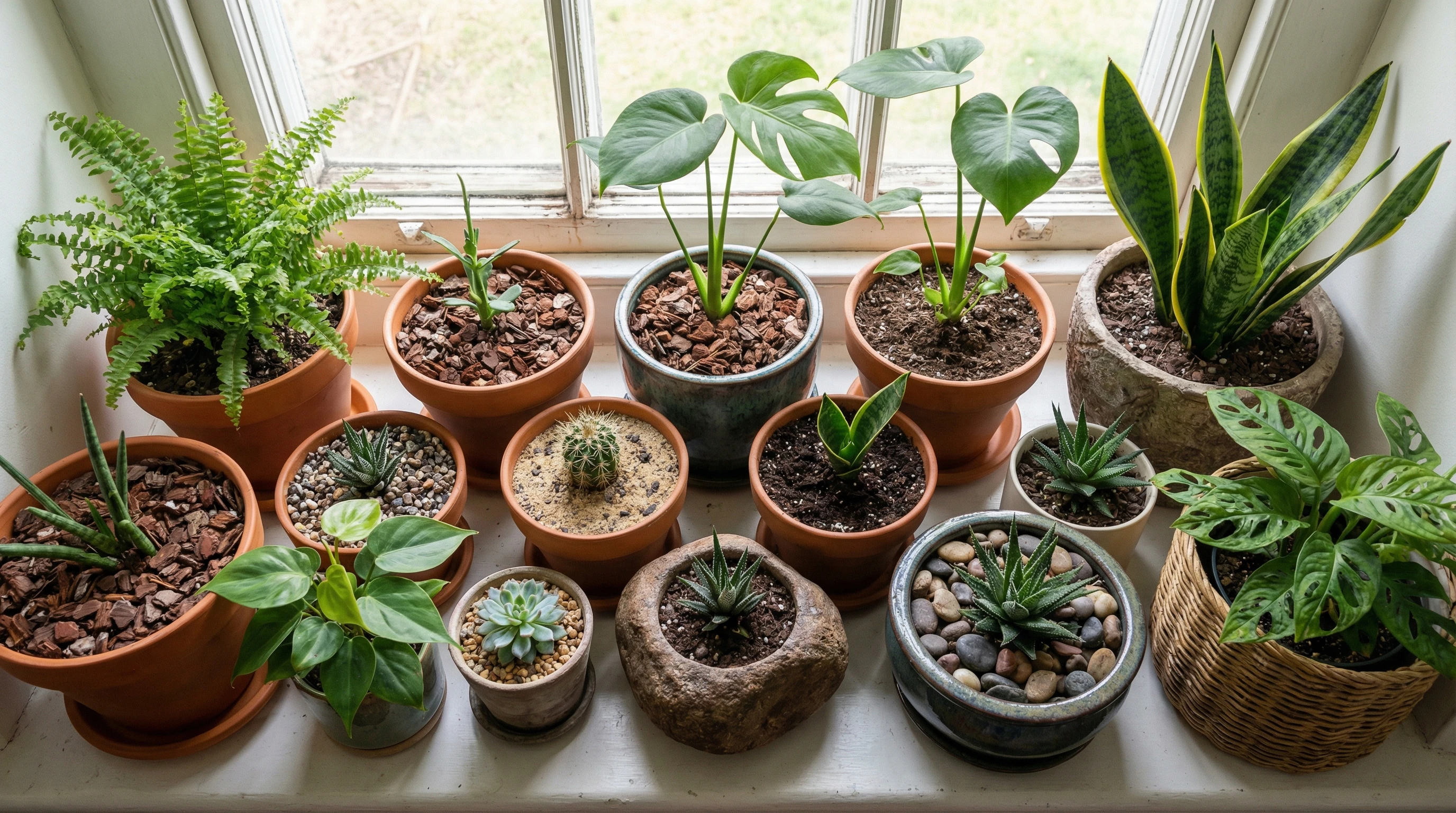
- Material: Terracotta is classic and helps soil dry out between waterings, good for succulents and cacti. Plastic pots hold in moisture, which is great for ferns or moisture loving plants. Ceramic pots are stylish and versatile, but can be heavy.
- Style: Pick pots that fit your space. Sometimes cool decorative containers don’t have holes, so you can double pot by using a plastic nursery pot inside a decorative cover.
Consider the weight of your pot if you like to move plants around to chase the sunlight. Large ceramic and stone pots look eye-catching, but may be tricky to shift once full of soil and a mature plant. If you’re outfitting shelves, lighter plastic pots can help reduce overall weight while still looking good if hidden in baskets or covers.
A Quick Guide to Soil and Pots for Popular Indoor Plants
- Succulents & Cacti: Fastdraining cactus mix, usually with extra sand or perlite. Terracotta pots keep them from getting soggy roots.
- Fiddle Leaf Fig, Monstera, & Rubber Plant: Chunky, wellaerated potting mix with bark, perlite, and peat. Go with heavy ceramic or welldraining nursery pots that keep these topheavy plants stable.
- Orchids: They love a bark mix, sometimes with charcoal and moss. Use orchid pots with extra holes or slits for airflow.
- Herbs: High quality allpurpose potting mix. Plastic or lightweight pots fit well on window sills.
- African Violets: Special violet mixes are fluffy and hold moisture without weighing roots down. Use shallow, selfwatering pots if you want less hassle.
Other popular plants, like snake plants and pothos, thrive in a general indoor mix but appreciate the addition of a handful of perlite for better drainage. Ferns prefer a moisture holding, peaty mixture in a plastic or glazed ceramic pot to help keep their soil damp.
Things to Watch Out For When Potting Indoor Plants
Even if you have a great mix and a sturdy pot, some hiccups can pop up. Here are a few to expect along the way:
- Overwatering: This is super common. Make sure your pot drains and tip out water from saucers if it collects.
- Soil Compaction: Over time, soil can get compacted, crowding out air. Fluff it up or replace it each spring to keep roots breathing.
- Root Bound Plants: If roots are circling the pot and growing out the bottom, it’s time to repot into a bigger home.
- Pest Hiding in Soil: Some mixes from the store can come with fungus gnats or other bugs. Letting new soil dry out a bit, or adding a layer of fine gravel on top, can help.
- Salt Build Up: Fertilizers may leave a white crust on soil or pots. If you see this, flush your soil with clean water or repot entirely.
Occasionally, mold might appear on the soil surface if your plant is in a lowlight spot or remains too moist. Simply scrape it off and ease up on watering for a while, making sure the area gets some airflow. Also, watch for gnats especially in new bagged soil—a sticky trap can help if you spot them early.
Why Soil Composition Is Really Important
Potting mixes aren’t just random dirt in a bag. Most have a blend of peat moss or coconut coir (for moisture), perlite or vermiculite (for drainage), and sometimes compost or bark for nutrients. For people using organic options, mixes with worm castings or composted bark are available too.
Certain plants, like orchids or carnivorous varieties, absolutely need special blends. Others can handle more general mixes. If you’re unsure, grab an allpurpose indoor mix and adjust by blending in extra perlite or sand to tweak water retention or drainage.
It’s a good idea to refresh your potting mix every couple of years, even if you aren’t repotting to a bigger container. Old soil loses structure and nutrition, so new soil gives your plant roots a boost and helps prevent issues down the line.
Understanding Pot Sizing and Repotting Needs
When a plant’s roots outgrow their pot (you’ll see roots circling or poking through drainage holes), it’s time to move up. A good rule is to bump up just one or two sizes; giant pots leave too much wet soil around roots and can cause trouble.
I like to water my plants before and after repotting to help reduce shock. If you’re using a decorative pot with no hole, keep your plant in a nursery pot so you can lift it out to water and let it drain fully before returning it to its stylish cover.
Extra Tips and Tricks That Make a Difference
Once you’re used to choosing soil and pots, here’s a few little hacks I use for even happier plants:
- Watering from Below: Place the pot in a shallow tray of water and let the roots drink up, then remove it after 20 minutes so it doesn’t get soggy.
- Repurposing Materials: If you have empty glass jars or baskets, use them as a cachepot; just remember inner drainage.
- Mix Your Own Potting Soil: Save some cash and customize by tossing together peat or coir, perlite, and a handful of compost or worm castings.
- Layering for Drainage: Starting with a thin layer of pebbles or broken pottery in the bottom can help keep holes from getting blocked.
For even more tips, try grouping your plants based on their light and moisture needs. This makes care routines a breeze—water similar types together and move them as a set if you’re adjusting location for sunlight. Also, rotating your pots every couple of weeks helps your plants grow evenly and keeps them from stretching toward the nearest window.
I’ve made a few mistakes along the way, like crowding plants or using heavy soil that suffocates roots, but every season is a chance to get your setups dialed in. Indoor gardening isn’t hard when you get the basics right.
Common Questions About Soil and Pots for Indoor Plants
Question: Can I reuse old potting soil?
Answer: Reusing potting soil is fine if you remove old roots, fluff it up, and maybe add extra perlite or compost. If the last plant died of pests or disease, toss the soil just to be safe.
Question: How do I know if my pot is the right size?
Answer: Roots should have about an inch or two of space between the edge of the root ball and the pot. If the pot is too big, wait until your plant fills out its current one before going up a size.
Question: What’s the deal with selfwatering pots?
Answer: Selfwatering pots keep a water reservoir at the bottom, which can be great for busy plant parents or thirsty plants like herbs. Just be sure roots don’t sit in water all the time, or they may rot.
Question: Are clay pots better than plastic?
Answer: Clay is more breathable and helps prevent overwatering, but plastic holds moisture longer and is lighter. The best choice depends on your plant’s needs and your watering habits.
Getting Started with Indoor Planting
The best way to learn what works is just to get your hands dirty. Start with a bag of indoor potting mix and a pot with drainage, and pick a plant that matches your style. You’ll notice almost right away how a good setup means less fuss with watering, fewer pest problems, and plants that look a whole lot healthier. It’s all about finding what works for you and your space. Happy planting!