
Autumn brings some of the prettiest changes to the garden, but it also challenges every gardener to keep things healthy and prepped for the colder months coming up. Protecting your garden in the fall isn’t just about keeping things alive until spring; it’s about making sure your plants have their best shot at bouncing back stronger and more vibrant next season. From personal experience, a little effort now saves a lot of hassle (and heartache) later.
Why Fall Garden Protection Matters
Falling leaves, dropping temps, and slowing growth rates mean your plants are heading toward dormancy. But this period is when many perennials, shrubs, trees, and even lawns store up energy for spring. Fall weather can bring sudden frosts, drenching rains, or gusty days that stress both the plants and your soil. I’ve seen healthy gardens struggle after harsh autumn weather if I don’t step in with a bit of help.
A strong fall routine can help reduce pests, block out weeds, and set up young plants with a better root system. It’s also a smart way to minimize chores once gardening season hits full swing. Fall protection is about prepping your space so things have the resilience to handle extreme conditions. Extra mulch, protection for vulnerable stems, and regular clean up all play a key role in this seasonal process.
Essential Steps To Protect Your Garden In The Fall
There’s a bit of strategy to guarding your plants and soil in autumn. From cleanup to covering crops, a few key actions can keep things ready for winter and set you up for a thriving garden next year.
- Clean Up Dead Plant Material: Remove spent blooms, dying annuals, and any fallen fruit. Leaving this stuff sitting around can invite pests and diseases to stick around too. I always do a sweep through my beds and compost healthy, diseasefree debris.
- Mulch Beds and Borders: Adding a thick layer of mulch over exposed soil insulates roots, maintains moisture, and suppresses lateseason weeds. Shredded leaves, wood chips, and straw all work well for winter protection. I find mulch is a little garden miracle, especially for beds with tender perennials.
- Cut Back Perennials (Selectively): Some perennials like peonies and phlox do better when cut down in late fall, while others (like ornamental grasses) can stay standing for winter interest and wildlife shelter.
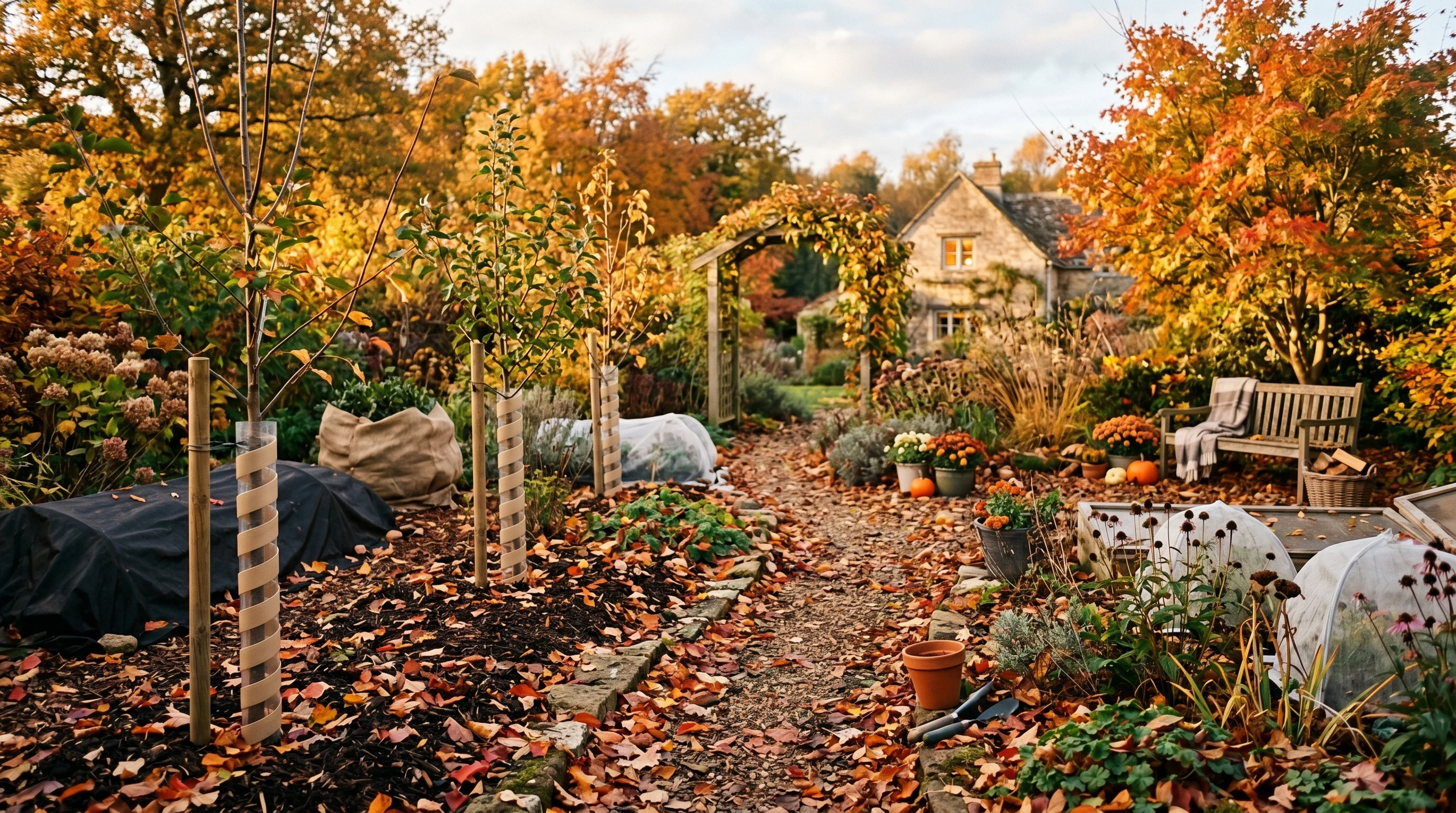
- Protect Sensitive Plants: Cover delicate plants with garden fleece, burlap, or frost cloth if temps are expected to dip below freezing. For newly planted shrubs or trees, wrap trunks with tree guards to guard against sunscald and critter damage.
Fall Garden Maintenance: A Quick Guide
Caring for the garden as things slow down can seem like a lot, but I break things down into manageable steps:
- Remove Weeds: Pull out lingering weeds before they seed, so you’re not fighting off invaders come spring.
- Rake and Compost Leaves: Collect leaves for mulch or compost. If you leave thick layers on your lawn, they might smother grass, but shredded leaves on beds are super helpful. Leaves can also be turned into leaf mold, which adds rich organic matter to your garden beds in the coming year.
- Amend the Soil: Sprinkle compost or wellrotted manure to boost nutrients. This gives microbes time to break things down over winter.
- Water Deeply Before Ground Freezes: Especially for evergreens and new plantings. I always aim for a solid, deep soak in late fall when rain isn’t quite enough.
- Draining Hoses and Storing Tools: Drain hoses, bring in watering cans, and clean up your hand tools to get ahead of winter rust and rot. Properly stored tools last longer and save you from springtime headaches.
Common Challenges in Fall Garden Care
Autumn isn’t always predictable, and a few recurring challenges always pop up. Here’s how I deal with them:
- Sudden Frosts: Watch the forecast and keep frost cloth or old sheets handy. I bundle up tender veggies or late bloomers overnight if a cold snap is coming. Sometimes, just covering up vulnerable plants for a night or two can keep them going well into late fall.
- Heavy Rains or Snow: Good mulch and wellplaced gutters keep water from pooling in garden beds. If things get really soggy, I add more compost or leaf mold to loosen clay soil and encourage healthy drainage.
- Persistent Pests: Some bugs try to overwinter in leftover debris. I like to tidy up before cold weather traps them in place, and sometimes I’ll spray dormant oil for scale or mites on fruit trees. Staying sharp to bug activity now keeps your garden healthier later on.
Dealing with Fall Leaves
Leaves are everywhere right now, and sometimes it seems like raking is neverending. Instead of sending them to the curb, I run over piles with a mower to make leaf mulch for beds and borders. This improves the soil, doesn’t smother new plantings, and gives earthworms a great food source. If you have room, collect extra leaves in wire bins or bags for future composting. Over time, they break down into valuable organic matter.
Mulching for Winter Prep
Mulch isn’t just about warmth. It helps protect roots from freezethaw cycles, prevents soil erosion, and adds nutrients over time. For my roses, I always mound an extra 8–12 inches of mulch or shredded leaves around the base for extra winter protection. Mulching pathways can also make it easier to get around the garden on wet fall days, reducing slip hazards.
Protecting Young Shrubs and Trees
Younger trees and shrubs need some TLC in their early years. I wrap trunks with tree guards or spiral protectors in late fall to keep rabbits and mice from nibbling the bark. Adding a thick mulch ring, leaving space at the trunk, helps stabilize soil temps and retains more moisture. If you planted new saplings, consider staking them if you expect harsh winds, to protect their delicate roots and trunks.
Planting Fall Bulbs and Garlic
Fall is prime time for getting springflowering bulbs and garlic in the ground. I love digging in tulips, daffodils, and garlic cloves while the soil is still workable. Once planted, I toss a light layer of mulch over the top to keep soil even and bulbs safe from critters. The payoff in spring is always worth the effort when the first shoots poke up through the mulch.
Upgrading Your Fall Garden Routine
Taking your fall garden care up a notch can make next year’s growing season even easier and much more rewarding. Here’s what I’ve tried and found super useful:
Rotate Crops and Plant Cover Crops: Rotating your veggie beds reduces disease and pest buildup. Adding a cover crop like clover or rye protects and enriches soil, plus helps reduce runoff and weed growth. Rye and winter wheat also provide green matter for spring tilling.
Record Keeping: I jot down what worked and what didn’t. It’s really helpful to remember which beds had pest problems or needed extra mulch. Keeping notes and simple sketches means your future self will thank you for the reminder when spring rolls around.
Take Photos: Snapping pics of your fall beds, compost piles, and protective setups helps track progress, showcase ideas, and gives you a blueprint for next year. It’s fun to look back and see how much your garden has changed over time.
Add Bird Feeders or Houses: Birds help keep insect pests in check through the colder months. Setting up feeders or shelters in fall not only encourages beneficial wildlife, but also adds a bit of life to a wintery landscape.
What To Prioritize For The Best Results
Not every garden is the same, but here’s a quick list of fall tasks that make a big difference, even with limited time or resources:
- Mulch Perennial Beds: Mulch protects roots, prevents weeds, and holds in moisture as things cool down.
- Cut Down Diseased Plants: Get rid of any plant showing disease, so you’re not inviting more problems in spring.
- Drain and Store Watering Gear: Freezing can split hoses and crack pots fast.
- Support Young Trees: Stake or tie loose trunks if your area gets strong winds or heavy snow loads. Trees benefit from gentle support, especially if they’ve only been in the ground a year or two.
- Make Notes On What To Fix: Write down bare spots, drainage issues, or successful plantings while it’s still fresh in your mind. Planning now means less stress later.
Frequently Asked Questions
If you’re working on your fall garden for the first time (or the tenth), these are questions I hear a lot:
Question: Should I prune everything back in fall?
Answer: Not every plant responds well to heavy pruning in autumn. Woody plants and springflowering shrubs (like lilacs) usually get their trim after blooming in spring, not fall. Focus on cutting back plants that turn mushy or are prone to disease.
Question: Do I need to fertilize in the fall?
Answer: Fall isn’t the best time for highnitrogen fertilizers, but compost or balanced organic amendments help rebuild soil. Lawns sometimes benefit from latefall fertilizer depending on your climate and grass type.
Question: How much mulch should I use?
Answer: Aim for 2–4 inches over most beds, and up to 8 inches around roses or tender perennials. Pull mulch away from stems and trunks to prevent rot.
Fall Garden Protection: Wrapping Up The Season Right
A strong fall cleanup makes winter a breeze and counts toward a smoother, more productive spring. Mulch, tidy, and keep an eye out for sneaky cold snaps or surprise pests. Protecting your garden in the fall can be as simple or as super detailed as you want it to be; do what’s realistic for your space and schedule. Your garden will thank you with fresher soil, fewer weeds, and healthier plants when everything wakes up again.