Organic vegetable gardening has a certain charm that keeps drawing me in, year after year. There’s something pretty satisfying about heading out to the garden and picking food I’ve grown myself. That joy feels even bigger because I know it’s done naturally, without synthetic chemicals.
Getting started can feel a bit daunting, especially with all the talk about soil, bugs, and what to plant where. I’m breaking down what’s really important at each step so you can have a good time whether you’re new to gardening or getting more hands-on. I’ll share what’s worked for me, a few lessons learned the hard way, and point out some resources you might want to look into if you want to get even deeper into the weeds of organic gardening.
Garden Planning: Picking the Perfect Spot and Crops
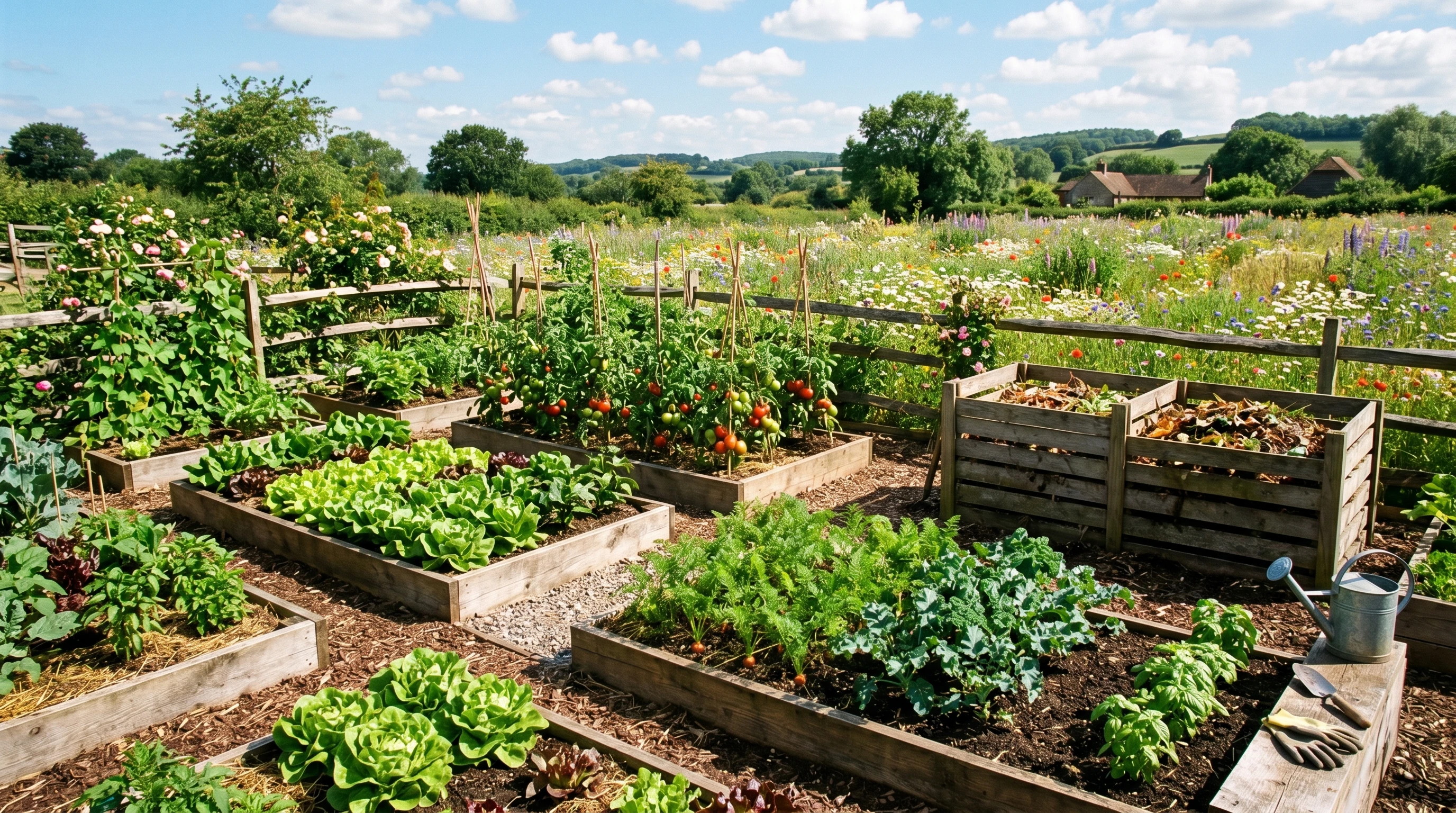
I always start my gardening year by thinking things through. It might not be as exciting as digging in the dirt, but doing a little planning can really save headaches later on. Sunlight matters a lot and most vegetables need at least 6 to 8 hours of direct sun each day. My preference is raised beds because they warm up fast and drain well, but container gardens are also a good fit if you have just a small patio or balcony. Just make sure your spot doesn’t collect water and turn into a swamp after rain. Poor draining spots can cause some crops to wilt or rot.
Your planting zone is super important—what thrives in Minnesota might wither in South Texas. The USDA Plant Hardiness Zone Map is a good go-to, especially if you aren’t sure what to grow in your region. For beginners, I recommend starting with things like lettuce, radishes, bush beans, and zucchini because they’re pretty forgiving if mistakes happen.
The layout of your garden should fit your available space and how much food you actually want to grow. Traditional row gardening is a standard approach, but squarefoot gardening lets you pack a ton of plants into a tiny plot. Some varieties spread out more than others; for example, squash and cucumbers need space between plants so their vines don’t tangle up too much.
For a more fun and rewarding planning session, sketch out a map of your garden space. This way, you know what’s going where and can keep track of crop rotation from year to year, which helps keep your soil healthy.
Soil Health: Building Your Foundation
Soil really is where the magic starts. If your soil is healthy, your plants are halfway to success. I’m always feeding my soil with a steady supply of finished compost made from kitchen scraps, leaves, and some grass cuttings. Over time, this has made the dirt in my beds dark and crumbly. I also throw in worm castings from my worm bin, which gives everything a boost.
A little soil testing helps take the guesswork out of the process. Home test kits are cheap and easy, or your local extension office can test your soil for you. You want to check the basics—pH (6.0–7.0 is usually best for vegetables) and nutrients like nitrogen, phosphorus, and potassium. If anything is off, you can fix it with natural amendments. For example, agricultural lime will make acidic soil sweeter, and additions like bone meal can bring up the phosphorus levels.
Try not to overwork your soil. I used to flip everything over with a garden fork every spring, but lately, I only loosen where needed. This keeps rotten matter undisturbed, protects helpful soil microbes, and keeps things healthier for the long haul. Curious about the details? Check out this Rodale Institute guide on soil health basics.
If you don’t have a backyard, you can still build great soil right in containers or raised beds with a mix of compost, coconut coir, and peat moss for moisture, plus a bit of perlite for drainage. It’s a good combo, and you won’t have to stress too much about soil-borne diseases common in old garden plots.
Starting Seeds, Planting, and Growing
I find a lot of joy in starting seeds indoors each winter, using simple trays and a window that gets bright sun. Tomatoes, peppers, and eggplants are some of my favorites for indoor starts. For beans, peas, and squash, I just put seeds directly in the garden once the weather is warm and the soil temps are up.
Choosing and sourcing the right seeds goes beyond what’s glossy in the catalogs. I prefer openpollinated and organic seed varieties because I can save seeds from one year to the next and they help keep old plant genetics alive. Seed Savers Exchange is one of my favorite spots for this—sharing only what’s brought me success.
I like to team up different plants for better results—a trick called companion planting. For instance, I put basil right next to my tomatoes, and marigolds go at the end of my veggie rows to keep some nasty bugs at bay. Mixing your crops and not planting tomato-family veggies after each other helps dodge soil problems. Basically, don’t put tomatoes where you just had potatoes, eggplants, or peppers.
To boost germination rates, pre-soak large seeds like beans and peas overnight in a damp paper towel. This simple step can help your seeds sprout faster once in the ground and give seedlings a strong, early start.
Watering, Mulching, and Keeping Up the Care
My watering routine is straightforward: I water deeply once or twice per week, in the morning or late afternoon depending on the weather. Deep watering encourages roots to grow longer and stronger, while frequent shallow watering can leave roots right at the surface where they dry out quickly. If I start new seedlings, I water more frequently until they’re established.
Mulching is one of the smartest moves you can make. I lay down thick blankets of straw, untreated grass clippings, shredded leaves, or cardboard between garden rows. That keeps soil moisture steady, chokes out most weeds, and feeds the dirt as the mulch breaks down. Low maintenance with high payoff. For more options, bark chips and even woven landscape fabric work for pathways and around longer term plantings.
If time is tight, adding a drip irrigation system and using a timer can make sure your garden is never thirsty, even when you’re away for a week. Need a quick mulching reference? The University of New Hampshire Extension has a useful introductory sheet.
As an extra tip, a watering wand with a soft spray makes watering seedlings gentle and avoids knocking them over or washing away soil. And remember to water at the soil level, not from overhead, to prevent fungus and rot.
Dealing With Pests and Disease Naturally
No matter what, something will want to nibble on your veggies each year. I attract helpful insects like ladybugs and lacewings by planting dill, yarrow, and alyssum nearby. A simple row cover—light fabric set over hoops—keeps moths, beetles, and even hungry rabbits away from tender crops like lettuce and kale.
If I make out evidence of problems, I look for nonchemical solutions first. Picking caterpillars, beetles, and hornworms off by hand (gloves help!) is surprisingly effective. If aphids show up, a sharp spray with the hose or insecticidal soap (water plus a drop or two of dish soap) often quickly handles them.
Mixing up crops and growing a variety way reduces the chance any one pest will get out of control. Healthy soil and strong plants keep disease at bay better, too. To stay ahead of trouble, I also check leaves for signs of trouble every few days, especially in mid-summer when bugs and mildew are most active. If things get tough, floating row covers and neem oil can act as a last, organic line of defense.
Taking Soil Health Further: Compost, Cover Crops, and More
Each season I garden organically, I see how soil health makes everything easier. Besides steady composting, I use cover crops like buckwheat or crimson clover in empty spaces to keep soil covered. These green covers add nutrients when chopped and worked into the dirt; worms and good microbes make quick work of it.
Rotating plant families is essential for keeping soil healthy. By switching up which crops go where each year, I avoid recurring diseases and don’t drain all the nutrients in one place. Heavy feeders like tomatoes and corn never go in the same spot twice in a row. GrowVeg’s crop rotation guide was super helpful when I started planning these moves.
I minimize tilling, but once a year I gently turn over the top layer to add compost or mulch. No dig gardening is now popular, especially if your plot is on the heavy or clay side, as less disruption helps nurture those crucial soil helpers.
Building your own compost pile is easier than it seems. Layer kitchen scraps (avoid meat and cheese), leaves, and garden waste. Keep it moist, turn it every few weeks, and you’ll have “black gold” within a few months. This homegrown fertilizer can make all the difference for your crops without needing to buy storebought soil amendments.
Harvesting: Picking and Storing Your Veggies
Getting harvest timing just right ensures the best flavor and texture. For greens, I cut only what I need for the day, which encourages more leaves to grow. Beans taste sweetest before they fill out with big seeds. Zucchini can go from snack-sized to baseball bat overnight, so check them every day.
Root crops like carrots and beets get sweeter after a light frost sets in, but you have to keep an eye out because critters like mice may beat you to the harvest. I gently shake off extra dirt and let everything dry before storing. Storage depends on the crop—some, like potatoes, do best in dark and cool spaces, while garlic and onions prefer dry, airy places. Freezing, fermenting, or canning are all smart ways to preserve bumper harvests for the winter.
Tomatoes can ripen on the counter if picked a bit green at season’s end. For leafy greens, a quick rinse and spin dry before refrigerating keeps them crisp for up to a week.
Seasonal Gardening: Riding the Weather Changes
Each season brings a fresh batch of chores and victories. Spring is the time for prepping beds, starting seeds indoors, and planting the earliest crops outside. Once summer hits, life is all about steady watering, mulching, and keeping up with quick-growing weeds. When fall rolls in, that’s the big harvest stretch and a great time to put in cover crops and get the garden beds set for a break over winter.
In colder climates, starting seeds inside and making use of cold frames or row covers lets you jumpstart the garden year by a few weeks. Hotter places mean you’re focusing on heatloving crops and providing shade for baby plants. Look into your state or local university extension; they have region-specific gardening calendars and growing guides packed with practical advice.
If you like to keep busy in winter, use the downtime to sharpen tools, order seeds, and plan out next year’s beds. Reviewing garden notes from previous years helps “connect the dots” about what worked and what didn’t, so you can make your next growing season even better.
Common Questions About Organic Vegetable Gardening
Here are a few popular questions I hear, with honest answers based on my own experience:
What’s the easiest vegetable to grow organically?
Leafy greens such as lettuce and kale, radishes, and bush beans almost always thrive, even for true beginners.
How can I keep pests away without chemicals?
I focus on prevention—healthy soil, a mix of different plants, and natural allies like ladybugs and row covers. Organic sprays are there only when nothing else does the trick.
Is organic vegetable gardening time-consuming?
It does take some extra time up front, especially to get good soil. Over a few years, the work drops off as your soil perks up and your garden becomes hardier.
Do I need to buy organic seeds?
It’s definitely helpful, but not an absolute must. Many gardeners use regular untreated seeds at first and gradually swap to organic or heirloom seeds as they build up their gardens.
Can I grow organically in containers or on a balcony?
Absolutely; just get a highquality organic potting mix and feed your veggies regularly with compost tea or another organic liquid fertilizer.
Organic Gardening: Growing With Nature
Organic gardening is about teaming up with nature, then letting natural cycles do a lot of the heavy lifting. If you put in some planning at the start and show a little patience, you’ll see healthy plants and bigger harvests every year. Whether you’ve got a backyard plot or just a couple of containers, there’s room for this style of gardening in any space.
I enjoy learning something new with every season and seeing how the garden always brings surprises, even the ones I don’t plan for. If you’d like to dig into a topic further, feel free to follow the resources I’ve mentioned or reach out to your local community of gardeners—they’re often more than happy to share their best advice, too.
Gardening organically isn’t just about growing food; it’s about growing healthier soil, supporting wildlife, and building a little oasis that gives back year after year.