If you’ve been dreaming about growing your own vegetables, knowing garden seasons and planting times is super important. The outcome of your veggie patch isn’t just about what you plant; it really depends on when you plant each crop. Understanding the natural rhythms of the year will help you get better results, avoid frustration, and enjoy fresh produce right when it’s at its absolute best. In this guide, I’ll break down key factors to help you plan your vegetable garden season by season, making things simple even if you’re totally new to growing food.
Understanding Your Garden’s Seasons
Growing a thriving vegetable garden comes down to timing. Most vegetables have particular temperature preferences, sunlight needs, and frost tolerances. Matching your planting plans to the seasons will give your garden the best chance to flourish and produce a bountiful harvest.
The gardening calendar can sometimes seem confusing since every region’s climate acts a little differently. In North America, for instance, you’ll hear gardeners talk about “cool season” and “warm season” crops. This is all about separating vegetables that grow during the chillier parts of spring and fall from those that thrive in summer’s warmth.
Figuring out your local frost dates is a smart first step. The “last frost” date in spring tells you when it’s usually safe to plant outside without your seedlings freezing. The “first frost” date in fall lets you know when chilly weather will likely return. You can stumble upon these details on gardening websites or by asking knowledgeable folks at local garden centers.
Key Factors that Affect Planting Times
Vegetable gardening isn’t a one-size-fits-all adventure. A few essential details shape when you should start your seeds and when it’s wise to move your plants outdoors:
- Hardiness Zone: This system groups regions by their average lowest winter temperatures. Knowing your zone helps you pick plants that are set up to do well where you live.
- Microclimates: Sometimes, a garden spot will feel a little warmer or cooler than the wider region. Fences, pavement, or southfacing walls can speed up soil warming, giving you a head start on planting by a week or two.
- Frost Dates: As mentioned above, these are super useful to help you time when to put cool and warm season crops in the ground and avoid losing your hard work to an unexpected freeze.
- Soil Temperature: Seeds aren’t watching the calendar—they need certain soil temperatures to sprout. For instance, lettuce seeds will sprout in chilly earth, while peppers stay dormant. A soil thermometer is handy for checking your garden bed before you sow.
How Vegetable Seasons Shape Your Planting Plan
To keep things simple, most gardeners sort vegetables as “cool season” or “warm season” crops. Here’s a quick breakdown:
- Cool Season Crops: Think peas, spinach, lettuce, broccoli, and carrots. They grow happily in cooler weather, often in early spring or as summer winds down into fall. Many can survive a light frost and even pick up more flavor after a chilly night.
- Warm Season Crops: Tomatoes, peppers, beans, corn, and cucumbers are in this category. These need both warm soil and warm air to take off. Wait to plant these until after your last frost date—sometimes even a few weeks later for best results. These crops can’t handle frost at all, so patience is key.
Some plants don’t slot perfectly into either group, but most beginnerfriendly veggies fit one or the other. Paying attention to these categories helps with planning and avoids planting mistakes.
Quick Guide to Planting in Spring, Summer, and Fall
Every season brings fresh options for your vegetable patch. Here’s a straightforward guide for each chunk of the year:
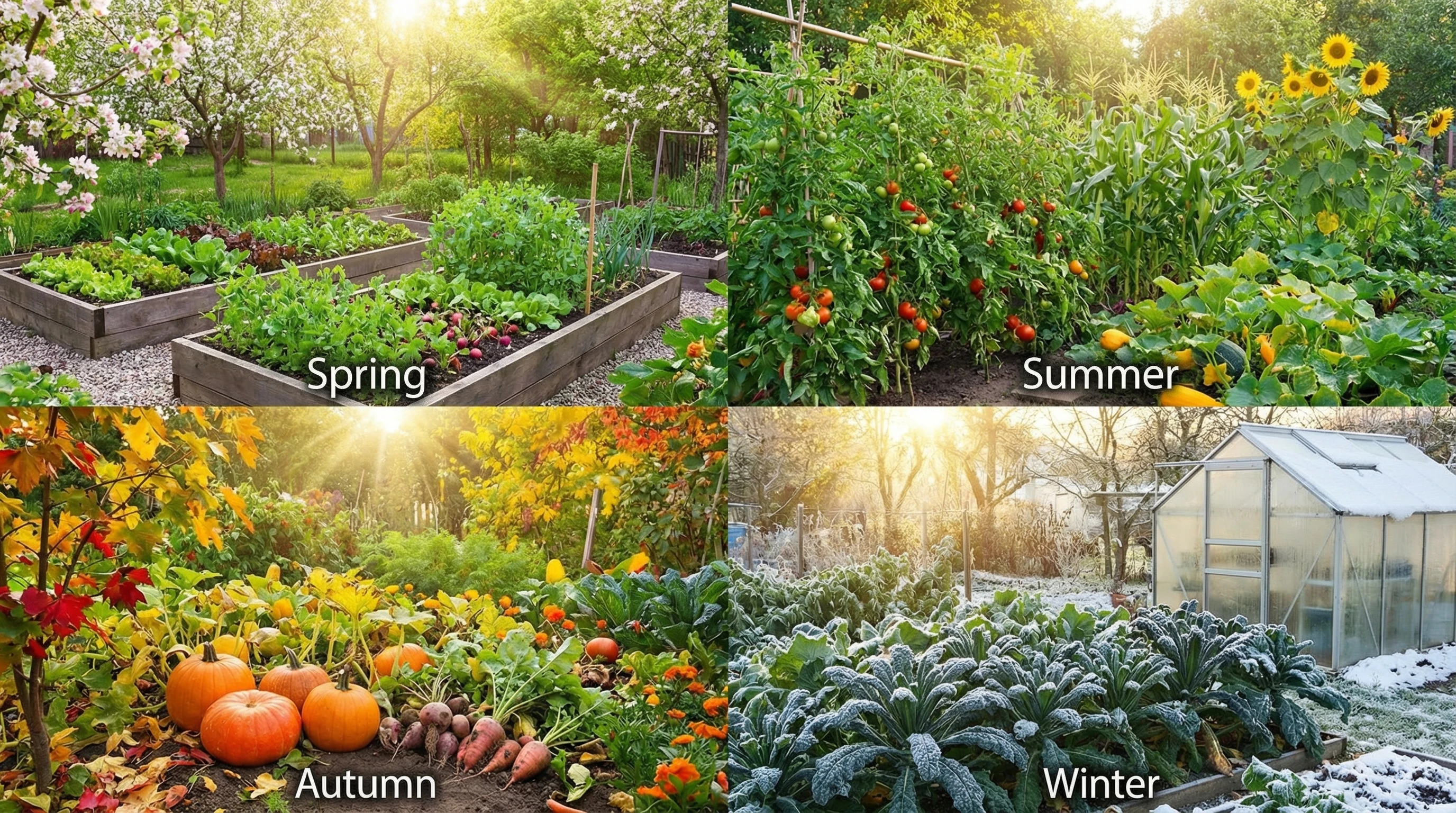
- Spring: Once soil is workable, start with peas, radishes, spinach, and hardy greens. When the danger of frost has passed, bring out your tomato, pepper, and cucumber transplants.
- Summer: Keep planting quickgrowing crops like lettuces and beans so you can pick fresh produce throughout the season. It’s also a great time to plant fall crops—by sowing broccoli or carrots mid-summer, you’ll have fresh veggies as temperatures cool down.
- Fall: Late summer and early fall are ideal for another round of cool weather crops. Cover your beds with light row covers, and you might even harvest well past sweater weather.
Tuning your plantings across the whole year is a clever way to get the most from your space, even if your garden is small.
Tips for Making the Most of Your Garden Seasons
There’s not a single right way to garden, but these tips help stretch out harvests and keep gardens going strong:
- Succession Planting: Instead of planting all your lettuce or radish seeds at once, plant a little every week or two. This smooths out the workload and lets you enjoy longer harvests.
- Interplanting: Grow quickmaturing crops (like radish or baby salad greens) between slowgrowing ones such as tomatoes. The fast crops are harvested just as the slow ones need space.
- Season Extension Tools: Tools like cold frames, floating row covers, or mulch can help you start a bit earlier in spring or stretch fall harvests later in the year.
- Direct Seeding vs. Transplanting: Cool season crops usually do well when direct seeded, while most warm season types prefer to be started indoors and then transplanted after the weather warms up.
Experimenting with these methods can help you track down what works best in your own space and with the veggies you love to eat.
Common Pitfalls and How to Avoid Them
Everyone slips up now and then, especially when starting out. Here are a few common gardening hiccups to watch for, plus tips to stay ahead:
- Planting Too Early: For warm season vegetables, cold soil will slow or even stop growth. Waiting just a little longer can mean a garden that jumps ahead instead of stalling out.
- Ignoring Frost Dates: A surprise frost can put an end to young plants overnight. Pay close attention to the forecast, and keep covers handy to protect your garden if needed.
- Planting All at Once: Sowing every seed at the same time might seem productive, but it leads to overwhelming harvests and garden chores. Plant in waves to keep things manageable.
- Not Planning for Fall: The late season can be full of garden rewards. Plant another round of greens or root crops midsummer, and you’ll dig up some of your tastiest, crispiest harvests in autumn.
Hardiness Zones and Climate: A Closer Look
While local garden centers offer plants suited for your area, not every seed packet fits every garden. The USDA Plant Hardiness Zone Map is a tool I check when matching plants and planting times to my garden’s conditions.
Hardiness zones in North America run from icy northern lands (Zone 3 and under) with short growing seasons, down to mild southern spots (Zone 10 and up), where gardening is a nearly yearround adventure. Matching your crops to your area’s reality can help you skip unnecessary headaches and grow more successfully.
If your growing season is on the short side (like in northern regions), start longseason crops indoors—tomatoes, peppers, and squash get a serious head start this way. Many seed suppliers list varieties that mature faster, so you can still enjoy a rewarding harvest even in a chillier spot.
RealLife Garden Examples
- Spring Salad Bed: With lettuce, radishes, spinach, and green onions planted early, you’ll have crunchy, colorful salads just weeks after starting.
- Summer Tomato Patch: Tomatoes started indoors move outside once frosts are past, quickly filling up with blossoms and fruits as the summer heat settles in.
- Autumn Carrot Row: Carrots sown in late July sweeten up in the cooling fall soil—and sometimes taste even better after a light frost or two.
Frequently Asked Questions
If you’re getting started or dialing in your garden routine, these quick answers can solve common puzzles:
Question: How do I find my hardiness zone?
Answer: Check trusted resources like the USDA Plant Hardiness Zone Map online. Other countries provide similar maps using their climate info—search for your region’s gardening guides.
Question: Can I plant vegetables before the last frost?
Answer: Absolutely! Many cool season crops (peas, spinach, kale) can handle cold spells. Always check the seed packet for guidance on how early you’re safe to plant.
Question: What’s the easiest way to track planting times?
Answer: Try keeping a garden journal, making notes in an online calendar, or using an app to log frost dates, starting schedules, and planting notes—all in one place. This makes it easy to improve your plan each year.
Wrapping Up Your Garden Plan
Mapping out your vegetable garden by the seasons puts you on the path to homegrown success. Getting a grip on frost dates, hardiness zones, and plant types will help you grow a healthier, more productive garden—and way more fun at harvest time.
Each year is a new adventure, and gardening is all about learning as you go. By paying attention to timing, you’ll get to pick crispy salads in spring, sunwarmed tomatoes in summer, and snack on sweet carrots and greens as autumn rolls around. Happy growing!