Getting your vegetable garden off to a good start really comes down to how well you prep your soil. Healthy soil gives your veggies all the nutrition, structure, and moisture they need for steady growth. Even if you’re a first-time gardener, a bit of soil TLC at the start sets you up for a garden that produces tasty, abundant crops all season.
Understanding Why Soil Prep Matters for Vegetables
Not all soil is ready for planting right out of the gate. Different plants have slightly different needs, but most vegetables like moisture that drains well and soils rich in organic matter. Unprepared soil can have poor structure, not enough nutrients, or drainage problems that stunt plant growth.
Soil quality can vary a lot, even between different parts of your own yard. While you don’t need super fancy testing equipment or an agricultural background, paying attention to things like texture, fertility, and drainage goes a long way toward better harvests. Plus, starting with good soil means less hassle fighting weeds or struggling with pests later on. Building up that foundation at the beginning saves effort throughout the growing season.
Checking Your Soil: Simple At-Home Tests
I like to begin with a few easy soil checks. Dig up a scoop of soil from where you want to plant and have a look:
- Texture Test: Rub a bit of moist soil between your fingers. Sandy soil feels gritty and falls apart; clay feels sticky and forms a ball; loam (the good stuff) feels something in between, crumbly but holds together.
- Drainage Test: Dig a hole about a foot deep, fill it with water, and see how long it takes to drain. Fast drainage points to sandy soils; slow drainage means more clay.
- pH Check: Most vegetables prefer soil that’s slightly acidic to neutral (about 6 to 7 on the pH scale). Cheap pH test kits or strips are available at garden centers or online. If the number is way off, you might need to adjust with lime (to raise pH) or sulfur (to lower it).
Taking the time to check these basics before planting saves frustration and helps you track down the exact tweaks your soil might need. If you skip this step, it’s hard to know why your plants might be struggling later on.
Step-by-Step: How to Prepare Your Garden Soil
Prepping soil can feel like a workout, but these steps pay off all season. Here’s how I get my beds garden ready every spring:
- Remove Old Plants and Debris: Pull up last season’s leftovers, weeds, and any large sticks or rocks. Clearing the area prevents diseases and gives you a clean slate for planting.
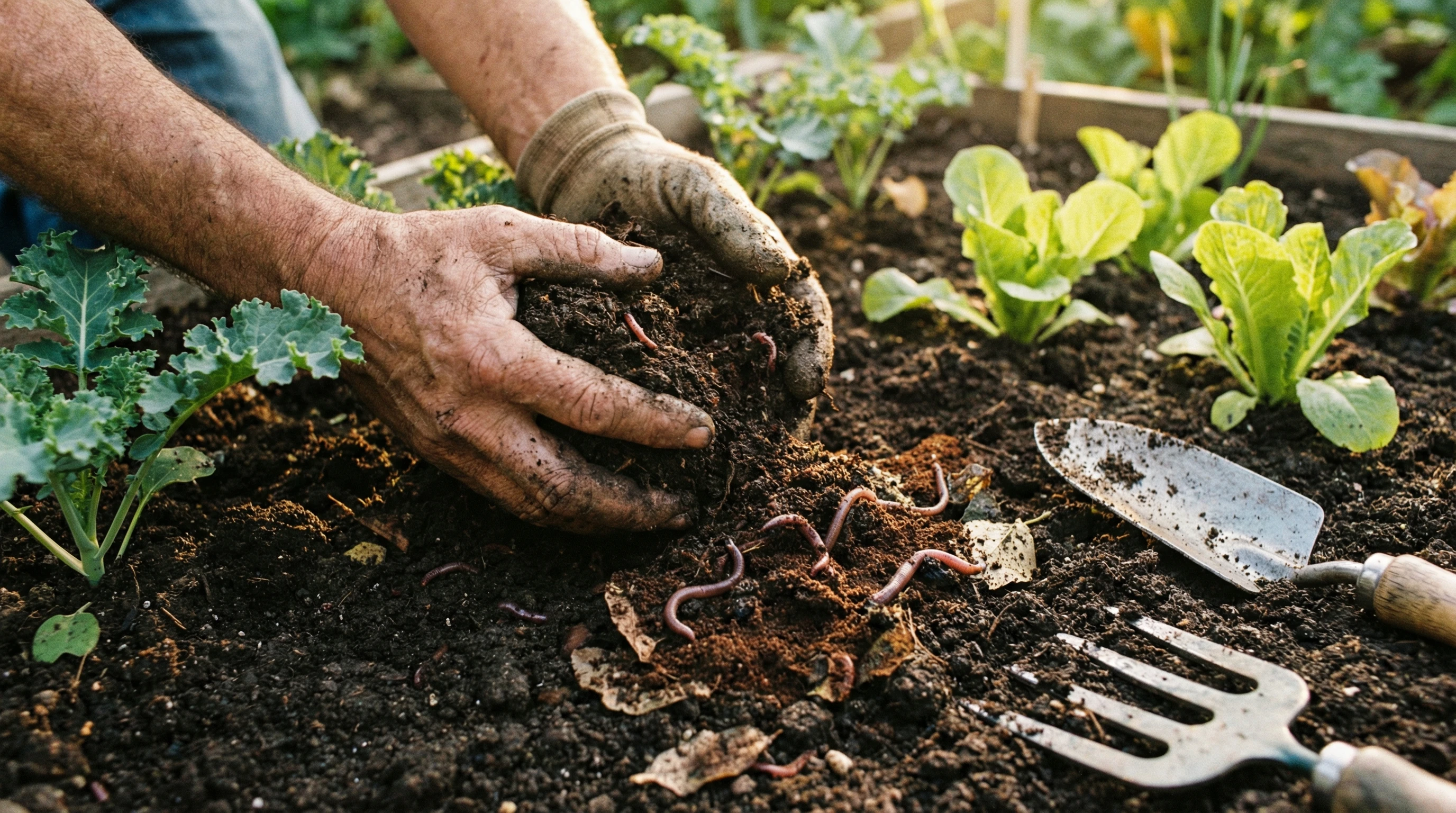
- Loosen and Turn the Soil: Use a shovel, garden fork, or tiller to break up the soil to about 8 to 12 inches deep. This approach helps roots grow freely and improves water movement. If your soil is heavy clay, working in some compost makes a huge difference for drainage and texture.
- Mix in Organic Matter: I find that homemade or bagged compost, well rotted manure, and even shredded leaves are all helpful. Spread a 2 to 3 inch layer over your bed and mix it thoroughly into the top several inches of soil. Organic matter improves nutrient content and supports helpful soil life.
- Add Soil Amendments, If Needed: If your soil test or plant history suggests something’s out of balance (like very low pH, depleted nutrients, or hard clay), this is the time to mix in lime, sulfur, or other amendments. Follow packaging directions and avoid overdoing it. A little goes a long way, and too much can set you back rather than help.
- Rake and Smooth the Surface: Once everything’s mixed in, use a rake to level the planting area and break up any large clumps. Smoother beds make it easier to sow seeds evenly.
A Few Problems and How to Tackle Them
Most gardens have a few quirks, but some issues pop up everywhere. Here’s what I run into most often and how I troubleshoot them:
- Too Much Clay: If the soil stays soggy, compacts when wet, or cracks when dry, clay might be the culprit. Work in plenty of compost, chopped straw, or coarse sand. Avoid walking on wet soil, since that makes compaction worse.
- Very Sandy Soil: Sandy ground drains fast but can dry out and lack nutrients. Mix in organic materials like compost, aged manure, or peat moss to boost moisture holding power and fertility.
- Soil Full of Rocks or Debris: For new beds or tough yards, picking out rocks and trash, or even using raised beds, makes growing easier. Raised beds also let you bring in good soil if your native soil feels beyond help.
- Persistent Weeds: Weeds are sneaky, especially before you plant. Cover the bed with a tarp or old cardboard for a few weeks to smother weed seeds. Pull any stragglers before you sow vegetables.
Improving Soil Year Over Year
Soil prep isn’t just a spring thing. Every season, I add a bit more compost or mulch, which keeps building up my soil’s health and structure over time. You don’t need to reinvent the wheel every year. Just keep adding organic matter and checking for compaction, and your garden gets better with each growing season.
Adding mulch in the fall and rechecking your beds before planting makes it easier to spot trouble early. Worms and soil life go to work all season, building better soil for the next planting. Keeping an eye out for changes helps you get a feel for what your garden beds need each year.
Advanced Soil Boosts for Maximum Growth
Once you’ve nailed the basics, there are a couple more things to try:
Soil Testing Labs: Home tests are a good start, but lab tests can give you a super detailed rundown of what your soil might be missing. Extension offices or garden centers in many areas offer affordable services. These results help you fine-tune what you add, reducing guesswork and helping every plant thrive.
Cover Crops: Planting cover crops (like clover or rye) in fall or between veggie harvests is a good way to fix nitrogen, improve soil texture, and reduce erosion. Cover crops not only feed the soil as they decompose but also help prevent weeds from getting established.
Mulching: I always spread a few inches of mulch (like straw, wood chips, or shredded leaves) on top of planted beds. This step keeps soil moisture steady and helps keep weeds down while feeding the soil as it breaks down. Mulch also moderates temperature swings and protects soil from heavy rains.
Beginner Friendly Tools for Soil Preparation
- Garden Fork or Spade: For loosening and turning soil.
- Rake: To smooth and level beds after mixing in compost or amendments.
- Gloves: Basic gear, but they make weeding and digging much easier on your hands.
- Compost Bin or Pile: Not absolutely required, but super handy for ongoing soil improvement and less kitchen waste. Turning scraps into black gold is a satisfying way to keep the soil rich year after year.
Other tools can be useful, like a soil knife for tight spaces or a wheelbarrow for hauling compost. But for most gardeners, the basics will get the job done and set you up for a satisfying season.
Frequently Asked Questions
Question: What’s the easiest way to improve poor soil before planting?
Answer: Mixing in a couple of inches of quality compost is probably the most effective single step. Compost adds nutrients, improves structure, and helps with both sandy and clay soils. It’s a quick way to give any garden bed a boost, even for new gardeners.
Question: How soon before planting should I prepare my soil?
Answer: Prepping a few weeks before planting gives amendments a chance to settle and makes weeding ahead of time easier. If you’re short on time, prepping right before planting still gives a big boost compared to skipping it. The goal is to work the soil when it is moist but not waterlogged, so you don’t end up compacting it accidentally.
Question: Should I use fertilizer as well as compost?
Answer: Compost may cover most needs for leaf and root vegetables, but fruiting crops (like tomatoes and peppers) sometimes like a balanced, slow release fertilizer too. Follow package instructions, and don’t feel pressured to overdo it; too much fertilizer can actually cause problems such as burning roots or encouraging lush leaves with little fruit.
Final Thoughts on Laying the Groundwork for a Healthy Vegetable Garden
Taking care of your garden soil is something you’ll never regret. Healthy, rich soil keeps everything thriving, reduces headaches from pests and weeds, and makes gardening a whole lot more rewarding. Even a couple of weekends spent improving your dirt pays off with crisp lettuce, juicy tomatoes, and armfuls of homegrown veggies. All it really takes is a bit of observation, a shovel or fork, and some organic matter to turn any patch of ground into a place your veggies will absolutely love. The simple habits you build now can lead to years of bountiful harvests and gardening pride for seasons to come.