Epsom salt pops up a lot in gardening circles, especially when folks start talking about tomato plants. Maybe you’ve heard someone swear by it for bigger fruit or lush green leaves. It’s easy to see why this idea stuck around. Epsom salt is affordable, simple to find, and gardeners always look for new ways to give their tomato harvest a boost. I’ve seen so much chatter about it in online groups and forums that it felt worth pulling everything together for anyone trying to figure out what’s hype and what’s fact about Epsom salt and tomatoes.
Where Did the Epsom Salt Tomato Trend Come From?
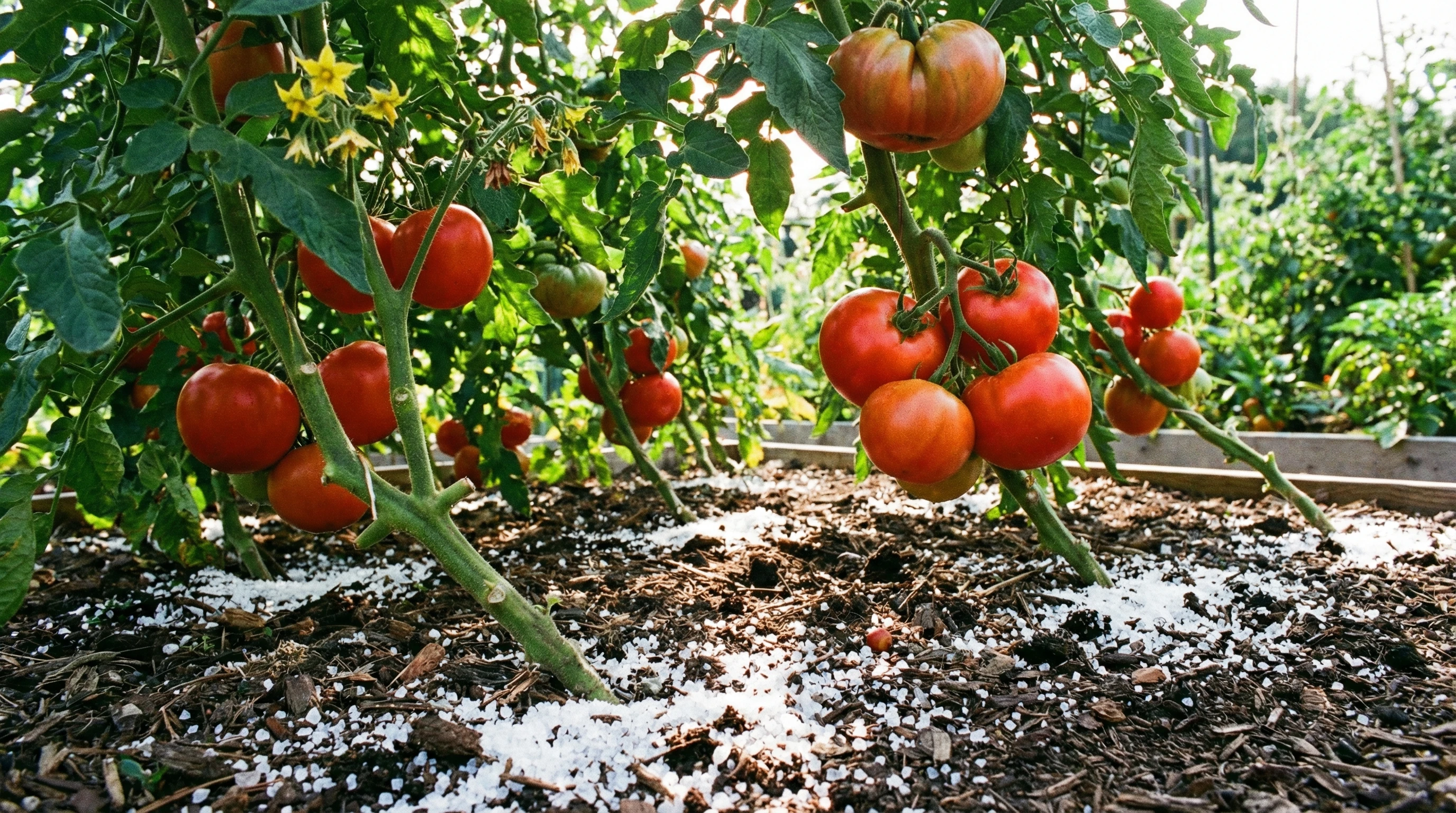
The idea that Epsom salt is good for tomatoes isn’t new; it’s been around for decades. Epsom salt is just magnesium sulfate, a mineral combination that does have real uses in the garden when matched to the right needs. The theory says tomatoes can benefit from magnesium in the soil, which might lead to better fruit and greener leaves.
The common story is that adding a tablespoon or two to tomato plants—at planting time or during growth—helps solve issues like yellowing leaves and blossom end rot. Plenty of social media posts and classic gardening books mention Epsom salt as a magic fix, but research tells a more detailed story.
Digging Into How Tomatoes Actually Use Magnesium and Sulfur
Plants need both magnesium and sulfur, the two nutrients in Epsom salt. Magnesium is key for photosynthesis, the way plants make their food from sunlight, and sulfur helps produce strong, healthy enzymes and amino acids. Tomatoes, just like other plants, don’t do well if either nutrient is missing. This is why some gardeners think that a sprinkle of Epsom salt could help their crops. But there’s a catch.
Most garden soils already contain enough magnesium or get it through regular fertilizer mixes. Before throwing Epsom salt around, it’s smart to check if your soil actually needs it. Soil tests are simple to get at most garden centers or local university extensions. They let you know if you’re short on magnesium. If your soil isn’t missing it, adding more Epsom salt won’t do much good, and too much might actually do harm.
Epsom Salt Benefits for Tomatoes: Sorting Fact from Fiction
This is where things get interesting. Here’s what I’ve found after digging into research, talking with experienced growers, and experimenting in my own backyard:
- Bigger, Healthier Plants? There isn’t proof that Epsom salt alone makes tomatoes grow faster or bear more fruit if your soil already contains enough magnesium. With a true deficiency, it can help; otherwise, you might just be adding extra salt.
- Fixing Yellow Leaves? Yellow leaves usually come from unrelated problems such as overwatering, root stress, or an overall nutrient imbalance—not just magnesium shortages. Epsom salt won’t solve basic watering or soil issues.
- Preventing Blossom End Rot? This myth keeps popping up. Blossom end rot is tied to calcium uptake, not magnesium. So, Epsom salt won’t prevent that problem. It’s all about keeping steady moisture and good calcium levels.
- Green, Vibrant Leaves? If your soil is genuinely low in magnesium, Epsom salt can perk up your plants. But with balanced soil, you won’t see a big change—and dumping on too much Epsom salt could throw off other nutrients in the soil.
What Science and Experts Say About Epsom Salt in the Garden
The main point that shows up again and again: while Epsom salt can provide magnesium, most garden soils aren’t lacking. Expert sources, like the University of Minnesota Extension, say the best way to know if your plants need a boost is to get your soil tested. If you want to check out their deeper dive into the science, you can read it here.
Gardeners do see improvements when there is a real magnesium shortage, but these cases are the exception. On big farms, soil testing guides all fertilizer decisions, and home gardeners can get the same benefits from this simple step. Otherwise, adding anything extra (salt included) can actually mess up the balance and slow plant growth.
Potential Downsides Most People Don’t Know About
- Soil Health: Using too much Epsom salt leads to a salt build-up in the soil, which hurts soil structure and can make it harder for tomato plants to soak up water.
- Nutrient Imbalance: Overdoing magnesium can block plants from picking up other nutrients like calcium and potassium. That might create new problems.
- Environmental Impact: Extra Epsom salt can wash out of the garden and into nearby waterways, which is something to watch out for. Using only what’s needed keeps your garden and the environment in better shape.
Real Ways to Keep Tomato Plants Thriving (Without Relying on Epsom Salt)
Success with tomatoes comes down to a few tried-and-true gardening habits. Here are the basics that will give your plants the best shot:
- Test Your Soil Regularly: Figure out what nutrients are actually missing. A quick soil test helps you pick the right fertilizer and amendments for your tomatoes.
- Water Wisely: Deep, consistent watering builds stronger roots and lets plants access nutrients more easily. Uneven watering can cause problems, including blossom end rot.
- Add Organic Matter: Mixing in compost boosts soil nutrients and keeps the soil in top shape. Over time, healthy soil naturally fixes small plant nutrient shortages.
- Don’t Skip the Mulch: Mulching retains moisture, controls weeds, and shields roots from temperature swings.
What About Foliar Sprays or Epsom Salt Soaks?
People often ask if foliar sprays or soaks work differently. Spraying Epsom salt solution on leaves can deliver magnesium quickly, but only if there’s a true deficiency. For most home gardens, this step isn’t necessary. You’re most likely to see benefits only if a soil test shows the need for magnesium, and that’s pretty rare. Otherwise, spraying just adds extra work without much payoff.
Common Tomato Issues Often Mistaken for Magnesium Deficiency
Trouble signs like yellowing leaves, blotchy fruit, or weak growth have lots of potential causes: watering problems, root injuries, uneven feeding, or disease. Magnesium deficiency has a certain look—older leaves turn yellow between the veins, but the leaf edges stay green. But even then, mix-ups are common. That’s why it’s worth testing soil (and sometimes plant tissue) to be sure, saving you guesswork and unnecessary treatments.
Quick Tips for Tomato Growing Without Falling for Myths
- Get That Soil Test: It quickly shows if you’re missing any nutrients; guessing just wastes time and money.
- Feed With a Balanced Fertilizer: Use fertilizer blends made for tomatoes, offering all the important elements—nitrogen, phosphorus, potassium, plus calcium, and small amounts of other nutrients.
- Keep Things Consistent: Regular care—watering on the same days, pruning as needed, and feeding on schedule—makes a big difference to tomatoes.
- Watch the Weather: Stress from heat waves or cool spells can affect how your plants absorb nutrients and grow, no matter what’s in the soil.
- Experiment Carefully: If you’re curious about Epsom salt, try it on a small patch first and see if you notice any improvement before spreading it everywhere.
Frequently Asked Questions
Question: Does Epsom salt make tomatoes sweeter or larger?
Answer: There’s no proof that Epsom salt directly improves taste or size unless your soil was missing magnesium in the first place. Other factors, like sunlight, steady watering, and balanced nutrition, do much more for your tomatoes’ flavor and size.
Question: How do you know if tomato plants need magnesium?
Answer: If you see yellowing between the veins on older leaves but the edges stay green, magnesium could be low. Still, doing a soil test is the best way to be sure.
Question: Is Epsom salt bad for tomato plants?
Answer: Not if you use it correctly, and only when necessary. Too much, though, brings risks—especially for soil balances and long-term health of your tomatoes.
Finding the Right Balance for Successful Tomato Growing
Sorting out facts from gardening myths is just part of growing tomatoes. Epsom salt can help a little—but that’s a rare need for most gardens. Healthy soil, balanced fertilizer, and steady care bring much better results than searching for miracle solutions. Doing your homework lets you spend your energy and garden budget where it counts. If you stick with the basics and ignore myths, your tomato patch will reward you with a big, tasty harvest—no magic required.