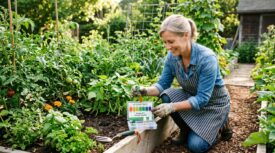
Soil pH can make or break a garden. If plants aren’t thriving, pH might be the secret factor at play. I get why it sometimes feels like chemistry class, but you don’t need to be a scientist to figure this out. I’m going to share what soil pH actually is, why it matters for your plants, how you can test it at home, and the best ways to boost or lower it with stuff that’s pretty easy to find. Just getting started? Learn more at Understanding Soil Basics.
Understanding Soil pH: What Is It and Why Does It Matter?
Soil pH is just a measure of how acidic or alkaline your soil is. This is done on a scale from 0 to 14, with 7 being neutral. Anything below 7 means your soil’s on the acidic side, and anything above 7 means it’s alkaline. You might see this labeled as “sour” or “sweet” soil in some old gardening books, but it’s really about the numbers.
Plants soak up nutrients best in certain pH ranges. Having the wrong pH can tie up important nutrients in the soil, and no amount of fertilizing can fix that until the pH moves into the right spot. For most vegetables and garden flowers, a pH between 6.0 and 7.0 hits the sweet spot. Blueberries, azaleas, and rhododendrons are happy with more acidic soil (as low as 4.5), while asparagus or lilacs can handle soil that’s a bit more alkaline.
Soil pH isn’t just about what’s already in the ground; it can change over time with rain, fertilizer, compost, or even the plants growing there. If you notice plants looking pale, stunted, or just generally cranky, checking your pH is a good place to start troubleshooting.
Getting Started: How to Test Soil pH at Home
The best way to find out your soil’s pH is to test it. You don’t have to send dirt to a fancy lab, though you can if you want super detailed info. Here are three practical ways I’ve tested pH myself:
- Soil pH Test Kits: You’ll find these at most garden centers and online. Basically, you mix some of your soil with water, add a powder or liquid, and it changes color. Compare the color to the chart in the kit for an idea of your pH.
- Electronic Soil Meter: These meters are quick to use and super reusable. Just stick the probe in damp soil and read the dial, pretty handy for checking different spots in your yard.
- Homemade Vinegar and Baking Soda Test: If you’re just curious, grab a scoop of wet soil and pour vinegar on it. If it fizzes, your soil’s alkaline. No fizz? Try adding water then baking soda, fizz means acidic soil. This is less precise but can still point you in the right direction.
No matter what method you use, take samples from a few different spots and mix them together. Your results will be a lot more reliable that way.
Quick Guide: How to Adjust Soil pH for Your Plants
Changing your soil’s pH isn’t a once-and-done deal. It takes a bit of time and sometimes a few tries. Here are some steps I recommend for adjusting soil pH safely and effectively:
- Test First: Always start with a test. Guessing rarely works, since yards (and even different garden beds) can have very different pH levels.
- Add Amendments Gradually: It’s best to make small changes and test again after each step. Big changes can shock your plants.
- Pick the Right Product: If you’re raising pH, you’ll need lime (either ground limestone or dolomitic lime). To lower pH, sulfur or peat moss is often used. More on those options below.
- Mix It In: Amendments work best when mixed into the top 6 to 8 inches of soil. If you’re working around established plants, apply amendments gently around the dripline and water them in.
- Retest: Wait at least a few weeks (sometimes up to a few months) and check your pH again. Adjust as needed based on your results.
Factors That Can Change Your Soil pH (and Why They Matter)
Lots of things slowly switch up your soil’s pH without you even noticing. Here are the most common reasons I see when pH drifts from its natural level:
- Rainfall: Heavy rain tends to wash out basic elements like calcium, leaving behind more acidic materials. That’s why soils in rainy regions are usually more acidic than in dry, arid areas.
- Plant Residue and Compost: Adding lots of organic material like compost, manure, or mulch usually makes soil more acidic as it breaks down, especially pine needles and oak leaves. Some composts, though, can be alkaline, worth checking your batch if you use homemade compost.
- Fertilizer: Fertilizers can move your pH up or down depending on what’s in them. Ammonium-based fertilizers usually lower pH (making soil more acidic), while lime-based soil “sweeteners” raise it.
- Water Source: If you’re watering with hard water (full of minerals), your soil can become more alkaline over time. If you use rainwater or distilled water, this usually isn’t a problem.
- Soil Type: Sandy soils are easier to change and respond faster to amendments, but need more frequent adjustments. Clay soils resist change and need bigger doses of amendments to budge the pH at all.
Smaller gardens sometimes react quicker to these changes, while larger or heavy soils need more time and attention. Keeping an eye out for changes as the seasons roll by really makes a difference.
Soil pH Challenges for Home Gardeners
Soil pH isn’t always simple to switch up, especially if your yard is really big, super compacted, or has years of poor treatment. Here are a few challenges I’ve run into, and some ideas for working through them:
- Uneven Soil pH in Different Spots: One part of your yard might be perfect while another is way off. Take multiple samples, keep notes, and treat each area as needed.
- Slow Response: After adding lime or sulfur, soil can take weeks or months to fully react, especially in clay-heavy beds. Be patient and keep testing each season.
- Existing Plants: Adjusting pH without disturbing roots can be tricky. Make changes gradually and stay on the gentler side if you’re worried about your favorite shrubs or veggies.
- Overdoing It: Swinging pH too far in either direction is tough to fix. I always start with less, retest, and only add more if needed.
If your garden struggles with these, don’t be discouraged. Tracking your changes and staying consistent with small updates can help make any garden better over time.
Choosing Amendments to Raise or Lower Soil pH
There are lots of products out there, but here are some tried and true options I’ve found super useful:
- Lime (to Raise pH): This is a powder or pellet made from ground limestone. Dolomitic limestone gives a boost of magnesium, which is handy for soils lacking that nutrient. Look for garden lime at any home improvement store.
- Wood Ash (to Raise pH): If you have a wood stove or fireplace, ash can move pH upward quickly. Be careful not to use too much, since it’s strong stuff.
- Elemental Sulfur (to Lower pH): Powdered sulfur is a classic choice for gardeners and is pretty gentle if used in moderation. It takes a while to work, usually several weeks or months.
- Peat Moss (to Lower pH): Mixing peat moss into beds is great for acid loving plants. It’s a bit spendy and not the most ecofriendly, so use sparingly.
- Aluminum Sulfate & Iron Sulfate (to Lower pH Fast): These act more quickly but should be used carefully. Too much can harm plants or leave salts in the soil.
Each option works best for particular situations—so always match your choice to your specific plant needs and your garden’s makeup.
Real-World Example: Blueberries vs. Tomatoes
If you grow blueberries and tomatoes in the same yard, you’ll know they ask for totally different pH zones. Blueberries are happiest at 4.5–5.5, and even tap water can push the pH up too far for them. Tomatoes perform best around 6.2–6.8. I keep blueberry beds separate, use pine mulch and peat moss for them, and avoid adding lime or ashes anywhere near those plants. Meanwhile, lime goes right into tomato beds at planting time in my garden.
By tuning in to the needs of different plants, it becomes easier to get the most from each crop. A garden split into “zones” for acidic and less acidic plants helps keep everything happy and healthy.
Frequently Asked Questions
These are some of the most common soil pH questions I get from gardeners and friends:
Question: How often should I test my soil pH?
Answer: Testing once every year or two is fine for most gardens. If you notice plants struggling or after heavy fertilizer use, it’s worth checking sooner.
Question: Can I use vinegar or coffee grounds to acidify my soil?
Answer: Vinegar works fast but is short-lived and can damage plants if overdone. Coffee grounds have only a mild acidic effect, and you’d need a huge amount to really change pH. Use products designed for gardens for more lasting results.
Question: Will mulch change my soil pH a lot?
Answer: Most mulch shifts pH very slowly. Pine needles, leaves, or bark can slightly acidify your soil over time. Wood mulch won’t make a huge difference unless you add tons of it and let it break down for years.
Question: If my soil is alkaline, can I still grow veggies?
Answer: Lots of veggies will still grow if your soil is slightly alkaline, but you might see some yellowing or poor growth if it goes much above 7.2. Acidifying amendments or growing in raised beds with new soil is a good way to get around tough spots.
Final Thoughts
Soil pH is one of those things that sounds way more complicated than it actually is. A cheap test kit, a little patience, and some basic amendments are all you really need to master it. Even small changes can make a big difference for your plants’ health and your harvest. Give your soil a quick check, make a few tweaks, and watch your garden come alive. Happy growing!