
Keeping a vegetable garden healthy can feel like a full-time hobby, especially when pests seem determined to crash the party. I’ve learned that you don’t need to reach for chemical sprays every time you spot a chewed leaf or a row of stunted seedlings. Natural pest control methods help balance your garden’s ecosystem while still protecting your harvest. Here’s how I approach keeping the bugs from eating all the veggies, using nature’s own tricks.
Why Choose Natural Pest Control?
Natural pest control isn’t just about avoiding chemicals; although that’s a bonus if you’re looking for safer veggies and fewer worries about kids or pets in the yard. Over time, chemical sprays can harm pollinators, upset the soil’s health, and kill off beneficial bugs. When I switched to natural methods, I found my garden humming with bees and ladybugs, and I got better crops in return.
Organic gardening is becoming more popular as people care about what goes on their food and into their soil. Plenty of experienced growers rely on nature-based solutions and see fewer pest outbreaks each year as their gardens become healthier and more balanced. Plus, the satisfaction of watching birds, bees, and butterflies flutter through your vegetable patch is unbeatable. Choosing natural pest control supports a broader ecosystem and helps avoid the chemical buildup that can result from constant spraying, keeping your outdoor space lively and eye-catching.
Understanding Common Vegetable Garden Pests
To protect your veggies, it helps to know who’s likely to show up for a snack. Here’s a quick intro to some common garden pests:
- Aphids: Tiny green, black, or gray bugs that cluster on plant stems and leaves. They suck sap and can quickly weaken plants.
- Cabbage worms and loopers: Green caterpillars that like to hide on the underside of cabbage, broccoli, and kale leaves.
- Slugs and snails: These creatures come out at night to chew on new seedlings and leafy greens.
- Squash bugs: Flat, brown insects that cause wilting and black spots, especially on squash and pumpkins.
- Cutworms: Fat, grayish caterpillars that cut down young seedlings at soil level overnight.
Every garden will face a different mix of pests, depending on what you grow and where you live. Some gardeners may also encounter spider mites, flea beetles, or leaf miners, so it pays to look around your beds frequently and get a feel for who’s lurking among your crops.
Setting Up Your Garden to Prevent Pests
Stopping pests before they become a problem saves a lot of work later. I start with these steps to give my veggies a strong start:
- Select healthy plants: Only use diseasefree seeds and transplants. Stressed or weak plants attract more pests.
- Rotate crops: Switching plant families around each year makes it harder for bugs to move in and multiply, so your soil remains productive and less bug-prone.
- Add mulch: Mulches such as straw or wood chips keep soil moisture steady and make it tougher for some pests, like cutworms, to get around.
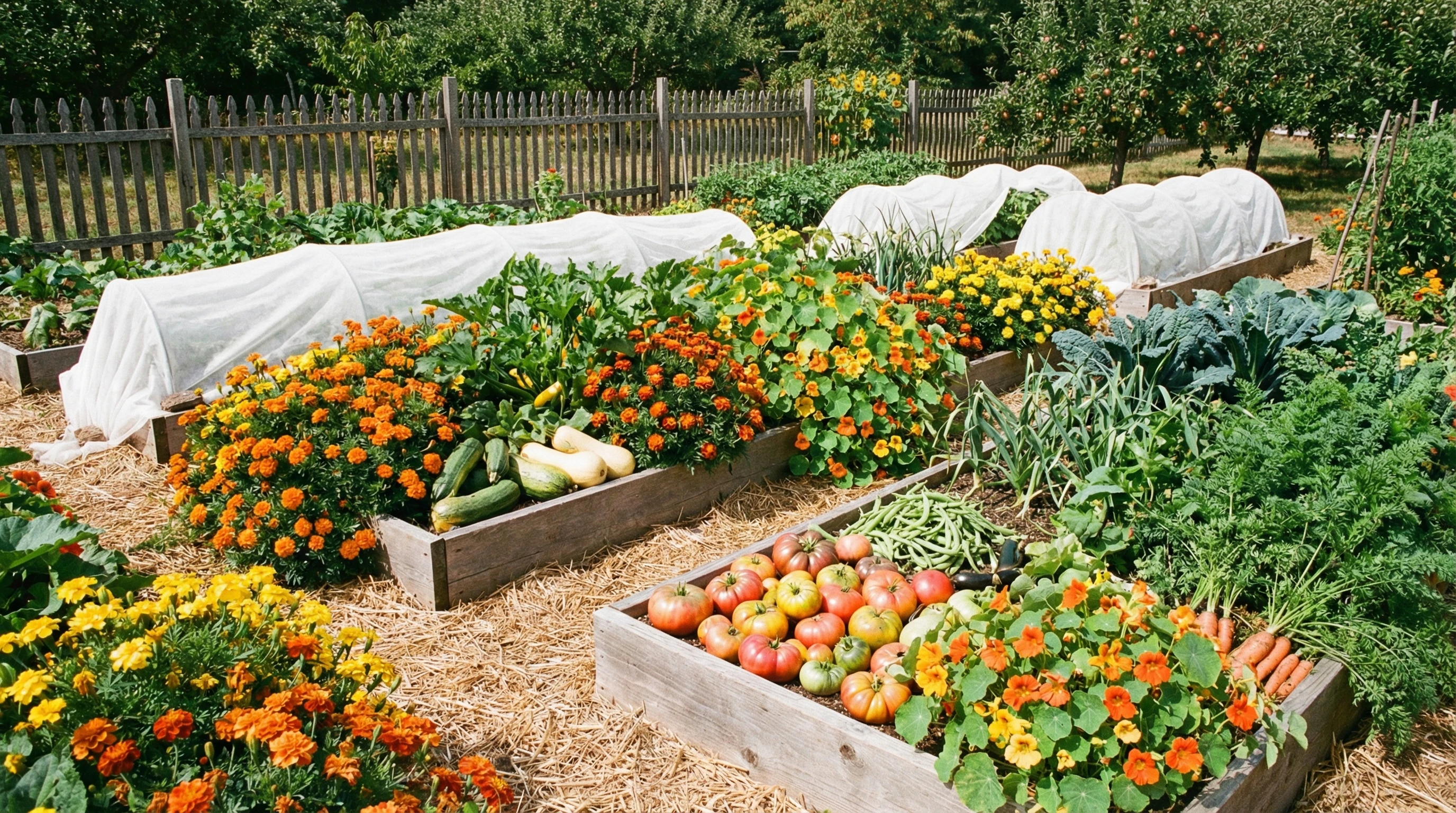
- Encourage beneficial insects: Planting flowers like calendula, alyssum, or dill nearby brings in ladybugs and lacewings, which munch on aphids and other bad bugs.
- Clean up garden debris: Old plant material can be a hideout for insect eggs or disease. Pull it out at the season’s end and compost healthy debris away from your veggie beds.
Getting these basics in place can lower pest numbers dramatically; in fact, combining several of these practices makes it more likely your garden stays healthy all season. Try adding garden paths or spacing plants so air can move freely; this makes it harder for mildew and fungal pests to move in. Healthy soil, good watering habits, and regular observation are your best friends in the garden.
Natural Pest Control Methods That Work
When pests still slip through, I have a goto list of natural fixes that really help:
- Handpicking: This classic, lowtech trick works great on big bugs like tomato hornworms or squash bugs. Drop pests in a bucket of soapy water. It sounds simple, but a quick daily walk in the garden with a keen eye can make a big dent in the population.
- Physical barriers: Floating row covers, netting, or finemesh screen keep flying insects like cabbage moths from laying eggs on the plants. Just be sure to remove covers during flowering so pollinators can access your crops.
- Diatomaceous earth: Sprinkling this powdery mineral around plant bases makes the ground scratchy and deadly to softbodied pests like slugs and certain grubs. It doesn’t bother most beneficial bugs or pets when used as directed.
- Neem oil spray: This natural product (pressed from neem tree seeds) disrupts insects’ feeding and breeding. It’s handy against aphids, whiteflies, and more. Dilute it according to directions and spray in the evening to avoid harming bees.
- Homemade soap spray: Mix a couple drops of mild, unscented dish soap in a quart of water and spray on leaves with aphids or mites. The soap breaks down softbodied pests without leaving harmful residue.
- Beer traps for slugs and snails: Sink a shallow cup in the soil and fill with beer. Slugs are drawn in and can’t get back out. This is a pretty classic trick at my place, and it really cuts down on chewed lettuce.
I always recommend trying these methods in small batches first, especially with sprays. Watch how your plants respond and adjust as needed. For bigger spaces, get creative with recycled materials; old net curtains, mesh laundry bags, or even upside-down flower pots can make quick covers or traps for pests.
Encouraging Natural Predators
Not all bugs are bad; actually, most aren’t. Some, like ladybugs and praying mantises, are your best defense against pests. Here’s how I make my garden inviting for these helpful creatures:
- Grow a mix of flowers nearby. Plants like dill, fennel, marigold, and yarrow bring in pollinators and hunters.
- Add rock piles or small stacks of sticks, which give hunting spiders and ground beetles a safe place to hide during the day.
- Avoid broadspectrum pesticides. These kill “good” and “bad” bugs equally, wrecking the natural balance.
- Let some wild corners remain. Unmown grass or untrimmed hedges attract in secteating birds and toads. These animal allies can help keep pest numbers in check, too.
With a bit of patience, the natural pest population starts to tip in your favor. Encourage birds by including a water source or a birdbath, and leave leaf litter or broken pots for shelter. You might even stumble upon frogs, toads, or beneficial snakes taking up residence—that’s a sign your garden is healthy and well-balanced.
Common Challenges and Quick Fixes
Even with good planning, problems pop up. Here’s what I look out for, and how to deal with them naturally:
- Sudden aphid outbreaks: Knock aphids off with a blast from the hose. If they keep coming, try soap spray, then encourage ladybugs into your garden by planting flowers nearby.
- Caterpillars on leafy vegetables: Pick them off or cover crops with lightweight row covers as soon as they go into the ground.
- Persistent slugs: Beer traps, crushed eggshells, or copper tape around beds make great deterrents. For extra effectiveness, water in the morning so soil dries out by night, making it less slug-friendly.
- Crowding and weak plants: Thin out dense patches, as overcrowded plants struggle and attract pests faster. Provide plenty of light and airflow for robust growth, which makes plants less appetizing to invaders.
It takes consistency and observation, but natural pest control is very doable with these tactics. Tracking garden issues in a notebook can help you spot patterns, and quick action often prevents a minor pest from becoming a major problem.
Extra Tips for a Healthy Organic Garden
Keeping your garden healthy is the best defense of all. I’ve found these steps really help keep pests at bay and boost plant growth:
- Enrich soil with compost or organic fertilizers. Strong plants can fend off pests easier than weak ones.
- Water early in the morning, aiming for the soil rather than leaves. Wet foliage can attract fungus and some insects.
- Mix up your plantings. Interplanting flowers and herbs between veggies confuses pests, making it harder for them to settle in.
- Harvest regularly to avoid overripe produce, which draws fruit flies and beetles fast.
- Try companion planting; some combos such as tomatoes and basil help each other grow and may repel pests naturally. Letting some herbs bloom adds extra variety and draws in more helpful insects.
Thinking ahead and keeping things diverse pays off over the growing season. If you’re short on space, try container gardening or vertical setups to better control pests and create more eye-catching layers of plants. A healthy garden is an ongoing project, so be sure to refresh compost and soil amendments each spring and keep an eye on plant health throughout the year.
Frequently Asked Questions
I get lots of questions from newer gardeners curious about going natural. Here are some of the most common ones:
Question: Will using natural pest control methods really work, or are chemicals the only way?
Answer: In my experience, natural methods are very effective if you use a mix of prevention, quick fixes, and keep your garden healthy. It may take a season or two for the balance to kick in, but you get healthier soil and tastier veggies along the way.
Question: Aren’t ladybugs hard to attract? Do I have to buy them?
Answer: Planting flowers like dill, fennel, or yarrow close to your veggies usually does the job. Sometimes I see more ladybug larvae than actual adults, and those little guys eat even more pests. You can buy ladybugs to release, but most gardens attract them naturally with a good flower mix.
Question: What if one plant keeps getting hit every year, no matter what I try?
Answer: Try crop rotation: swap its spot with a totally different veggie next season. For stubborn pest hotspots, solarize the soil with clear plastic over the bed in summer, or switch plants for a year or two to break up the pests’ cycle.
The Key to a Thriving Garden
Protecting your vegetable garden naturally is about creating an environment where plants, people, and helpful bugs thrive together. It takes some patience, plenty of observation, and little tweaks from year to year, but the payoff is fresh, safe harvests and a buzzing, beautiful garden space. I’ve found that sometimes the best solution is nature itself; you just have to help it along. Step back, watch closely, and act early when needed—your future self (and your plants) will thank you for working with nature instead of against it.