Deciding on the right garden design can really change the way you feel about your outdoor space. I know that with so many styles, plants, and layouts out there, the process can be pretty overwhelming, especially if you’re starting out or haven’t tackled a big landscaping project before. I’ll share what I’ve learned through a mix of research, hands-on experience, and stories from fellow gardeners to help you make solid choices for your own garden goals.
Why Garden Design Matters
Garden design isn’t just about picking pretty flowers or adding a few shrubs. The right layout creates a space that feels relaxing, reflects your personality, and even improves your home’s value. Wellplanned gardens use everything from shapes and colors to structure and function to make your yard a place you’ll actually want to spend time in. According to the Landscape Institute, a welldesigned garden can lift your property’s value and boost well-being. That’s why it pays off to approach garden planning with both excitement and a practical mindset.
History shows there’s no single formula for the “perfect” garden. Look at the lush, natural feel of the English cottage style, then compare it to the clean, tidy look of a modern minimalist garden. Both are beautiful, but each serves different needs and personal tastes. Knowing what you like and how you want to use your space is the first step.
Getting Started: Defining Your Garden Goals
Your garden should fit your lifestyle. For some people, that means creating an outdoor oasis for entertaining. Others look for a space to grow their own veggies or a safe spot for kids to play. Spend a little time thinking about what you want your garden to do for you; this step sets the tone for your whole design.
These questions can help you set clear goals:
- How do I plan to use my garden? (Relaxation, dining, kidfriendly area, growing food?)
- How much maintenance am I up for? (Some people love the process, others prefer lowkey setups.)
- What’s my budget? (It helps to know this upfront so you don’t stretch yourself too thin.)
- Do I want the garden to be formal, informal, or somewhere in between?
Figuring out your priorities makes the actual design part much easier.
Understanding Key Garden Design Elements
All great gardens pay attention to a few basic elements that tie everything together. These are the tools I use to get a design to “click,” even for small spaces or simple budgets.
- Layout and structure: Paths, patios, raised beds, fences, and even lawns create the “bones” or framework. Deciding where these go is a big first step.
- Plant choices: Picking flowers, shrubs, trees, or groundcover starts with thinking about your climate, sunlight, soil, and water availability. Native plants are super lowmaintenance and draw in local pollinators.
- Color scheme: Cool colors like blue and purple can feel calming, while warm colors like red and orange pack energy. Mixing foliage shapes and sizes keeps things interesting year-round.
- Focal points: Water features, sculptures, statement trees, or a garden bench give your eye something to land on.
- Transitions and boundaries: Hedges, low fences, or arbors can mark out different “zones” within your garden, helping even a small yard feel spacious and organized.
You don’t need a professional skillset to use these; just some curiosity and a willingness to play around with ideas. Try sketching out your own ideas, then look around your neighborhood or favorite parks to spot features that speak to you.
Finding Your Garden Style
There’s no right or wrong style, but here are some of the most popular types to get your imagination going:
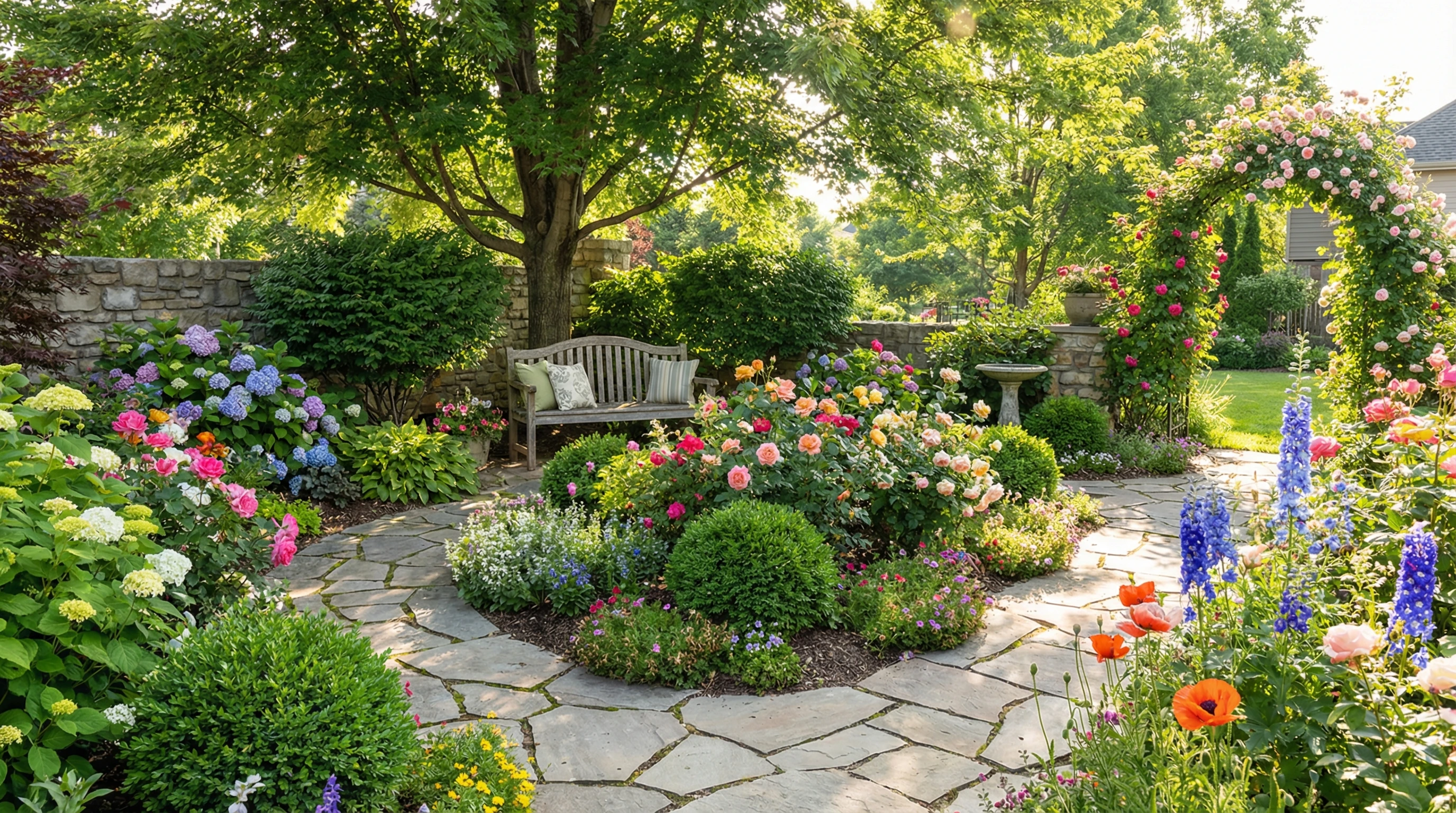
- Cottage garden: Overflowing beds, winding paths, and a mix of perennials and annuals. Super inviting and relaxed, great if you love color and wildlife.
- Minimalist/modern design: Clean lines, geometric shapes, restrained plant palettes, and easycare spaces. Ideal for busy lifestyles or people who prefer order over wild abundance.
- Wildlife or pollinator gardens: Use mainly native plants, let things grow more loosely, and add features like birdbaths, bee hotels, or log piles to support local wildlife.
- Mediterranean style: Think gravel, terracotta pots, aromatic herbs, and droughttolerant plants; really good for sunny, dry places.
- Vegetable and edible gardens: Design raised beds, potager style layouts, or a mix of fruit, herbs, and flowers for beauty and harvest. Edible landscapes can look just as good as they taste.
Mixing styles works well; make the space feel like it belongs to you. If you’d like, try grouping pots with different styles or textures near your patio or entryway to test out combinations before making permanent changes.
Simple Steps for Designing Your Garden
Planning ahead saves a lot of frustration (and money). Here’s how I approach it:
- Map out your space: Sketch a basic plan on paper or use a garden planner app. Mark doors, windows, trees, and sunny/shady spots.
- List what you want and need: This could be a dining patio, a play area, veggie beds, or privacy from neighbors.
- Choose a focal point: Decide what should draw people’s attention when they step outside.
- Pick your main features: Lay out paths, sitting areas, and larger planting beds. Use string or hosepipes outside to mark shapes before you dig.
- Select your plants: Go for a mix that blooms in different seasons and includes a range of heights, textures, and leaf types.
- Add finishing touches: Mulch, lighting, garden art, or comfy furniture personalize your space and make it enjoyable after sunset.
Take your time; gardens grow and change, and your design can too. Don’t hesitate to adjust your game plan as you learn what thrives in your climate and what features you enjoy the most.
Common Garden Design Issues (and How to Deal With Them)
It’s pretty common to run into snags. Here’s how I handle a few of the big ones:
- Poor drainage or hard soil: Raised beds, compost, and wellplaced plants fix most water and compacted soil problems.
- Little sunlight: Focus on shadetolerant plants. Ferns, hostas, and certain hydrangeas thrive without full sun.
- Pest problems: Mixing up your plant types deters pests naturally. Avoid monoculture wherever you can.
- Limited budget or time: Start with one area and add as you go. Container gardens are a good shortterm solution, too.
Poor Drainage or Hard Soil
Lots of time, the first challenge I face is stubborn clay or waterlogged soil. Lifting beds up a few inches or mixing in compost improves things fast. French drains or dry creek beds also redirect water and look eye-catching, too.
Little Sunlight
Not every garden faces south, and that’s okay. Plenty of beautiful shadeloving plants can still put on a show. It’s a chance to try out new foliage shapes, mosses, and even spring bulbs. Hostas and ferns, in particular, are winners under trees or in northfacing corners.
Pest Issues
Healthy gardens tend to keep pests in check, but if you’re hit with aphids, slugs, or rabbits, physical barriers and a good plant mix go a long way. I avoid chemical solutions if at all possible, and encourage birds and insects that eat pests.
Budget and Time Constraints
Not everyone can overhaul a garden overnight. I tackle big projects bit by bit; think of it as a long-term hobby, not a one-time job. Seeds and cuttings from friends are a great way to fill out an area without spending a lot. As your garden develops, you’ll see what works best for your space and your lifestyle.
These issues are common and pretty normal, especially in older or unloved gardens. Tackling them slowly makes the process much smoother and more rewarding. A garden is always a work in progress; enjoy every milestone, even the small ones.
Smart Tips for a Practical, Enjoyable Garden
I wanted to share a few tips that make a real difference, whether you’re a new gardener or looking to revamp what you already have:
Think year-round: Mix evergreen plants, bulbs, and seasonal flowers so there’s always something to enjoy. Bare winter gardens benefit from interesting bark or ornamental grasses. Adding a winterinterest plant near your main window helps transform the view as seasons change.
Set up easy watering: Drip irrigation or soaker hoses cut down maintenance time, and mulch helps soil hold onto moisture. If you’re on a tight budget, a watering can and a thick mulch do wonders for most beds.
Encourage wildlife: Small water features, native flowers, and berry bushes pull in birds, bees, and butterflies. Even a small birdbath or a pile of rocks for insects can make a garden feel alive—try adding hollow stems and logs as homes for pollinators.
Prioritize comfort: Add somewhere to sit; simple chairs, a bench, or a hammock change the whole mood. It’s so much more inviting to spend time outside when there’s a spot to relax. A little shade from a pergola or a big umbrella makes hot days more pleasant.
These tweaks don’t have to cost a ton and will make a big difference in how much you use and enjoy your space. If you have kids, involve them in planting and maintenance for extra family fun and learning.
Frequently Asked Questions
Here are some questions I get asked a lot by friends and readers planning their own gardens:
Question: How do I choose the right plants for my space?
Answer: Check your local climate (hardiness zone), amount of sun or shade, and your soil type. Local garden centers often have the best advice. Mixing perennials with annuals gives steady color, and native plants make things super lowfuss.
Question: What’s the easiest layout for a beginner?
Answer: Simple, clearly defined beds with paths in between are very userfriendly. Curved borders are forgiving and look natural, but simple rectangles or squares work great too and are easier to measure and build.
Question: How do I keep garden costs reasonable?
Answer: Grow from seed where possible, buy small plants (they’ll grow quickly!), and swap plants with neighbors. Focus spending on major “structure” pieces like paths, patios, or raised beds first.
Final Thoughts
Choosing a garden design is about making your outdoor space reflect what you love, work for your needs, and feel good to be in, without getting stuck in landscaping jargon or trends that don’t really fit your life. Be patient, have fun with the process, and remember that even small changes add up over time. Whether you’re dreaming of wildflowers, neat borders, or homegrown tomatoes, a thoughtful plan makes all the difference. Enjoy watching your garden grow and seeing it become a special place for you, your family, and all the creatures that visit it.