Urban gardening is showing up everywhere these days. From tiny balcony planters and rooftop greenspaces to community vegetable plots nestled between apartment buildings, there’s a lot to like about growing plants right in the heart of a city. It’s not just about the fresh tomatoes growing outside your window. Urban gardening offers practical perks for individuals and whole neighborhoods. Let’s check out what makes urban gardening a smart (and satisfying) choice for city dwellers.
Why Urban Gardening Is Catching On in Cities
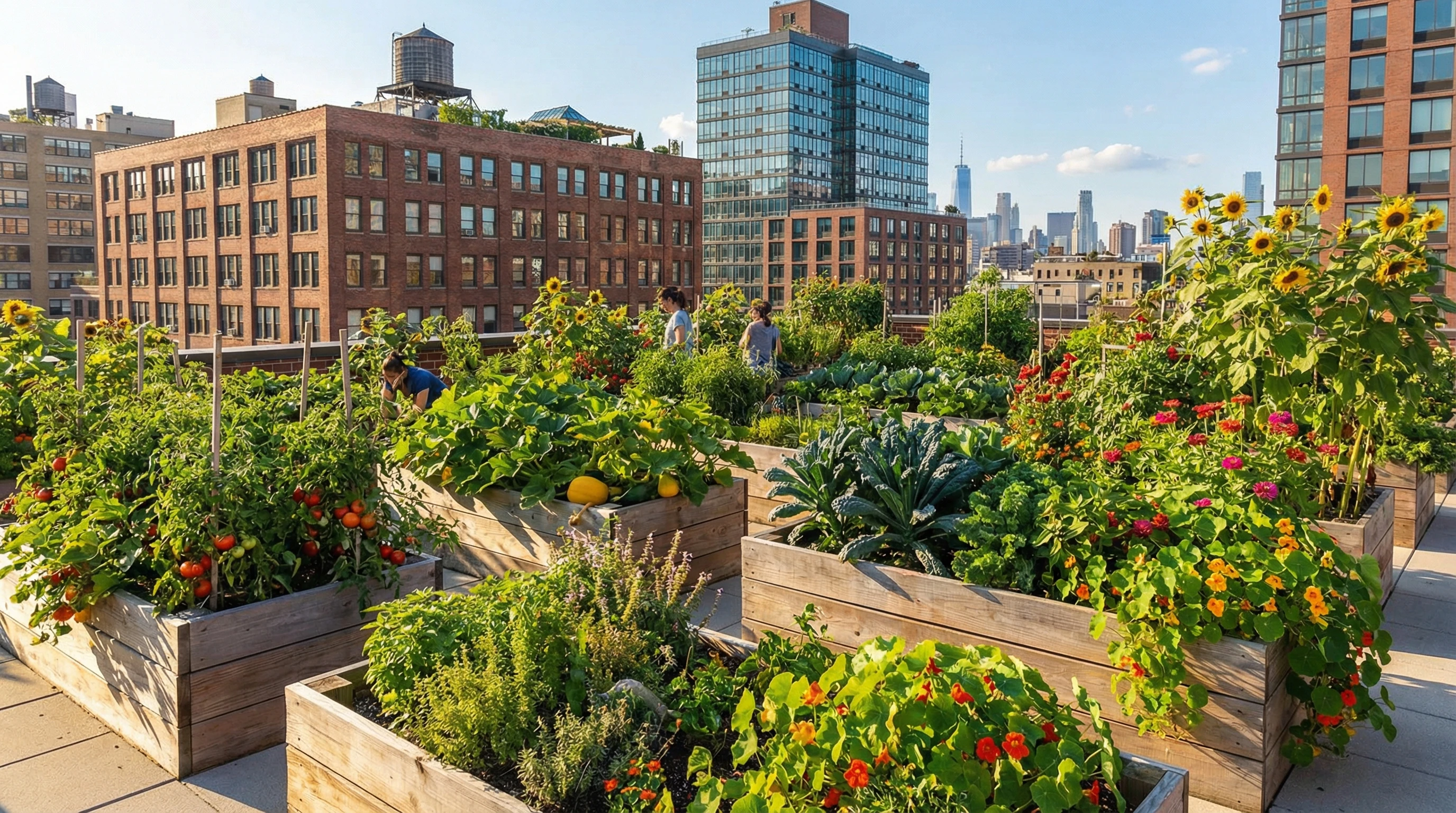
City life often means less green space, but urban gardening mixes things up. It’s growing in popularity as a smart way to reclaim bits of nature and contribute to the local environment, even if yard space is almost nonexistent. Whether it’s pots on a fire escape or a bigger community project, urban gardening can handle small spaces nicely.
All sorts of studies show that city gardens are more than a passing fad. They help people grow their own food, strengthen local bonds, and create healthier, greener neighborhoods. The American Community Gardening Association reports that community gardens are spreading fast in North America and Europe. What’s pushing this growth? People want more control over their food, cleaner air, a sense of connection, and just a reason to dig their hands in the dirt even without a backyard.
Key Benefits of Urban Gardening
City gardening packs in more advantages than you might expect. Here are some of the top ways it improves day-to-day living and makes city neighborhoods friendlier:
- Fresh Produce At Your Doorstep: There’s nothing like cooking with herbs or veggies grown just a few steps away. Urban gardens can add a surprising variety of fresh food to your meals, especially when greens and tomatoes grow in containers or smartly used garden beds.
- Pumps Up Mental Health: Caring for plants, even if it’s just watering or pulling a few weeds, is a proven way to lower stress and boost mood. As supported by studies from the CDC and other wellness experts, gardening is tied to less anxiety and better well-being overall.
- Cleans Up the Air: Plants help filter pollutants, making the environment cleaner. This is particularly valuable in cities where cars and dense housing can lower air quality.
- Grows Community: Swapping seeds with neighbors or working side by side on a shared lot can break down barriers. Gardens become casual gathering spots where people can meet, share tips, or enjoy a bit of nature together.
How to Get Started with Urban Gardening
You don’t need a big plot or expensive gear to kick things off. Here’s my guide for city folks looking to start their own urban garden:
- Find Your Space: Look for sunny ledges, balconies, rooftops, or—if you’re lucky—a bit of soil at ground level. Even tiny spaces work for container gardening.
- Start Small: Begin with easy-to-grow herbs like basil or mint, or salad greens like arugula. Movable containers let you chase the sun as it shifts through the day.
- Use Quality Soil: A good potting mix helps plants thrive and keeps everything tidy. If you have raised beds or room for in-ground planting, check out local compost suppliers for a nutrient boost.
- Add Water and Light: Most plants like at least six hours of sunlight and consistent watering. Selfwatering planters and watering cans keep things simple for city gardeners.
- Connect With Others: scout out a community garden nearby, or get involved with local online gardening groups. Swapping seeds and tips is handy, especially as you’re just starting out.
Things to Consider for Urban Garden Success
City gardening presents unique challenges. Here’s what I keep an eye on to help things go smoothly:
- Sunlight: Tall buildings and trees can block sunlight, so watch how it moves across your space. For dimmer spots, think about using grow lights or simple reflectors.
- Soil Quality: Urban soil near roads or older buildings can be contaminated. Raised beds or containers with fresh soil are a good solution.
- Pests: City critters like pigeons, squirrels, and aphids often find gardens quickly. Netting, row covers, and organic sprays help keep plants safe without harsh chemicals.
- Water Access: Lugging water up stairs isn’t fun. Installing a drip irrigation system or using rain barrels to collect extra water can save lots of time and hassle.
Container Gardening
If you’re short on room, container gardening opens up possibilities just about anywhere. Sturdy pots (even recycled buckets) with drainage, and a regular feeding routine get the job done. Try salad greens, cherry tomatoes, or peppers—these thrive in pots and don’t need too much attention.
Dealing with Soil Contamination
Older vacant lots and spots near busy roads may have heavy metals or pollution in the soil. Before setting up a garden, check for local soil testing services or use raised beds and brought-in soil with a liner underneath. Root vegetables—including carrots and potatoes—are more likely to pick up toxins, so grow them in containers or clean soil beds.
Watering in the City
Watering can be tough in urban settings, especially with balcony or rooftop gardens. Lightweight watering cans or hoses that connect to sinks help, as does keeping a watering routine. Selfwatering containers and drip systems are also great for busy gardeners.
Tips for More Success in Urban Gardening
Once you’ve got the basics down, these ideas can help you get even better results from your city garden:
Grow Vertically: Make the most of your space with wall planters, trellises, or stackable pots. This trick is great for peas, beans, or vining flowers.
Choose Compact Plant Varieties: Pick dwarf or patio versions that don’t take over your whole space. Look for cherry tomatoes, mini cucumbers, and bush zucchini—they’re ideal for smaller setups.
Try Companion Planting: Pairing certain plants together—for example, basil and tomatoes or marigolds with lettuce—can help control pests and boost growth. Plenty of guides online break down the best pairings.
Make Your Own Compost: Don’t toss out those veggie scraps. Even a small indoor compost bin or worm bin (vermicomposting) is simple to manage and gives your city plants a proper boost.
Real-Life Benefits: Urban Gardening’s Bigger Impact
City gardens do more than just supply some fresh veggies—they benefit entire neighborhoods. Here’s how urban gardening makes a real difference in communities:
- Boosted Urban Biodiversity: Urban gardens attract bees, butterflies, and birds, bringing pockets of nature into busy city spaces.
- Reduces Urban Heat: Green rooftops and shady gardens help cool down buildings and sidewalks, which can make hot summers more tolerable.
- Builds Stronger Communities: Shared garden projects help neighbors meet, share resources, and even celebrate with harvest parties.
- Promotes Learning and Education: Many city schools and afterschool programs set up gardens as hands-on ways to teach science, nutrition, or art.
Frequently Asked Questions
There are lots of practical questions when it comes to urban gardening, especially for beginners. Here are some that come up regularly:
Question: What are the easiest plants to grow in an urban setting?
Answer: I recommend salad greens, radishes, herbs such as basil, chives, and mint, as well as cherry tomatoes. These don’t need much space or attention to get good results.
Question: Can I garden if my apartment doesn’t get much sunlight?
Answer: Yes. Choose shade-tolerant plants like leafy greens and herbs. If you want to grow sun-loving crops, adding grow lights will help give your plants the energy they need.
Question: How do I keep my urban garden pest-free without chemicals?
Answer: Use row covers, handpick pests, or plant bug-attracting flowers such as nasturtium to lure pests away from your edibles. Organic sprays made from neem oil or mild soap can also be effective for tough cases.
The Future of Urban Gardens
Urban gardening truly brings city spaces to life in practical and meaningful ways. It’s about making the most of whatever small patch you’ve got, whether that’s a balcony, a patio, or a bit of ground in a shared space. Besides yielding fresh herbs and veggies, urban gardening offers a way to foster connections with the people around you, support local wildlife, and sprinkle genuine beauty onto bustling streets.
If you’ve got even the smallest bit of curiosity or spare space, urban gardening is worth checking out. Not only will you gain some garden know-how and maybe meet new friends, but you’ll also get to sample some homegrown, tasty results. Bottom line: city gardening is a hands-on, rewarding way to give your city life a refreshing green twist.