Organic vegetable gardening is a truly rewarding way to grow your own food and connect with nature without turning to synthetic chemicals. Watching seeds you planted turn into tasty produce you can eat is nothing short of satisfying. Getting started with organic gardening—or taking your current garden up a notch—comes with a learning curve, but once you have the basics, you’ll notice your garden thriving in a whole new way. I’m sharing what I’ve learned and researched so anyone can dig into organic vegetable gardening, no matter the skill level.
What Makes a Vegetable Garden Truly Organic?
People often wonder what exactly counts as organic when it comes to gardening. At its core, organic gardening means growing food without synthetic fertilizers, pesticides, or genetically modified organisms (GMOs). Instead, you focus on building healthy soil, using natural solutions, rotating crops, and encouraging biodiversity. Government organic certifications have strict rules, but even if you aren’t after certification, following those same principles keeps your veggies as natural and healthy as possible.
Organic gardening is about more than just skipping sprays. It’s about feeding the soil, respecting local wildlife, and working with natural cycles instead of trying to fight them. Soil health, compost, crop rotation, and planting native flowers all play a part. This process helps your garden resist pests and disease, plus the veggies you harvest end up tasting fresher.
Getting Your Garden Ready: First Steps
Solid results start with careful planning. Picking your location is key because vegetables need around 6–8 hours of sun daily. Clear away sod or weeds, loosen the soil, and add plenty of organic matter, such as compost or rotted manure. It’s always worth testing your soil to get a sense of its nutrients and pH; this way, you’ll know what amendments your soil needs. Soil test kits are available online or at your local cooperative extension office, and they’re pretty simple to use.
Here are a few practical points I keep in mind to make things easier:
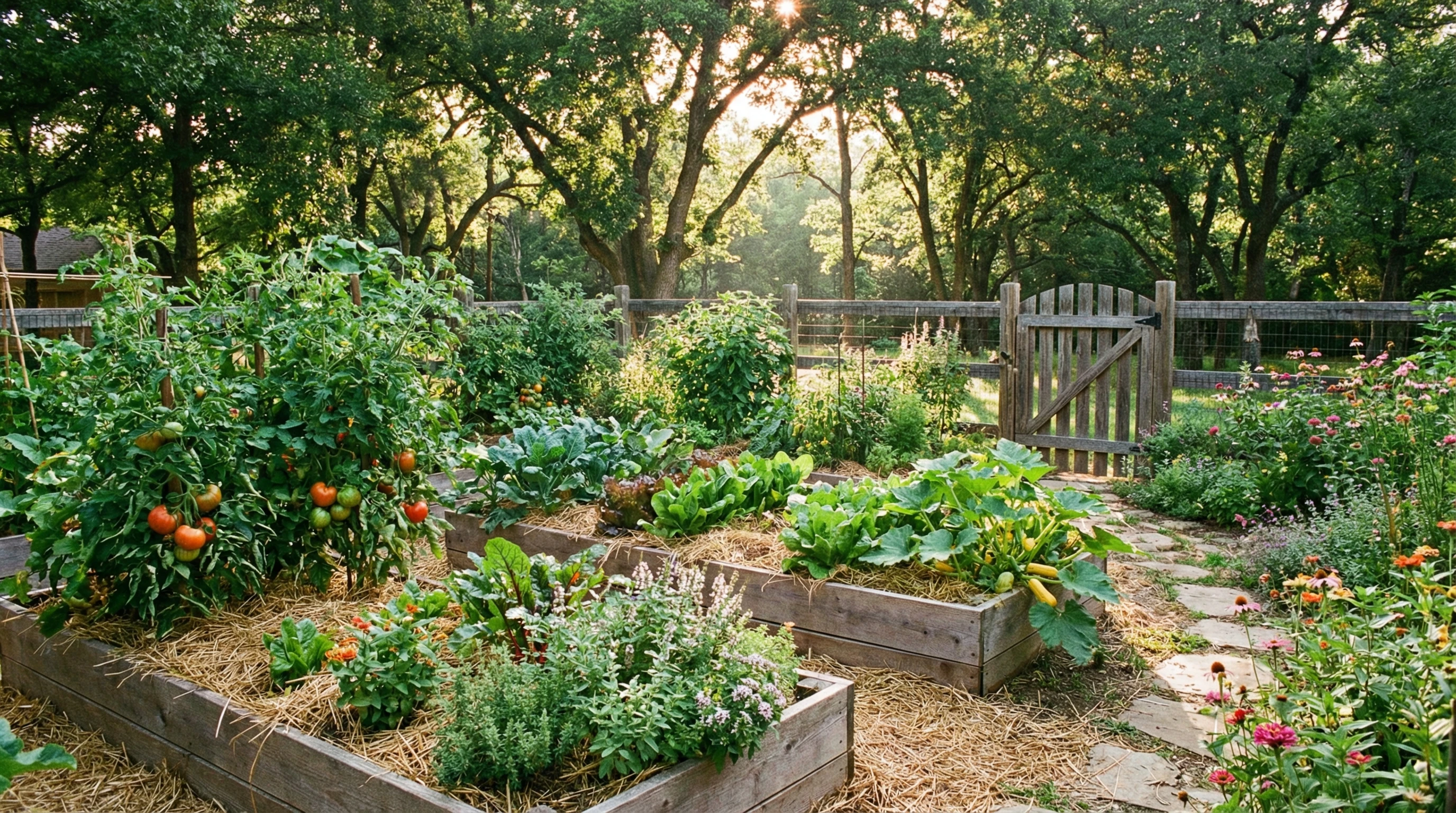
- Raised beds: These are really helpful for controlling soil quality, drainage, and keeping out weeds.
- Composting: Building a compost bin or pile gives you rich, natural fertilizer for your garden using kitchen scraps and yard waste.
- Mulching: Add a 2–3 inch layer of organic mulch (straw, wood chips, or shredded leaves) around your plants. It saves water, blocks weeds, and keeps soil temperatures steady.
Choosing Seeds and Plants for Organic Gardens
Selecting the right seeds and veggie starts is super important when growing organically. You want to avoid anything treated with synthetic chemicals or grown from genetically modified seeds. Track down “certified organic,” “heirloom,” or “openpollinated” labels. These choices help maintain genetic diversity and support seed saving later on.
Starting seeds indoors gives you a jump on the season. If you’re new, it may feel easier to shop for organic starter plants from trusted nurseries. I like to stick with veggies that thrive in my local climate—tomatoes, leafy greens, and zucchini are solid picks for beginners, but you can grow anything that you’ll enjoy eating!
Organic Methods for Building Healthy Soil
The magic of organic gardening revolves around soil health. Healthy soil is packed with microorganisms, earthworms, and nutrients that keep plants strong into the next season. Compost is my secret; mix kitchen scraps, old leaves, and even coffee grounds for a blend that slowly feeds your plants.
- Crop Rotation: Switch up where you plant each type of vegetable every year. Rotating plant families—like tomatoes, beans, carrots, and lettuce—stops pests and diseases from taking over.
- Cover Crops: Growing cover crops like clover, rye, or vetch during off-seasons saves soil from erosion, adds nutrients, and helps with weeds.
Avoiding too much tilling is also key since tilling can mess with soil structure and harm all the good critters underneath. I like to disturb my soil as little as possible; mulching and nodig methods are worth checking out.
How to Handle Pests and Diseases Naturally
Pests and diseases are part of every garden, but you don’t need shelves of chemicals to keep them away. The most effective organic pest control is all about prevention and maintaining balance. Here’s my approach:
- Encourage beneficial insects: Plant flowers like marigolds, alyssum, or dill to attract pollinators and pest eaters like ladybugs.
- Handpicking: For big pests, like caterpillars, picking them off plants can work really well (kids actually enjoy helping with this!).
- Nontoxic sprays: Simple homemade solutions—like diluted neem oil or insecticidal soap—work for aphids and other soft-bodied pests, but use them sparingly.
- Crop covers: Floating row covers create a barrier against bugs while letting air, sun, and water through.
A healthy and diverse garden is far less likely to be wiped out by pests or disease. Rotate crops, clear out old plant debris, and toss down organic mulch to add a natural layer of defense.
Smart Watering Practices for Organic Gardens
Watering the right way is crucial for healthy veggies (and easy on your water bill). Organic gardens thrive best with deep, occasional watering—this grows strong roots and makes plants more resilient. Water in the early morning so leaves can dry before nightfall, which cuts down on the chance of fungal diseases. Collecting rainwater in barrels is a great ecofriendly way to go and saves you from using treated tap water.
Mulch not only helps retain moisture but also stops muddy splashes that can spread disease. If you want a timesaving upgrade, drip irrigation systems pump water right to the roots.
Troubleshooting Common Organic Gardening Challenges
Growing veggies the organic way can surprise you, especially at first. Here are a few tips from my experience to help smooth the way:
- Slowgrowing plants: You could be over or underwatering. Check soil moisture a couple inches below the surface—if it’s soggy or parched, adjust your watering.
- Yellow leaves: Might signal nutrients lacking or too much water. Add compost tea or loosen up packed soil to perk things up.
- Weeds everywhere: Stay on top with regular mulching and handpull weeding. Getting ahead of weeds while they’re small cuts down your workload later.
- Poor fruit set: A shortage of pollinators or too much nitrogen can lead to this. Add some beeloving flowers nearby and use fertilizing compost lightly.
Mulch and Compost Tips
Never underestimate the power of mulch and compost. Mulch holds in moisture, blocks weeds, and feeds the soil as it breaks down. Composting—either in a pile, bin, or even with a worm tub on the counter—is one of the best things you can do for your garden. Keep those veggie scraps, leaves, and even shredded paper (stay clear of glossy types) out of the trash and back in the earth.
Dealing With Local Wildlife
Animals like rabbits, squirrels, or deer may snack on your crops. Try fencing, netting, or even scentbased repellents like garlic spray. Reflective surfaces and motiontriggered sprinklers can scare off some critters; these saved my lettuce patch more than a few times.
FAQs for Organic Vegetable Gardening
I get all sorts of questions about making organic gardening work at home, so here’s a quick rundown of some common ones:
Question: What’s the easiest organic vegetable to start with?
Answer: Leafy greens such as lettuce or spinach are speedy growers, forgiving of mistakes, and bounce back quickly. Radishes and bush beans are two more great picks for beginners.
Question: How can I tell if my seeds or plants are genuinely organic?
Answer: Certified organic seeds and plants will be labeled by organizations like USDA Organic or a reputable certifier in your country. If I see the word “natural” with no other details, I tend to skip it if I’m aiming for real organics.
Question: How do I keep pests away naturally without hurting bees or butterflies?
Answer: Skip broadspectrum sprays, even organic ones, during the day when pollinators are active. Handpick pests, try row covers, and let beneficial insects do their thing. Plant pollinatorfriendly flowers to attract good bugs and help out bees and butterflies.
Question: Is organic gardening more expensive or laborintensive?
Answer: You’ll spend some extra time up front improving the soil and setting up compost, but you’ll save money later on fertilizer and pest sprays. Once the system is running, maintenance gets easier over time as the soil—and your plants—get stronger.
Organic Vegetable Gardening in Real Life
Trying organic gardening at home completely changed how I look at food and the work that goes into growing it. One year, my tomatoes bounced back after a hornworm invasion; with lots of ladybugs in the garden, I didn’t need to spray anything. Turning kitchen scraps into compost meant far fewer trips to the store, and I got to share extra veggies with friends and neighbors. This isn’t just about growing food; it’s about carving out a little oasis that helps local wildlife and boosts health right where you live.
Choosing organic vegetable gardening leads to tastier produce, healthier soil, and a livelier, more balanced ecosystem outside your door. Whether you’re growing a few salad greens on your balcony or a whole backyard garden, these methods make a huge difference. Anyone can get a fresh start with organic gardening—happy planting!