If you’re curious about what kind of vegetable seeds to plant, understanding the differences between heirloom and hybrid seeds really helps you make choices that fit your gardening style and goals. Both types give you their own unique benefits and quirks, and how you decide often comes down to what you want to get out of your veggie patch. I’m breaking down everything you need to know so that, whether you’re looking for authentic flavors or top performance, you’ll feel confident picking seeds this season.
Heirloom vs Hybrid Seeds: What Makes Each Unique?
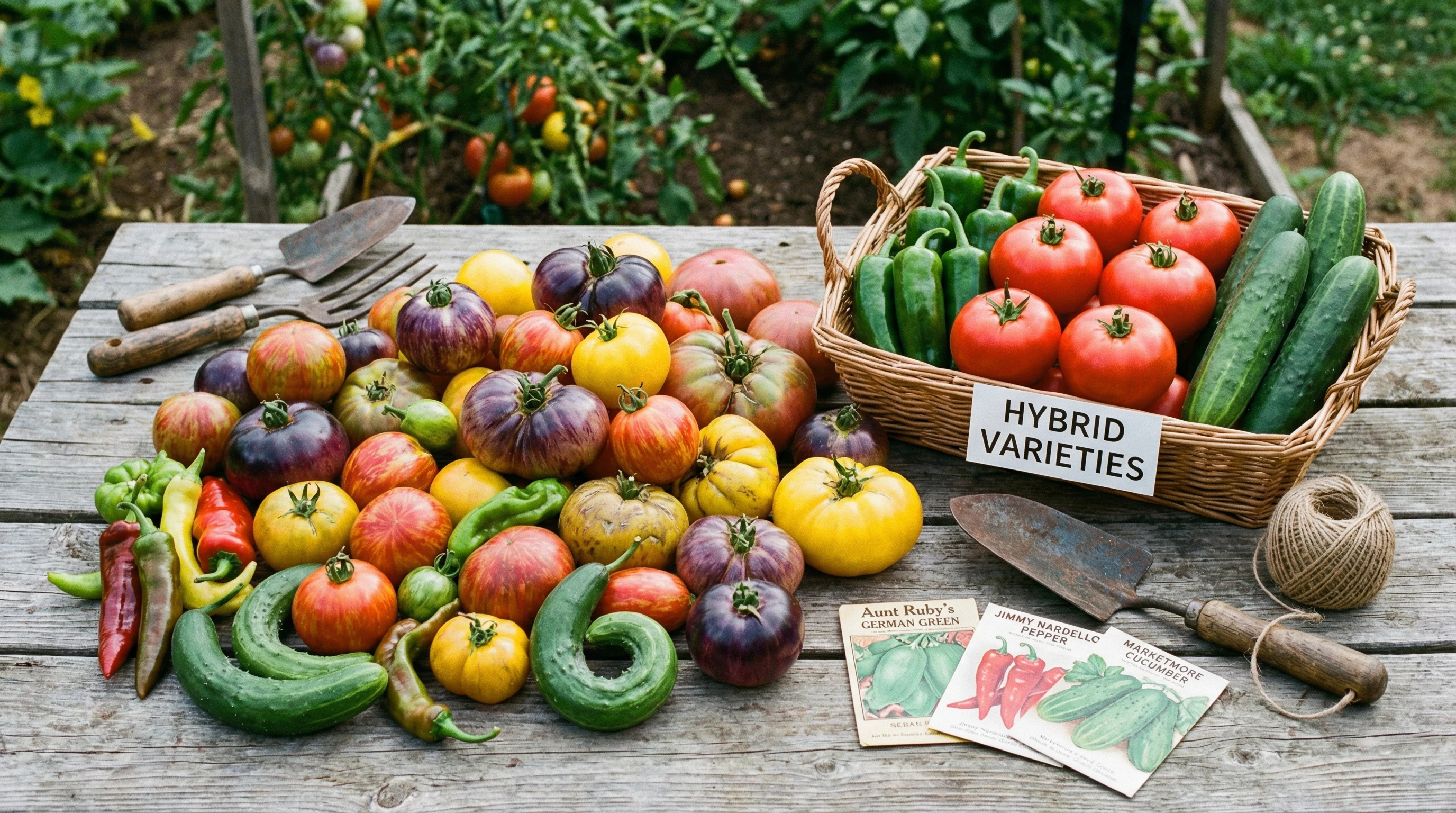
The seed world is full of interesting choices, but the real split comes down to heirloom versus hybrid. Heirloom seeds are pretty oldschool, with varieties passed down for decades or even hundreds of years, saved by generations of gardeners for their reliable traits and standout flavors. Hybrids, on the other hand, are about combining two known parents and blending their best features in a controlled process. This pairing can create plants that are tough, productive, and often more consistent in the garden.
Heirloom seeds usually come from openpollinated plants, which means they’re pollinated by insects, wind, or gardeners without much interference. This allows them to “breed true,” which means seeds will give you plants just like the parent, so you can keep saving and growing them. Hybrids, often labeled as F1, involve crossing two separate parent plants to produce a firstgeneration offspring with certain traits like disease resistance or uniform fruit. Understanding these differences can help you figure out which type will give your garden a boost.
What Makes Heirloom Seeds Special?
Heirloom vegetable seeds have a dedicated following for plenty of reasons:
- Flavor: Many gardeners love heirlooms for their taste. Tomatoes, in particular, get a lot of hype, but you’ll stumble upon standout flavors in other veggies too.
- Seed Saving: Heirlooms make seed saving simple. Since they come from openpollinated plants, you can collect seeds year after year and expect similar results, which is handy if you’re into self-sufficiency.
- Preserving History: Each variety tells a story. Some heirlooms have been grown in certain regions or families for generations. Planting them helps keep these food traditions alive and gives a nod to cultural heritage.
- Biodiversity: Heirlooms help keep a wider range of genetic diversity in gardens, which is important for resilience against pests and shifting climates.
On the other hand, heirlooms aren’t always bred for consistent looks or maximum yields. Sometimes you’ll spot different shapes and sizes on the same plant, which might be charming or frustrating depending on your plans.
Why Hybrid Seeds Are Popular
Hybrid seeds have become popular among commercial growers and backyard gardeners because of their practical strengths:
- Vigor and Productivity: Hybrids are often much more productive and vigorous than heirlooms, which means bigger harvests in the same amount of space.
- Disease Resistance: Many hybrids are bred to sidestep specific garden problems, like tomato blight or powdery mildew, so you’ll lose less to disease.
- Uniformity: Hybrid crops often grow up looking alike—same size, shape, and ripening time. That’s great if you’re interested in market gardening or you want every tomato on your BLT to look perfect.
- Adaptability: Some hybrid seeds are bred for tricky weather or soil conditions, making it easier to get something to grow if your climate is unpredictable.
One catch: if you save seeds from hybrid plants, you won’t get the same results as the first year. Their offspring are a genetic wild card, so you’ll often lose those special hybrid traits.
Seed Terminology: Helpful Terms to Know
- OpenPollinated (OP): These seeds can pollinate each other via natural means and create the same type of plant, ideal for seed saving.
- F1 Hybrid: The first generation from crossing two specific parent plants. Shows the strongest hybrid traits.
- Pollination: The process where pollen (the male part) fertilizes the ovule (the female part), kicking off seed production.
- Stabilized Hybrid: If a hybrid is deliberately inbred to be stable for several generations, it can eventually become openpollinated, but that takes a lot of time.
Choosing Between Heirlooms and Hybrids
The right seed depends on what you want out of your garden:
- If you’re interested in unique varieties, flavor, or seed saving, heirlooms are probably right up your alley. You’ll get a sense of history and can keep the tradition alive.
- If you want a highyielding, troublefree garden, trying hybrids makes sense. This is especially helpful if your growing season is short or local pests are a pain.
I’ve found that mixing both in a single garden works really well. For example, I plant hybrid cucumbers for steady, big harvests, but stick to heirloom tomatoes and beans for flavors I can’t get anywhere else. Testing what works best for you is honestly the way to go. Many gardeners like to keep notes or swap seeds to find the blends that really shine in their region.
Common Myths and Mistakes: Clearing Up the Confusion
A few misunderstandings pop up often when people compare heirlooms and hybrids. Clearing these up can save you a ton of confusion and make your gardening adventure smoother:
- Myth: Hybrids are the same as GMOs. GMOs (genetically modified organisms) are made in labs with gene splicing. Hybrids, however, are naturally crossed plants bred for certain traits within the same species. There’s a big difference!
- Myth: Heirlooms are always tougher or healthier. Sometimes, heirlooms are even more prone to diseases than hybrids because they haven’t been bred for modern threats. Their strength really shines in flavor and variety, but not always toughness.
- Mistake: Saving seeds from hybrids works fine. Saving seeds from F1 hybrids won’t typically give you plants with the same positive traits as their parents. This can lead to disappointment if you’re hoping to create a reliable supply of homegrown seeds.
Tips for Growing Each Type in Your Garden
No matter which type you pick, some strategies really help you get the most from your seeds:
- Heirlooms: Rotate your crops and pick diseaseresistant varieties if garden issues tend to pop up. Take time to track down suppliers or local gardeners who keep good stock. Sharing heirloom seeds with neighbors can keep old varieties healthy and local DNA strong.
- Hybrids: Check your seed packets or nursery labels to see exactly what traits they were bred for. Choose hybrids that address your specific garden challenges, whether it’s mildew resistance or a short growing season. Try a few types side by side to spot what thrives where you live.
RealWorld Examples
- Marketmore 76 Cucumber: A reliable openpollinated (heirloom) that’s still big in home gardens for taste and productivity. It’s known for steady yields and classic cucumber crunch.
- Celebrity Tomato: A top hybrid that produces loads of uniform, resilient fruit with good flavor and strong disease resistance. Plenty of gardeners keep this one in their regular rotation, especially for sandwiches or canning.
Pros and Cons At-a-Glance
- Heirlooms:
- Great flavor and variety
- Seeds are easy to save
- Some can be less productive or slightly more finicky
- Hybrids:
- Peak productivity
- Strong uniformity and usually lower risk for certain diseases
- Seeds don’t always grow trutotype; you’ll need to buy seeds again yearly
Frequently Asked Questions
People, especially new gardeners, have a few common questions about these seeds. Here’s what I usually hear:
Q: Will I get more produce from hybrids or heirlooms?
A: In most cases, hybrids deliver bigger yields and more uniform produce. Some heirlooms can be productive, but hybrids often take the win here thanks to their selective breeding.
Q: Can I save seeds from hybrids?
A: You can save the seeds, but what you plant next year might show totally different traits from the parents. For reliable consistency, save seeds from openpollinated or heirloom varieties only.
Q: Are all hybrids genetically modified?
A: Nope! Hybrids are made by crossing two varieties within the same species. It’s traditional plant breeding, not labbased genetic modification. They are not GMOs.
Q: Why do some heirlooms get weird shapes or colors?
A: That’s usually just genetic diversity showing up. It’s one of the things that makes growing heirlooms fun. You never know what unique produce you’ll spot in your own garden patch, and it keeps things exciting from season to season.
Which One Should You Pick? Mixing and Matching for the Best Results
Most gardeners find that a mix of heirloom and hybrid seeds gives them the best of both worlds. If you like experimenting, eye-catching flavors, and sustainable seed saving, heirlooms are definitely something to try. If your space is limited or you want maximum output, hybrids are super useful; sometimes they’re a lifesaver when you’re dealing with tricky weather or regional pests.
You don’t have to stick to one kind forever. Trying different types, keeping notes about your successes and challenges, and trading seeds or stories with fellow gardeners are some of the most rewarding parts of growing your own food. Over time, you’ll build a customized mix that matches your tastes—and you might even pass down favorite seeds to family and friends, becoming part of the heirloom story yourself. Wrapping up, combining both heirloom and hybrid seeds lets you enjoy variety, flavor, reliability, and resilience in your gardening adventure, so jumpstart your planting and see what works best in your patch this year.