Growing your own vegetables is one of those things that can transform how you feel about fresh food. Timing is super important for a thriving garden, as every season brings different weather patterns and growing conditions. Whether you have a little backyard patch or a few containers on your balcony, knowing which vegetables to plant in each season can really help you make the most out of your efforts. Here’s a seasonal guide to point you in the right direction.
Why Seasonal Planting Matters
Vegetables all have their quirks when it comes to how much sun, warmth, or chill they like. Some really thrive as soon as the ground cracks open after winter, while others wait for the heat of summer. Planting in sync with the seasons means your crops get the temperatures and conditions they need. This leads to healthier plants, less pest trouble, and bigger yields. Not only does this save you effort, but it also supports a more natural garden rhythm. In fact, seasonal planting even gives you the chance to experiment with crop rotation and helps build better soil over time.
I learned pretty quickly that chasing after ideal vegetable growing times, not just planting whatever looks good at the garden store, makes a real difference. You’ll see fewer disappointments and, honestly, more tasty harvests all year long. Plus, you’ll get to enjoy a wider variety of flavors—with each season bringing new vegetables to try and enjoy.
Spring: Time To Wake Up The Garden
As the weather starts to warm up, the soil becomes workable and soaks up more sunlight. That’s when a bunch of “cool season” vegetables are ready to hit the dirt. These veggies can handle a little chill but don’t want to be frozen. Some can even be tossed into the ground a few weeks before the last expected frost date.
- Peas: Super easy to grow and love the cool air. Get them in early, once the soil is workable, and you’ll be snacking on fresh pods by late spring.
- Spinach: Grows fast and isn’t bothered by chilly nights. Plant seeds as soon as you can dig, and harvest young leaves often for the best flavor.
- Lettuce: One of my favorite spring crops because it comes up quickly and there are so many varieties. Start planting every week or two for a steady supply.
- Radishes: These guys go from seed to table in under a month. Plant in between slowergrowing veggies for efficient use of space.
- Carrots: Sow straight into the soil early, and don’t worry if there’s a light frost; they’re pretty hardy at the seedling stage.
- Broccoli and Cauliflower: Start seeds indoors or pick up young plants at garden centers to transplant once the soil warms up but is still cool.
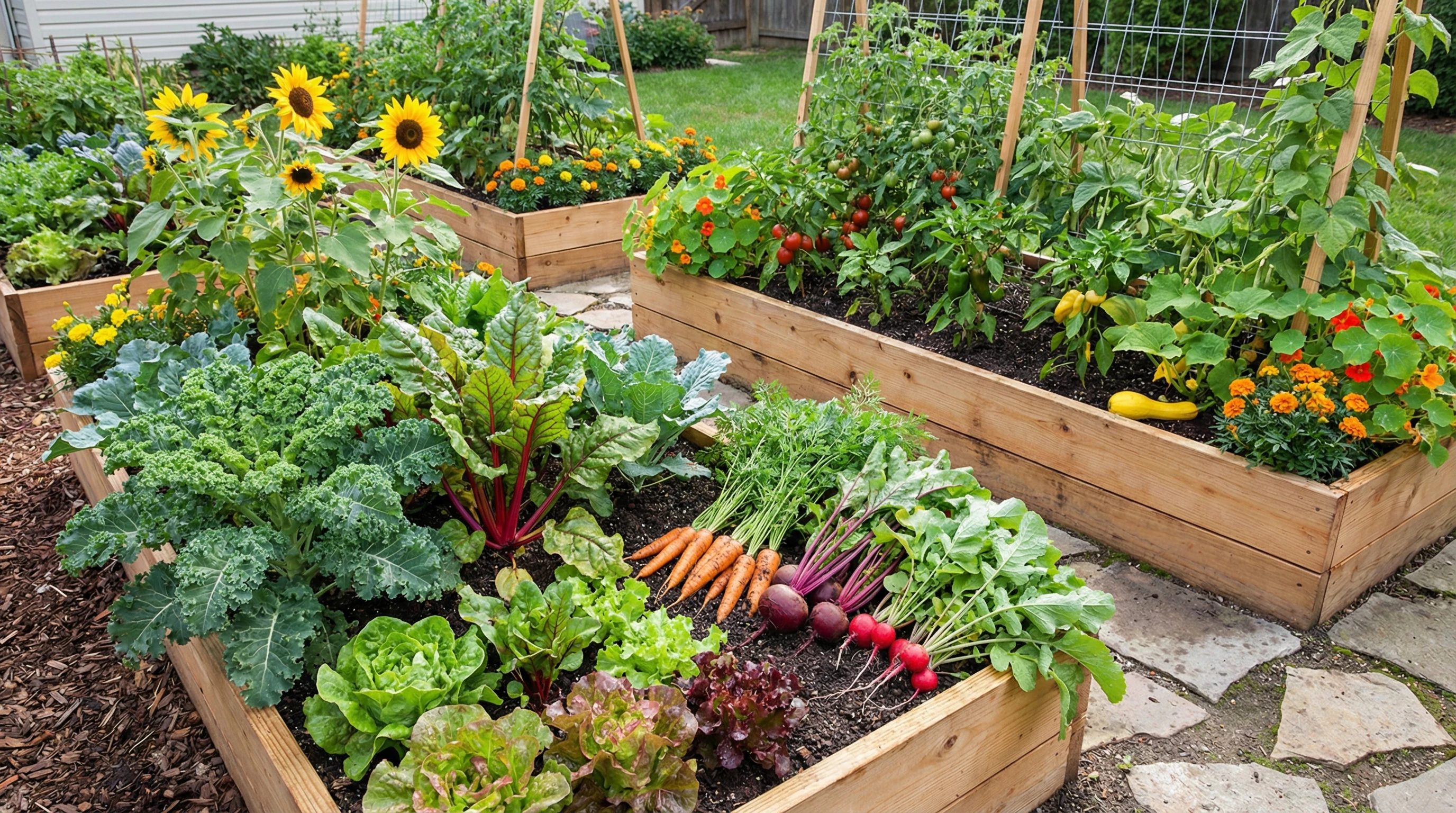
Starting with spring veggies is a good way to kick off your gardening season. If you have a cold frame or row cover, you can stretch the planting window even more and sneak in an earlier harvest. For some extra fun, check out blending flowers like pansies or marigolds among your vegetables to attract pollinators and add some eye-catching color to your growing beds.
Summer: Heat Lovers Take Center Stage
Once the threat of frost is gone and summer sun takes over, it’s time for the crops that thrive in high temperatures. Warm season vegetables hate the cold, so patience pays off here. Planting too soon means they could sulk or stall.
- Tomatoes: The classic summer favorite. Wait until nights are reliably warm, and plant seedlings rather than seeds for a head start.
- Peppers: Both sweet and hot types need warmth from day one. Transplant starts outdoors only when you’re sure all cold snaps are done.
- Beans: These are quick growers from seed once the soil’s warmed up. Bush beans produce fast, while pole beans climb and yield over a longer window.
- Cucumbers: Soak up the sun and love rich, moist soil. Space them out or give them a trellis to climb for cleaner fruit and less disease pressure.
- Squash (zucchini, yellow squash): They grow fast and provide loads of veggies, so give them plenty of space.
- Corn: It’s fun to grow your own sweet corn, but it needs warmth to germinate plus several plants together for pollination. Rows work better than single plants for this one.
- Eggplant: Needs as much heat as you can give it. If you live in a cooler area, stick with compact varieties or start them early indoors.
A tip that’s always helped me: mulch these heatloving crops to keep soil moisture steady and roots cool as summer gets hotter. Some crops, like tomatoes and eggplant, need staking for good air flow and to keep fruit off the ground. Don’t forget to give your crops consistent water, especially during dry spells, to avoid issues like blossom end rot in your tomatoes and peppers.
If you have extra space, try companion planting by mixing in herbs like basil and dill near your tomatoes and cucumbers. Not only will this add some nextlevel cool flavor to your meals, but it can also help keep pests away while attracting pollinators. Experimenting with different combos brings both beauty and practicality to your summer garden.
Fall: Second Chances And Overlapping Seasons
Early fall can offer another round of coolseason veggies, especially if summer was hot and long. Some plants started midtolate summer can be harvested into the autumn months before the first killing frost, and a few can even handle light frost without losing their quality.
- Beets: Just like carrots, beets prefer to germinate in warm soil but grow best as the weather cools. Direct seed in late summer for a fall crop.
- Swiss Chard: Pretty tough through temperature swings and will keep producing until a hard freeze.
- Turnips: Fast to mature and sweeten as it gets chilly. Sow seeds late summer for the best roots.
- Kale: Loves cooler weather and gets even sweeter after a frost hits. This one’s great for salads or cooked dishes through fall and into early winter.
- Asian Greens (bok choy, tatsoi): Mature quickly and are perfect for fall meals. Sow seeds as heat fades but while days are still long.
If you want to keep your garden productive, stick to crops that can be harvested before the really cold weather arrives, or try using row covers to protect against the first frost. Some years, my fall spinach plants outlast everything else. It’s amazing how resilient they can be with a bit of protection.
Another smart move is to dig into planting cover crops at the end of the season. Crops like crimson clover or winter rye help protect your beds, add nutrients to the soil, and prevent erosion during the colder months. You’ll be prepping your garden for next spring while wrapping up your main harvest. These extra steps can give your soil a boost and encourage even bigger yields in the following seasons.
Winter: Extending The Season And Planning Ahead
Most places get too cold for much outdoor planting in winter, but you still have a few creative options. Winter is a great time to grow indoors or plan and prep for the next round. If you have a greenhouse or cold frame, you can actually keep some veggies alive even in cold climates.
- Garlic: Plant garlic cloves in fall or very early winter for harvest next summer. They quietly develop roots over winter and jump to life in spring.
- Onions: Fallplanted onion sets or seeds overwinter well and take off once spring returns.
- Microgreens: Quick and easy to grow on a sunny windowsill. Just sprinkle seeds, keep them moist, and you’ll have nutrientpacked greens in days.
- Herbs indoors: Try parsley, chives, basil, or cilantro under a grow light or in a sunny window.
- Winter greens (if you have a cold frame): Hardy greens like spinach, mache (corn salad), and claytonia survive with just a little protection.
Winter’s also the best time to look back at what worked, update your garden plan, sort seeds, and order anything you’ll need when the weather warms up again. Consider getting involved with a local seed swap or community gardening group to share resources and trade advice—fresh ideas and new friends often bloom during this season of planning and reflection.
Tips For Successful YearRound Planting
- Know Your Growing Zone: Use a USDA Hardiness Zone map or local garden guides to figure out the last and first frost dates for your area.
- Keep A Planting Calendar: Jot down what you plant and when. Tracking helps you spot patterns and plan future plantings for better timing.
- Soil Prep: Each season, add compost or organic matter to keep your soil healthy and your veggies happy.
- Succession Planting: Staggering what you plant or tucking new crops in as space opens up helps you maximize your harvest across seasons.
- Be Ready For Pests: Each season comes with its own set of pest challenges, so keep an eye out and tackle issues early with gentle, plantfriendly approaches.
Gardeners who plan around seasonal cycles often end up with more productive beds and a more interesting mix of fresh veggies all year. You also get a built-in excuse to spend time outside, no matter the month. For even more eye-catching visuals, try snapping photos of your garden progress—nothing beats seeing how much your plants (and your skills) have grown throughout the year.
Frequently Asked Questions
Question: Can I plant summer vegetables in early spring if I use a greenhouse or cover?
Answer: You can get a small jump by using a greenhouse or thick row cover, but most summer crops need warm soil and air to do their best. Wait until you’re clear of frost unless you’re up for some extra work and risk.
Question: I have a tiny garden. Which vegetables work for small spaces and still give a seasonal harvest?
Answer: Quickmaturing greens (spinach, lettuce), bush beans, radishes, and smallrooted carrots are all good options. Many herbs and even compact tomato or pepper varieties grow well in containers or tiny beds.
Question: How do I know when to switch from spring to summer crops?
Answer: As soon as your coolweather veggies bolt or slow down and the nights stay warm, it’s time to make the switch. Pull spent spring crops to make space for heatloving ones.
Final Thoughts
Growing vegetables in sync with the seasons isn’t just about gardening calendars. It actually gives your plants the best chance to thrive. Keeping notes, adjusting as you go, and staying curious about what works in your climate will reward you with fresh, homegrown food for much of the year. If you’re new, just pick a handful of vegetables to try each season and see what you like best in your garden and on your table.