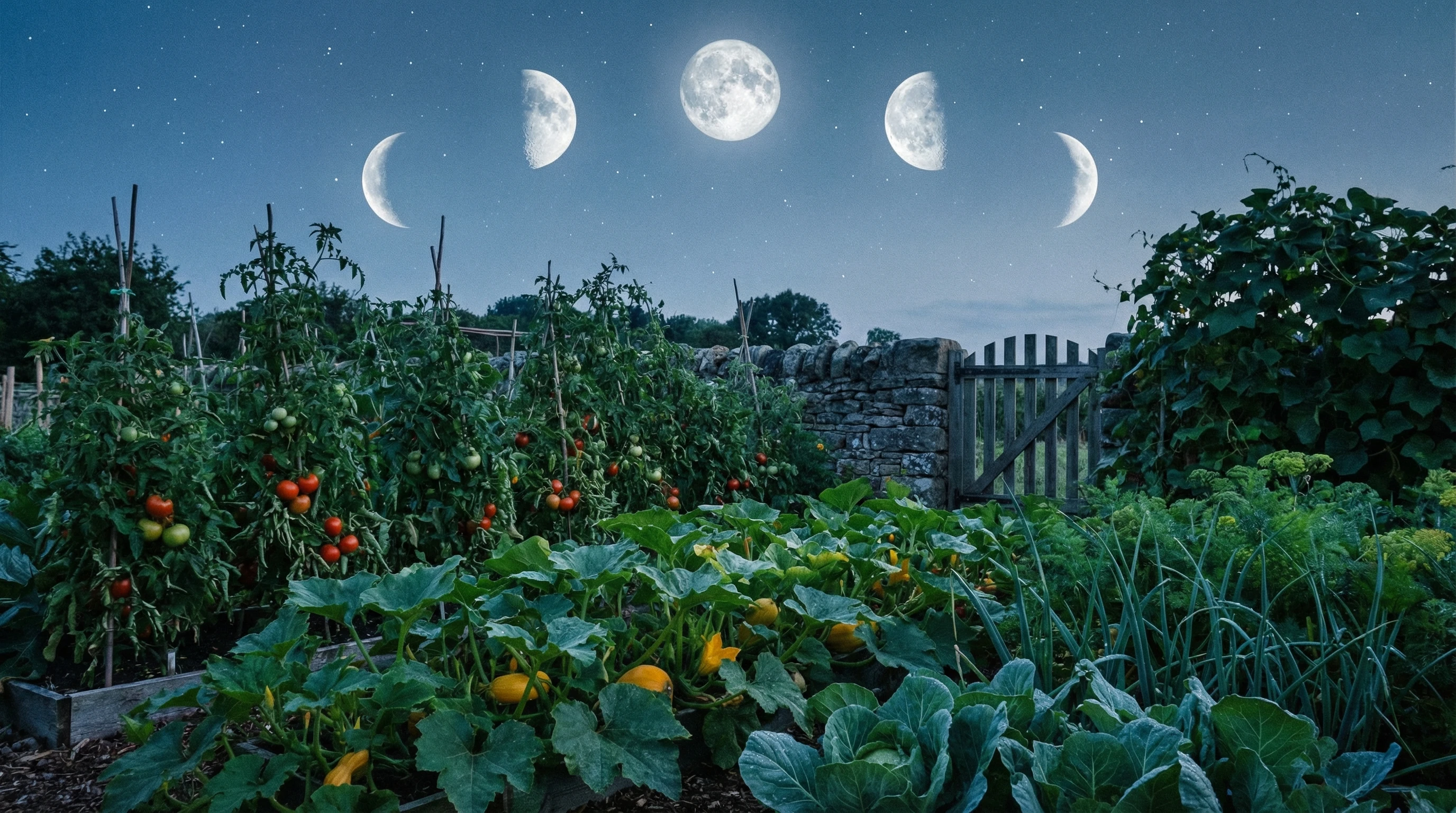
Gardening by the moon is an oldschool tip you might have heard from a family member or spotted in certain gardening guides. The idea is simple: plan and plant in sync with the moon’s phases, from new moon to full and back again. Plenty of people claim their crops are greener and yields are bigger thanks to this method, while others brush it off as just folklore. I’ve spent time checking out both the science and the tradition, so here’s how gardening by moon phases really shapes up.
The Basics of Moon Phase Gardening
The whole idea behind moon phase gardening is to time your planting and other gardening jobs around the big points in the moon’s monthly cycle. The main phases are new moon, waxing moon, full moon, and waning moon. Gardeners using this approach say the moon’s pull, similar to its effect on the tides, affects soil moisture, seed sprouting, and the overall health of plants. Here’s how this usually plays out:
- New Moon to First Quarter (Waxing Moon): This is considered the best time for planting leafy crops like lettuce and spinach. The thinking goes that water in the soil rises, encouraging seeds to swell and sprout.
- Full Moon to Last Quarter (Waning Moon): Root crops like carrots, potatoes, and onions are said to do better if planted now, since water moves downward, sending energy deep into the soil.
- Last Quarter to New Moon (Dark of the Moon): Moon gardeners usually avoid planting in these days, instead focusing on things like pruning, weed control, or giving the soil a break.
Where the Tradition Came From
Gardening by the moon isn’t new. It stretches back hundreds or even thousands of years. In ancient China, Egypt, and across Europe, people kept their eyes on the night sky and used both sun and moon as guides for planting and harvesting. Before you could rely on weather apps or packets printed with planting dates, following nature’s cycles was a practical way to boost the odds of a good harvest.
Family stories and community tips kept the method alive, especially in rural places. Even today, many farmers’ almanacs and old gardening books offer planting guides based on lunar cycles. Modern resources, from printed calendars to online apps, still cater to folks who like to track their chores by the phases of the moon each month.
Is There Any Science Behind Moon Gardening?
This is where things get interesting. We know the moon seriously affects Earth, most notably through its control over ocean tides. Folklore expands from this, claiming that the moon also changes soil moisture levels and the way seeds absorb water, potentially boosting seed sprouting and strong root development.
However, studies checking out moon gardening are mixed. Some research from agricultural colleges has shown tiny differences in how fast seeds sprout depending on the moon’s phase, but these results aren’t consistent. Most scientists and professional gardeners agree: there’s no strong evidence that strictly following the moon gives you better results than just planting at a convenient time. Groups like the University of California’s Master Gardener program and the Royal Horticultural Society say there’s a lack of proof (UCANR).
Why Some Gardeners Still Love Moon Phase Planting
I’ve met many gardeners—especially those who’ve been around the beds and rows for decades—who stand behind moon phase gardening. For these growers, it often means more than just boosting harvest size. It’s about tuning in to nature’s cycles, feeling more grounded, and marking time in a way that feels slower and more mindful than the typical digital routine.
Some fans say moon gardening helps set up a regular rhythm for their garden chores. If you like to plan ahead, following the lunar schedule is a neat, worry-free way to organize your planting and maintenance. There’s comfort (and maybe more motivation) in following patterns that guided gardeners before us.
What the Critics Say
While moon phase gardening sounds poetic and feels naturally connected, many gardening experts argue it’s more superstition than settled fact. They point out that the real factors driving garden success are soil health, local climate, plant type, and consistent care. Old seeds, missed watering, or poor soil will limit results much more than what the moon’s up to on any given day.
The American Phytopathological Society and other expert organizations say it’s the basics like temperature, daylight, and rainfall that really shape plant health and yield.
Should You Try Moon Phase Gardening?
Gardening is all about experimenting and having fun, so if you’re curious about moon phase gardening, here’s how to keep it both practical and low-stress:
- Start Small: Try planting one row or crop with the moon, and another whenever it fits your schedule. Compare what grows best at the end of the season. It’s your garden, so treat it as your own experiment.
- Stick to the Basics: Great soil, steady watering, and enough sunlight matter much more than lunar timing. Use moon planting as something to add in, not as your entire approach.
- Use Simple Tools: Almanacs, apps, and websites are available to help you check in with the current phase of the moon if you want to organize your planting by the lunar cycle.
- Enjoy the Process: The biggest perks might be the added enjoyment and sense of tradition that comes from following these rhythms, no matter what kind of harvest you get.
Common Challenges and Things to Remember
- Weather Swings: Quick frost or heat can zap garden success, even if your timing matches the perfect moon phase.
- Seed Age and Variety: If seeds are past their prime, or if a plant is just not suited for your area, the timing won’t save it.
- Busy Schedules: Life doesn’t always fit a lunar calendar. Sometimes, you just have to plant when you’ve got the time.
- Reality Check: Don’t expect dramatic gains strictly from lunar planting schedules. The biggest advancements in your garden usually come from hands-on care and basics.
Moon Gardening Resources for the Curious
If you want to get into this style of gardening, there are lots of resources to check out. Classic books like Planting by the Moon remain popular, and sites like the Old Farmer’s Almanac (almanac.com) offer monthly charts for those who want to track their chores with lunar timing. Whether you prefer a dogeared calendar or an app, there’s something out there to suit every curious green thumb.
FAQs About Moon Phase Gardening
Does the moon affect gardening?
The moon’s main effects are on tides and nighttime illumination, not directly on your veggies. There’s little solid proof of big gardening boosts, but keeping a lunar schedule can add structure and tradition.
Is gardening by moon phases suitable for all plants?
Some tradition says to time planting for leafy or root veggies based on the phase, but science gives more weight to weather, temperature, and soil over lunar timing.
What’s the most important thing to remember if I want to try moon gardening?
Keep up strong basics—good seeds, rich soil prep, regular watering. Mix in lunar scheduling as a way to add more interest and fun.
Wrapping Up: Should You Give Moon Phase Gardening a Try?
The tradition of gardening by moon phases brings a layer of mindfulness and ceremony to anyone’s garden routine. There isn’t a pile of scientific evidence double-checking big claims about harvests, but playing with lunar cycles can be fun for anyone looking to mix up their planting game or feel more connected to gardening’s long, rich history. At minimum, you’re stepping into a tradition embraced by generations of growers, and there’s real joy in that.
If you’re tempted, grab a lunar calendar and chart out your next planting adventure. Even if bigger carrots don’t pop up, trying something fresh could lead to your best gardening stories yet—or at least a few new discoveries along the way.