Growing a garden from scratch is a rewarding project that brings a ton of satisfaction. Whether you hope for a yard full of blossoms, a steady supply of homegrown veggies, or just a cozy green space to relax in, gardening fits the bill. For beginners, though, kicking things off can feel overwhelming. Deciding what to plant, figuring out the tools you truly need, or knowing where to begin—these can all cause some stress. I’m sharing what I’ve learned so you can get your own patch of green up and running, minus the confusion of complex gardening terms or endless choices.
Why Gardening Is Worth Your Time
Gardening isn’t just about sticking plants in soil. There’s something calming and deeply rewarding about it, especially when you spot those first sprouts or pick a salad straight from your backyard. Getting your hands dirty helps cut down on stress and makes for tastier, fresher meals. It’s also a low-key workout along with a chance to learn about nature right from home.
You don’t need a huge yard or years of practice. Even containers work for small patios and balconies, or you can garden on your windowsill. Community garden plots offer space if your yard is limited. Interest in home gardening is booming, with people of all ages getting involved. The gardening supply market is a multibillion-dollar industry that keeps spreading like wildfire every year. If you want a hobby that pays you back in more ways than one, gardening is a solid choice.
Setting Up: How To Plan Your First Garden
Picturing a plan at the start makes the whole process smoother and a lot more fun. Whether you hope for edible crops, colorful flowers, or both, thinking through a few main points before hitting up the plant store will make a big difference.
- Figure Out Your Sunlight: Most plants love sun, so take a couple days to notice how sunlight shines through your chosen spot. Full sun is at least six hours of direct light, while some plants are fine with shade.
- Check Your Soil: Dig around and examine what you’ve got. Is it dark and crumbly, or sticky like clay? Soil kind impacts what will thrive. Improve tough spots with compost or bagged topsoil to give your plants more to chew on.
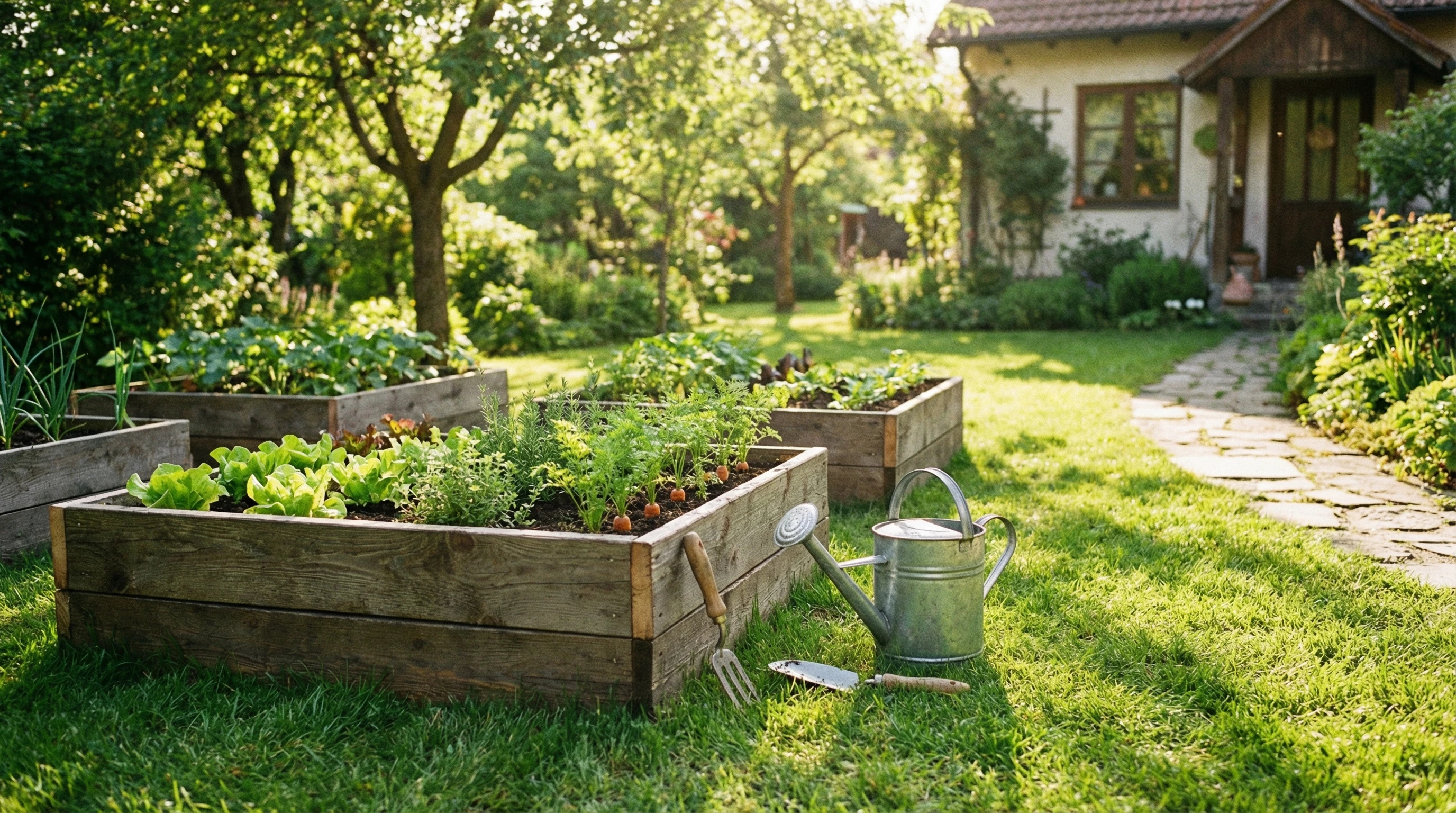
- Pick A Style: Raised beds, traditional garden plots, or a bunch of pots lined up by your door—each setup has pros and cons. For most beginners, raised beds or containers are easier to manage and control.
The Basics: Handy Tools For Getting Started
You don’t need a whole shed of gear. A few essential garden tools cover everything needed by most new gardeners:
- Trowel: Handy for digging holes and relocating seedlings.
- Hand Pruners: Nice for trimming away dead branches or shaping plants.
- Watering Can or Hose: Make sure you can easily get water to your plants when needed, especially in hot spells.
- Gloves: Protective gloves make gardening more comfortable and tidier.
- Rake and Spade: Useful for prepping soil and clearing debris if you’re starting a fresh plot.
If you’re on a tight budget, focus first on a trowel, gloves, and something to water with. You can always add more tools as you stick with the hobby.
How To Start Planting: Step By Step
Planting your garden is easier with a few clear steps. Getting the basics right at the start will help you avoid common pitfalls later. Here’s what generally works best:
- Choose Your Plants: Focus on varieties that match your sunlight and your local climate. If you’re new, try herbs (like basil or mint), leafy greens, cherry tomatoes, marigolds, and zinnias. Both seed packets and garden shops usually have “easy to grow” recommendations worth checking out.
- Prep The Soil: Use your trowel or spade to soften up the area and pull out any rocks or old roots. Add compost if it’s dry or dull to give new plants some extra punch.
- Follow Planting Directions: Each seed or start prefers a certain depth and spacing—follow tag instructions. Water your plants in afterward, which helps the roots settle.
- Water Regularly: Young plants need steady moisture. Check by sticking a finger into the dirt. Water early in the morning or in the evening for best results, so less moisture is lost to the sun.
- Feed and Mulch: A layer of mulch on top locks in moisture and protects tender roots. As your garden grows, use organic fertilizer as needed, especially for container plants.
Things To Look Out For Before You Plant
Almost everyone runs into a few hiccups while gardening. Here are some common snags and simple ways to keep troubles small:
- Pests: Squirrels, slugs, or aphids may show up. Pluck bugs off by hand, use mesh covers, or try naturally pest-resistant varieties to limit the damage.
- Weather Flukes: Late frosts or blazing afternoons can mess with new gardens. Check your local frost dates before you start and keep old sheets or light fabric on hand to protect tender new plants from surprise chills.
- Overwatering: Too much water can drown young roots. Make sure pots have good drainage and check the soil’s dampness before watering again.
- Unrealistic Expectations: Not everything will be perfect, especially at first. Allow yourself to experiment and learn as you go. Celebrate each little win!
Pest Management
Keeping your garden safe from critters and bugs can test your patience, but harsh chemicals aren’t your only option. Try mesh covers over seedlings or sprinkle diatomaceous earth to deter insects. I’ve had good results surrounding tomatoes with herbs like basil and rosemary; some bugs lose their way around strong-smelling plants.
What To Do With Poor Soil
If your dirt is heavy clay or super sandy, don’t give up hope. Top-dressing with compost and using raised beds gives plants a big jumpstart. Over time, as you add organic matter, you’ll grow richer, friendlier soil that’s a pleasure to work with.
Level Up: Tips For Success As You Grow
Once you’re comfortable, gardening becomes an adventure. Rotating crops from season to season helps reduce disease issues. Keep a journal with notes about what worked and what flopped—it’s surprisingly useful next year.
Switch Things Up: Mix in pots of pollinator friendly flowers to attract bees and butterflies. Try succession planting (adding new seeds as you harvest others) to keep your garden busy for longer.
Get To Know Your Plants: Paying regular attention—just walking around your garden and noticing what’s changing—gives you a head start in spotting yellow leaves or pests before they become big problems.
Connect With Others: Join local garden clubs, plant swaps, or chat in online groups. Other gardeners love to share tips and swap advice, making the whole thing even more fun and rewarding.
What Should Beginners Focus On?
Having a positive mindset and some starter tools is useful, but patience and a willingness to experiment are the real drivers of success. Choose quick-growing crops for early results. Start small—too big gets stressful, while a compact garden is easy to manage and lets you expand later on.
- Leafy Greens: Quick and forgiving across climates. Spinach, lettuce, and kale keep it simple.
- Herbs: Basil, chives, parsley, and mint shine in pots or beds—snip as needed for meals.
- Marigolds: Bright flowers that help ward off pests and rarely disappoint new gardeners.
These options give you something to taste or admire quickly. Seeing your first harvest or burst of color boosts your confidence to take on bigger gardening goals next season.
Frequently Asked Questions About Starting A Garden
Here are a few things I get asked most when someone is starting their first garden:
Question: What’s the easiest way to start if I’ve never gardened before?
Answer: Start small. One or two pots, or a single raised bed, gives you plenty to learn without overwhelm.
Question: Do I need to use pesticides?
Answer: Nope! Most gardens stay healthy with hand-picking and natural solutions. Good soil and routine walk-throughs help keep problems under control.
Question: What should I plant first?
Answer: Easy growers like leaf lettuce, radishes, or sunflowers are a solid start. Pick things you’ll want to eat or look at—that keeps gardening interesting and motivating.
Enjoying Your Gardening Adventure
Starting a garden unlocks new possibilities, from homegrown snacks to bursts of color outside your window. However, your first efforts go, gardening grows with you. Each season adds a little more know-how and a lot more enjoyment. Stick with it, and savor every win—even the small ones, like a thriving basil plant or your first handful of ripe cherry tomatoes. You’ll be amazed at how much this hands-on hobby gives back.
This is a very informative article, Pauline. I completely appreciate that you mentioned there is a calming and deeply rewarding feeling associated with gardening. For example, my wife and I have planted our share of Roma and Big Mama tomatoes. These particular tomatoes are meaty, have less seeds, and are excellent for canning. The canning process at times was exhausting, but the final outcome and results were always worth the work and rewarding! Thank you for a great article.
Best wishes,
Kent
Hi Kent! Thank you for such a positive comment, and glad you enjoyed the article. It pleasing to me, you and your wife have had such a rewarding experience with both gardening and canning. Tomatoes can be a bit of a challenge to grow, but having the success you did shows it can be done. I grow a variety of tomatoes, including Roma and San Marzano which has resulted in some of the best sauces I have ever made.
Happy Gardening!
Pauline