Gardening is a super relaxing and rewarding hobby, especially if you’re just starting out and want to see some greenery come to life in your own space. Getting set up with the right tools makes a big difference in how smooth things go from the get-go. There are so many gardening gadgets and supplies out there that it’s easy to feel swamped by choices, but you don’t actually need a closet full of gear to start seeing results. I’ll walk you through the basic gardening tools every beginner should have, what each one does, and why they’re really handy for anyone looking to grow their first garden.
Why Having the Right Gardening Tools Matters
Stepping into gardening comes with a bit of a learning curve, but grabbing the right essentials right away can make things run much more smoothly. The gardening world has definitely grown in recent years; more people are getting into outdoor spaces, indoor container gardening, and balcony setups. Reliable tools aren’t just about looking pro, they help you get jobs done faster and protect your body from unnecessary aches.
When you have sturdy, easy-to-handle gear, things like digging, pruning, and transporting soil feel way less intimidating and more enjoyable. Most folks start with a few raised beds, containers, or a clear patch of soil in their backyard or on the balcony. Whatever space you’re dealing with, keeping your core kit basic until you figure out what style of gardening you enjoy is a solid plan.
Basic Gardening Tools for Every Beginner
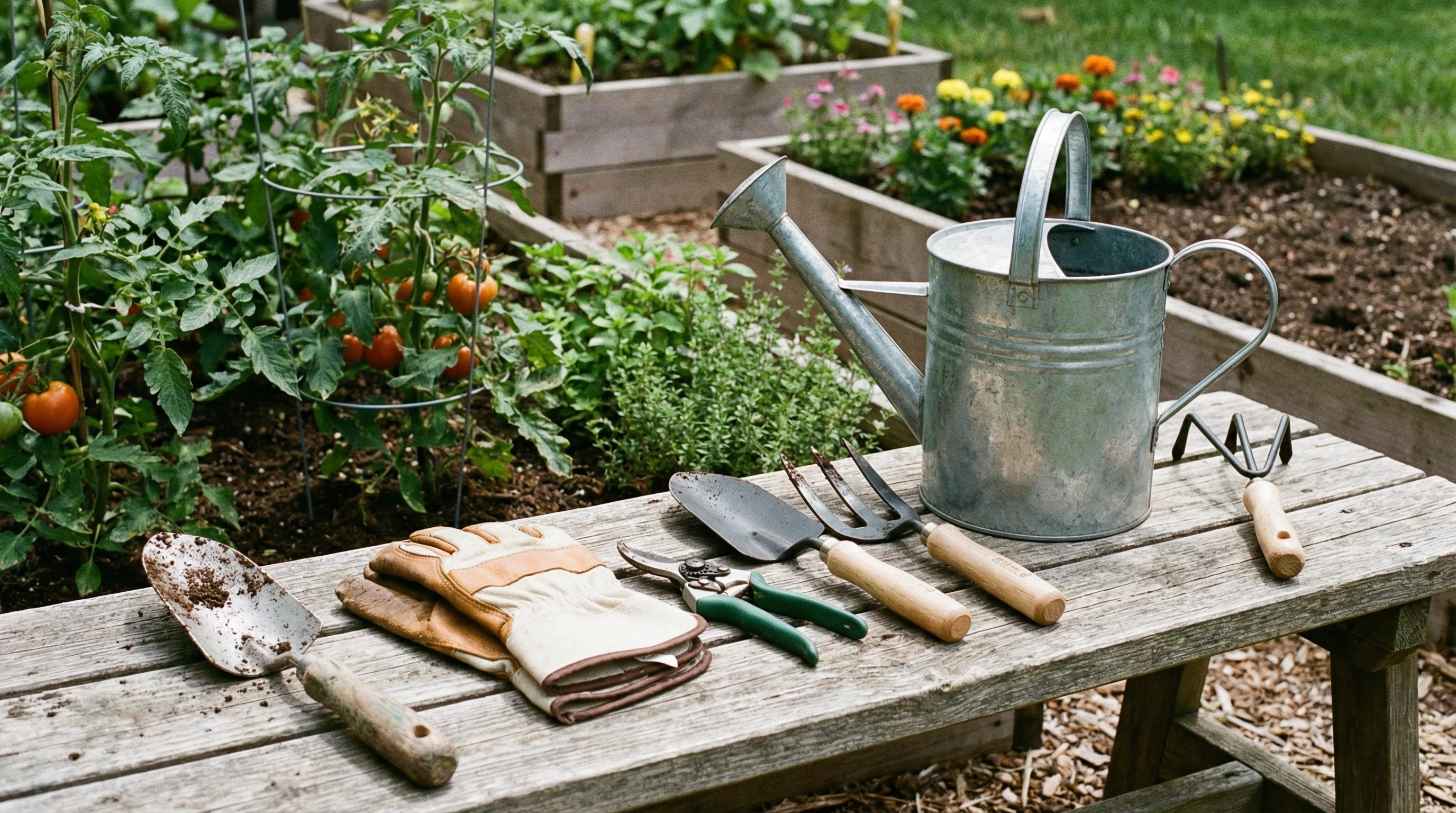
At first, there’s no need to go wild with fancy or expensive gear. I recommend these classic, tried and true tools that most gardeners (myself included!) keep within arm’s reach:
- Hand Trowel: Handy for digging small holes, transplanting seedlings, or scooping soil into pots. Look for one with a comfortable grip and a sturdy, rust-resistant blade.
- Garden Gloves: Protects your hands from blisters, thorns, and dirt. Breathable yet tough gloves make a big difference in comfort, and they last longer if you wash and dry them after each use.
- Pruning Shears: Also called secateurs, these are for snipping back dead growth, trimming herbs, and keeping your plants tidy. A sharp pair saves a lot of hassle and stress on your wrists.
- Watering Can or Hose: Even if you’re only doing container gardening, a watering can with a removable rose (the spout part) ensures gentle watering. For larger spaces or raised beds, a lightweight garden hose with adjustable nozzle keeps things efficient.
- Garden Fork: Super useful for breaking up tough soil, turning compost, or mixing in fertilizer. A hand sized version works well for pots, and a longer one works well for beds.
- Spade: For heavier digging, edging garden beds, or moving soil and compost. Go for a solid, comfortable handle that fits your height.
- Rake: Good for leveling soil, clearing leaves, and tidying up after big jobs. A steel rake handles the heavy lifting while a lightweight plastic one is perfect for clearing leaves.
Another practical beginner addition is a kneeling pad; it protects your knees and makes long weeding sessions much more comfortable. As you dig into gardening more deeply, you might also appreciate a sturdy bucket or trug for carrying soil, weeds, or harvests around.
A Quick Start Guide to Using These Tools
Getting familiar with your equipment and a few simple techniques helps to build confidence without feeling lost. Here’s a simple approach that works pretty well when you’re brand new to gardening:
- Get to Know Your Soil: Use your garden fork or spade to turn the soil and break up clumps, which helps aerate beds and gets rid of rocks and weeds.
- Plan Before You Plant: Sketch out where your plants will go or lay your containers out. This saves time (and backaches) when you get your trowel and start digging.
- Wear Gloves For Safety: Even tiny jobs can lead to scrapes or blisters. Gloves protect your hands and keep cleanup easy.
- Prune While Planting: Use your pruning shears to snip off broken or dead parts before putting new plants in the soil. It helps young plants thrive.
- Water With Care: Watering cans are perfect for controlling how much each plant gets, especially seedlings. Aim for the roots to avoid wetting leaves too much.
Working with just these basics helps you get used to the rhythm of gardening. As you practice, you’ll quickly get a feel for what each tool can do and what you might want to add later. If possible, reserve some time after each gardening session to look over your tools. A quick brush-off of dirt or a rinse under water goes a long way in giving them a long life.
Things to Consider Before Buying Your First Gardening Tools
There’s no need to grab everything at once, but there are a few things that help you pick smart when shopping for tools:
- Comfort and Handle Design: Look for gear that fits comfortably in your hand. If you have smaller or larger hands, make sure the grips feel secure.
- Material and Durability: Stainless steel or forged tools resist rust and last longer. Wooden handles have a classic feel and absorb shock, but fiberglass or padded handles can be even more comfortable for some folks.
- Size and Weight: Heavy tools can get tiring fast. Pick lighter versions when in doubt, especially for kids or anyone with mobility issues.
- Price vs. Value: It’s tempting to grab budgetfriendly gear, but higherquality tools usually last longer and make the work easier. Read a few honest reviews or check the return policy.
Caring for Your Tools
While not everyone loves cleaning after gardening, regularly wiping down tools or storing them indoors helps keep them working great for much longer. Oiling metal blades and tightening loose screws or bolts is all it takes for most gear. Investing in a small storage box, pegboard, or shed also prevents rust and keeps everything organized. Regular care also means your tools are ready to go the next time inspiration strikes, and you won’t lose time looking for them.
Expanding Your Kit Gradually
Once you’re comfortable with the basics, you’ll notice where you may need extras. Some gardeners like to add kneeling pads for comfort, a small wheelbarrow for moving bigger loads, or a garden hoe for weeding between rows. Only add new gear once you’re certain you’ll use it regularly; your budget and storage space will thank you. Don’t forget that sometimes local gardening clubs or community gardens hold tool swaps or lend equipment, so check out those resources if you want to try something new before buying.
Level Up Tips for Beginner Gardeners
As you use your new tools, a few extra tips can make things even easier and help you avoid some rookie headaches:
Stay Sharp: Keeping your trowel and pruning shears sharp cuts effort and helps you make clean, healthy cuts on your plants (less risk of disease spread). A small sharpening stone is really handy.
Use the Right Tool for the Job: Don’t push a hand trowel to do what a spade is best at. It helps your tools last and saves you time and energy.
Take Breaks and Hydrate: Gardening can sneak up on you in terms of how physical it gets, so rest your hands and drink water regularly, even on cool days.
Keep Tools in One Spot: Whether it’s a carryall bucket or a garden apron with pockets, knowing where everything is eliminates frustration midjob. Returning tools right after use is a helpful habit.
Pay Attention to Your Body: If your hand starts to cramp or your back gets sore, switch up your position or try a different tool for a bit. Comfort keeps gardening fun.
Real Life Scenarios: Basic Tools in Action
Every garden project calls for a bit of creativity in how you use basic equipment. Here are a couple of ways these core tools get put to work:
- Planting Herbs in Containers: A trowel helps you scoop potting soil into small planters, and gloves keep your hands clean if you’re mixing soil and compost. Watering cans offer control so you don’t overdo it and make a soggy mess.
- Starting a Raised Bed: Breaking up compacted dirt with a spade and garden fork is step one. After the dirt’s loose, use a rake to level it before planting. Pruning shears come into play to tidy up dead roots or trim seedlings before transplant.
- Clearing Leaves: Even with just a basic plastic rake, clearing paths or prepping a compost pile is quick and satisfying.
- Transplanting Seedlings: A sturdy trowel and gloves make this process easier and help reduce stress on young plants.
Frequently Asked Questions
These are a few questions I’m asked pretty often by new gardeners:
Question: How do I know which tool to use for which job?
Answer: Start with the basics; digging and planting usually just need a trowel or spade. Pruning shears are for anything you need to trim, while forks and rakes are all about moving and loosening soil or debris. Experience helps you figure out your favorites for each job.
Question: Can I use old kitchen tools if I don’t want to buy everything new?
Answer: You can! Old spoons, spatulas, or butter knives work surprisingly well for some tasks like planting seeds or dividing small plants. Just remember, they might not hold up to heavier jobs.
Question: How do I keep my tools from rusting or breaking?
Answer: Wipe off dirt and let tools dry before putting them away. Storing them indoors or under cover helps a ton, and gives them a much longer life. Oiling metal blades occasionally keeps rust at bay.
Final Thoughts
Building a beginner gardening toolkit doesn’t have to be a massive investment. Picking comfortable, reliable basics and building habits to care for your equipment pays off right away. As your confidence grows, so does your skill, and you might even find yourself eyeing those fancy gadgets down the line. For now, a small set of sturdy hand tools, a good pair of gloves, and your own curiosity are all you really need to start growing something great. Remember, gardening is as much about enjoying the process as it is about the end result; have fun, keep learning, and watch your garden thrive!