
Indoor plants bring a bit of nature into your home and make any space feel cozier, but getting the light just right can make a big difference in how they grow. After experimenting with everything from window sills to fancy shelf setups, I’ve learned that using grow lights can really help keep houseplants happy, especially when you don’t have enough natural sunlight. Here’s what I’ve learned (and wish I knew sooner) about using grow lights for healthier indoor plants.
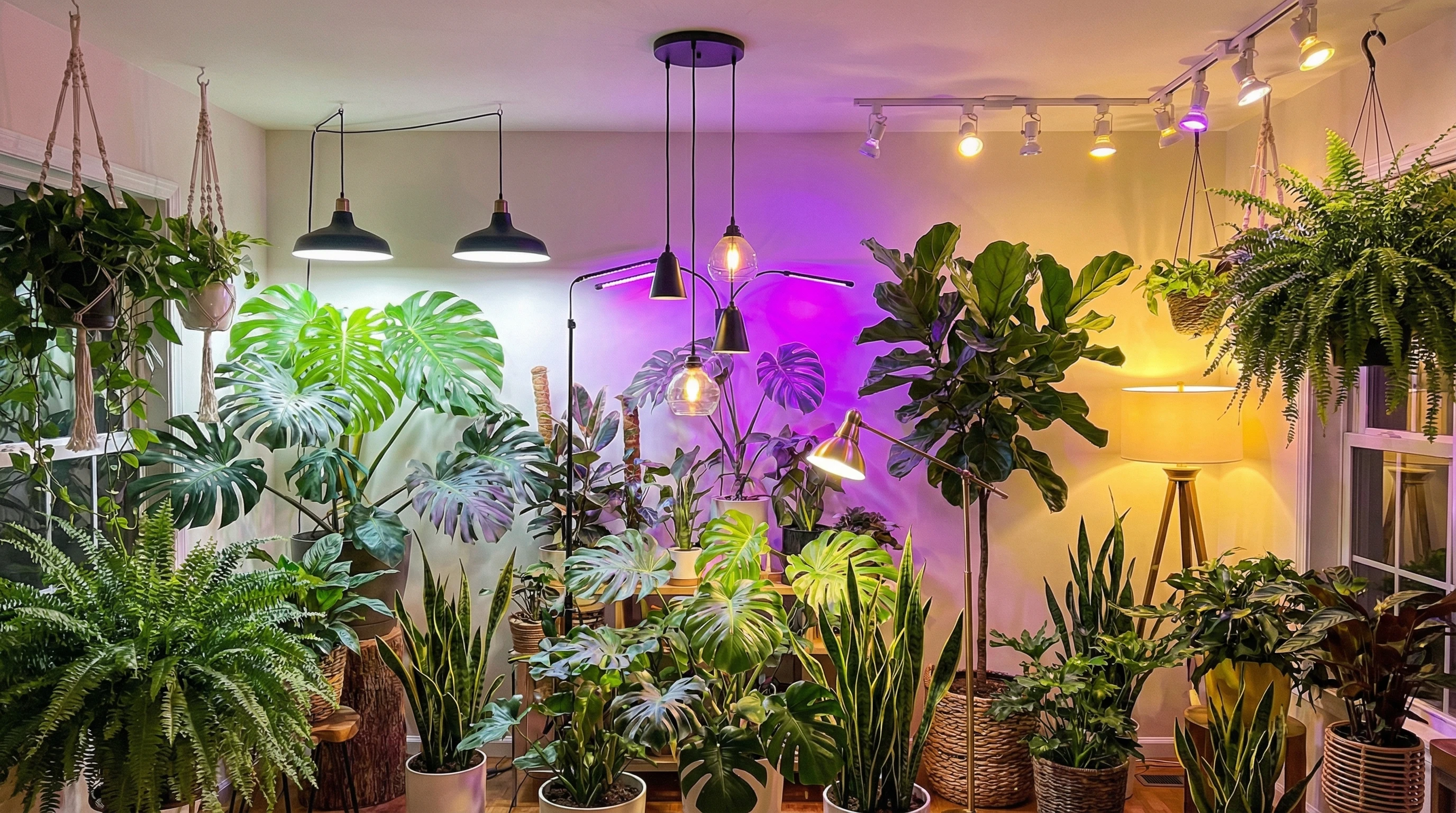
Understanding Grow Lights for Indoor Plants
If you’re dealing with low light in your home, you’re not alone. Most common houseplants need at least a few hours of bright, indirect light each day, but that’s just not possible in some apartments or rooms. Grow lights fill that gap by providing the wavelengths plants crave for photosynthesis. You’ll see options like LED, fluorescent, and even compact fluorescent bulbs, each with its strengths for different plant types and setups.
Good artificial lighting can help plants produce more foliage, bloom more often, and look a whole lot healthier. It’s an affordable way to expand your collection to include light-loving species like snake plants, fiddle leaf figs, or even herbs and succulents. Plus, having reliable lighting means you can set up your indoor garden just about anywhere, whether it’s your kitchen, living room, or an out-of-the-way hallway.
When I first set up a grow light, I was amazed at how quickly my spider plants and monstera perked up. An extra tip: if your home has different temperature zones, try placing lights in areas where plants won’t be stressed by drafts or excess heat.
Types of Grow Lights and Their Benefits
The grow light world can feel pretty overwhelming when you first start shopping, but here are the basics I’ve picked up along the way:
- LED Grow Lights: Energy efficient, longlasting, and cool to the touch. They’re a great fit for just about any plant and don’t cost a fortune to run.
- Fluorescent Lights: Classic tubes or compact bulbs. These are still popular because they do the job well and work in tight spaces, but they use a bit more energy than LEDs.
- Incandescent and Halogen: Not so common nowadays since they give off a lot of heat and aren’t energy friendly. I don’t recommend these unless you really need warmth for cacti or something similar.
For most people, fullspectrum LEDs get the job done and fit into existing fixtures. Fluorescents are helpful for seedlings or leafy greens. Both types are available at garden centers and online as strips, panels, or bulbs, depending on your setup.
It’s also smart to consider the shape of your growing area. For example, bar-style growing lights work well along shelves, while circular or round fixtures can spotlight individual plants. Experiment with different shapes to make the most of your available space and to make your indoor garden both functional and eyecatching.
Quick Start Guide: How to Set Up Grow Lights at Home
Getting started with grow lights comes down to three main choices: what kind of plants you’re growing, where you’ll put them, and what your space can handle. Here’s a step-by-step that’s made my plant life a whole lot easier:
- Pick the Right Light: For most houseplants, choose a fullspectrum LED with adjustable brightness.
- Set Up Position: Place grow lights about 6 to 12 inches above smaller plants and 12 to 18 inches above taller plants, adjusting based on the manufacturer’s instructions and plant needs.
- Set a Timer: Plants need a regular day/night cycle. Most do well with 12 to 16 hours of light daily. A cheap outlet timer makes this automatic.
- Monitor Growth: Watch how your plants react. Leggy stems mean the light may be too weak or too far away. Scorched leaves mean the light’s too strong or close. Adjust as needed.
Following these steps helps create a reliable, lowmaintenance setup where plants can really thrive, even in rooms with no windows. Plus, a timer not only keeps your plants on a steady schedule, it also means less tinkering for you.
You might want to group plants with similar light needs together to maximize the effectiveness of your grow lights. Tracking which plants are happiest under certain bulbs can also help you decide what to add to your plant family next time you’re at the nursery.
Important Things to Consider Before Choosing a Grow Light
I made a few rookie mistakes when starting with grow lights (like accidentally frying a peace lily by placing an oldschool bulb way too close). These are the main things you’ll want to check before picking up a new light:
- Light Intensity: Different plants need different intensities. Flowering or fruiting plants usually need stronger light than leafy houseplants.
- Spectrum: Make sure your grow light covers both red and blue wavelengths for healthy growth.
- Size and Coverage: Get a light that covers all your plants at once, or be ready to move plants around.
- Power Consumption: LEDs use less power, so you won’t run up your electric bill.
- Heat Output: Stick with LED or fluorescent lights if you have sensitive plants or worry about burning them.
Light Intensity
Softer lights might be fine for pothos and ferns, but cacti, succulents, or herbs need a stronger punch. Most packaging gives a clue about “lumens” or “PAR” (photosynthetically active radiation). It can feel techy, but higher numbers mean stronger light. Just remember, the brightest light isn’t always the best; matching the light strength to your specific plant’s requirements will keep them thriving without stress.
Spectrum
Red light supports flowering and fruiting, while blue light encourages leafy growth. Fullspectrum lights try to mimic sunlight, so they’re best for all-purpose growing. I stick to these to avoid overthinking every purchase.
Size and Coverage
If your light can only cover one plant at a time, you’ll spend more effort moving things around. Light strips or broad panels work better for groups of plants, while single bulbs work well for small setups or single pots. You may also want to double-check the manufacturer’s coverage recommendations for the most effective spacing.
Power Consumption
It’s no fun getting an electric bill that’s way higher than expected. LEDs keep costs low, and the upfront price is dropping each year.
Heat Output
Some bulbs get very hot, which may damage leaves or wilt tender seedlings. I prefer coolrunning LEDs or fluorescents, especially in small apartments or with delicate plants like African violets.
These little considerations can make your setup way easier to manage and keep your plants much happier.
Tips for Boosting Indoor Plant Growth with Grow Lights
Once your basic setup is ready, a few tweaks can really fast-track healthy growth. I’ve found these habits make a visible difference over just a month or two:
- Rotate Pots Weekly: This ensures every side of your plant gets light and grows evenly.
- Adjust Height as Plants Grow: Growing plants may get too close to the light; raise your fixtures as needed.
- Keep Lights Clean: Dust and grime block light. Wipe down bulbs and fixtures regularly.
- Pace the Light: Some plants enjoy a winter rest. Adjust your timer to mimic natural day length for tropical plants or short-day bloomers.
- Pair with Proper Watering: Plants under grow lights might use water faster. Check soil moisture more often, especially for ferns and calatheas.
Staying on top of these details keeps your indoor garden lush and reduces issues like leggy stems or pale leaves. It can also help you spot problems early, so you can fix any issues before they get bigger. A weekly routine of checking leaves, stems, and soil will help ensure every plant gets just what it needs for top-notch growth.
Best Real-World Uses for Grow Lights
Grow lights really open up possibilities beyond just keeping plants alive. After trying a few approaches, I’ve found some eye-catching ways to use them:
- Seed Starting: Getting a jump on spring with seedlings indoors means you don’t have to wait for warm weather.
- Herb Gardens: Kitchenquality basil, chives, or cilantro yearround, even in dark apartments.
- Flowering Houseplants: African violets, orchids, and anthuriums bloom much more reliably under controlled light conditions.
- Rare and Exotic Plants: Some plants from the jungle or desert love extra light and stay healthier, showing off colors and shapes you might not see otherwise.
I’ve seen plenty of home offices and living rooms get a major upgrade by adding a small grow light shelf packed with healthy, bright green plants. Grow lights can also give a boost to your home decor, making your living space look lively all year.
If you have a creative streak, try arranging grow lights to highlight your plant collection as a focal point in your home. It’s a surefire way to set a relaxing, green vibe and impress visitors.
Frequently Asked Questions
Here are a few answers to questions I get from friends (and had myself at first):
Question: Do all indoor plants need a grow light?
Answer: Not every plant needs one, but if you see slow growth, loss of color, or leggy stems, a grow light can help a lot, especially in rooms with limited sun.
Question: How close should grow lights be to houseplants?
Answer: This depends on the bulb and the plant. Around 6 to 12 inches works for most small or medium-sized plants, but check your specific light and adjust if leaves look singed or weak.
Question: Can grow lights run all day and night?
Answer: Plants need a dark period to rest, so it’s best to give them 8 to 12 hours of dark time daily. Using a timer takes out the guesswork.
Finding the Perfect Light for Your Space
Choosing the right grow light setup can give indoor plants a real boost, especially if your space doesn’t get great natural light. Whether you’re nurturing rare orchids, building an indoor herb garden, or just want your favorite monstera to look its best, picking the right lights helps a lot. Be patient. Plants take some time to adjust, but once you see strong new growth, it’s totally worth it. Experiment with positions, types, and schedules to find a routine that fits your life and makes your plants the happiest in the neighborhood.