If you’ve ever struggled with finicky vegetables or uneven garden yields, you’re definitely not alone. I’ve learned over time that your soil type isn’t just a background setting. It actually shapes which vegetables will thrive in your garden. Picking the right veggies for your specific soil makes gardening a lot more rewarding and a little less frustrating. So, I’ve put together some helpful tips for matching veggies to your garden’s soil type, plus some real talk about challenges and what you can do about them.
Understanding Soil Types For Vegetable Gardens
Soil goes way beyond just “dirt.” Every garden plot is a unique blend of particles, organic matter, moisture, and nutrients. Knowing what you have is super important because some vegetables love loose, sandy beds, while others do best in heavier, claybased soils. After a few years of experimenting in my own backyard, I’ve realized there’s no onesizefitsall answer.
The most common soil types you’ll find are sandy, clay, silt, loam, and chalky. Each one comes with perks and quirks that change what you can grow. Learning a little about how your soil behaves in wet and dry weather, and how it feels to the touch, makes veggie selection way simpler.
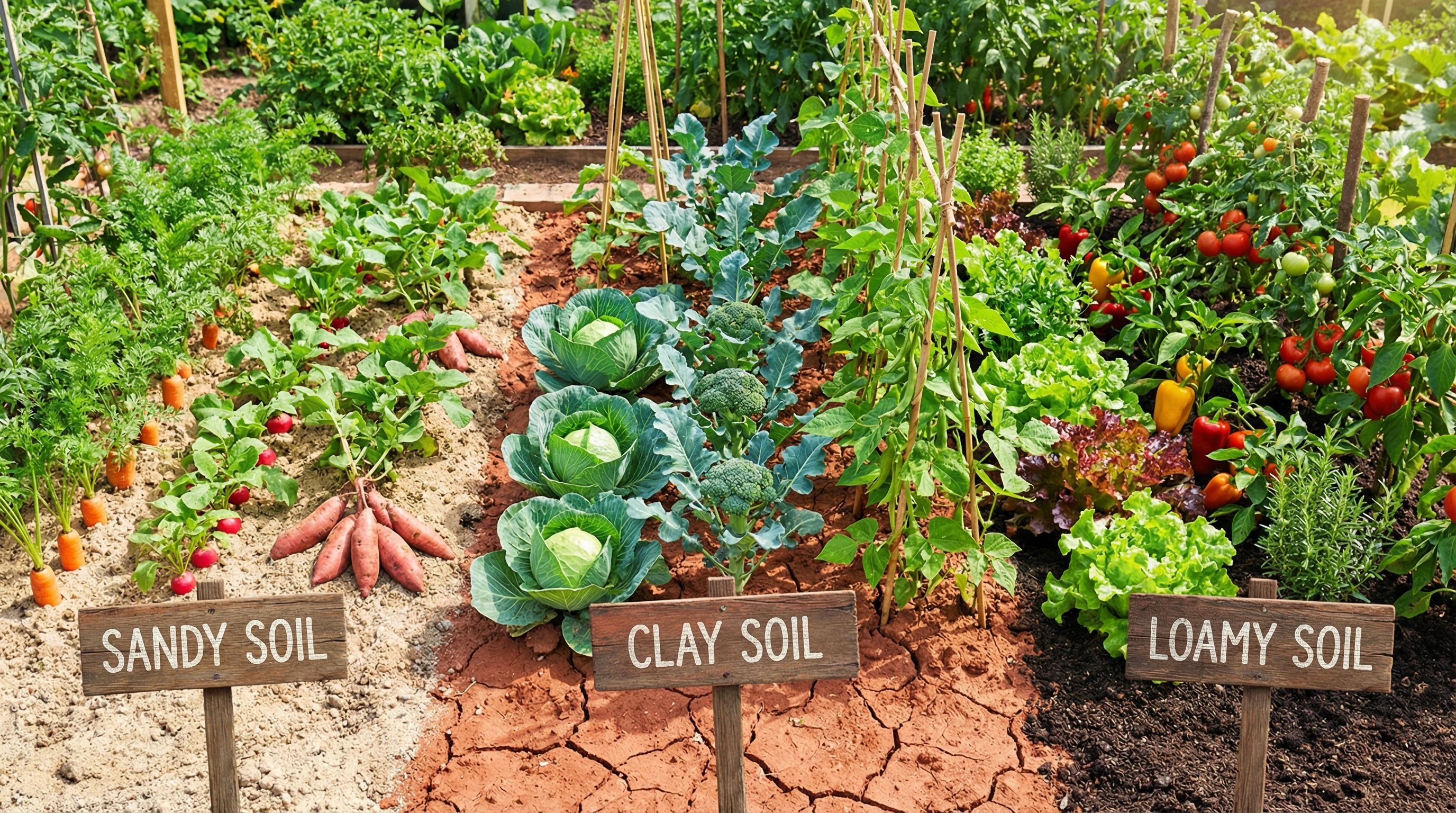
- Sandy soil: Drains quickly, warms fast in spring, but often needs more water and fertilizer.
- Clay soil: Holds moisture well, but can get waterlogged and dries out slow. Gets sticky!
- Silty soil: Smooth and slippery when wet, holds nutrients, but runs the risk of compacting.
- Loamy soil: Dreamy mix: part clay, sand, and silt. Holds water nicely and drains well. Great for most vegetables.
- Chalky soil: Often stony or alkaline, drains fast but can limit nutrient availability.
How To Identify Your Soil Type
Before you pick what to plant, a quick soil test saves you costly guesswork. You can buy an inexpensive soil test kit at any garden center, or make a DIY jar test to check how much sand, silt, and clay you have. Just fill a jar with soil and water, shake, and let the layers settle. Even the feel of your soil when wet tells you a lot. Sandy feels gritty, clay sticks together, and silt feels silky.
Garden extension offices or local nurseries sometimes offer detailed soil testing too. These tests measure pH and nutrients to give a full rundown, which is pretty handy if you’re planning a new vegetable bed or having trouble with your current patch.
Best Vegetable Choices For Each Soil Type
Certain veggies and herbs are surprisingly fussy about where they put down roots. Over time, trial, and extra reading, I’ve found which vegetables generally do the best in each soil type. Here’s how I match my picks to my own soil and help friends do the same:
- Sandy Soil: Carrots, radishes, potatoes, and onions handle the looseness and love the good drainage. Leafy greens like spinach can also do okay as long as you water evenly.
- Clay Soil: Broccoli, cabbage, brussels sprouts, and beans enjoy nutrientrich, heavier soils. Root crops like parsnips sometimes manage when clay is improved with compost.
- Silty Soil: Tomatoes, beets, lettuce, and zucchini all grow well. Silty soils are often rich, but you may have to keep them loose and wellaerated for roots.
- Loamy Soil: Pretty much anything grows here—think peas, cucumbers, peppers, carrots, beans, you name it. If you’re lucky enough to have loam, your options are wide open.
- Chalky Soil: Spinach, beets, sweetcorn, and cabbage don’t mind alkalinity. Watch for yellowing leaves (chlorosis), a hint certain plants aren’t happy with the pH.
Improving Your Soil For Vegetables
If you don’t have the “perfect” soil, you’re definitely not stuck. I’ve dealt with sticky clay and nutrientpoor sand, and there are lots of ways to fix up your soil without starting from scratch.
- Compost: Adding organic matter like compost is the best hack for almost any soil. It lightens clay, adds body to sand, and gives a boost to overall health for veggies.
- Mulch: A thick layer of straw or leaf mulch conserves water in sand and protects the surface roots in cold, wet clay.
- Gypsum: Useful for breaking up heavy clay (though it won’t work on sandy or chalky soils).
- Raised Beds: If your soil is extra stubborn, raised beds filled with custom soil mixes make it easy to control drainage and structure.
Sometimes the best move is working with what you have and just adding amendments slowly every season. Over time, your veggie patch becomes much easier to manage.
Main Things To Keep In Mind Before Picking Vegetables For Your Soil
Getting honest about your soil’s quirks helps you skip a lot of garden heartbreak. These are the main points I check every year before I plant new veggies or try unusual crops:
- Drainage: Test your soil by digging a small hole, filling it with water, and watching how long it takes to drain. Super important for root crops and lettuces; most vegetables hate wet feet.
- pH Levels: Most vegetables prefer slightly acidic to neutral soil (pH 6-7). If you have very acidic or very chalky soil, pick crops that can handle those edges, or plan to adjust with lime or sulfur.
- Nutrient Content: Pale leaves or poor growth can signal a lack of nutrition. Organic fertilizers or composted manure usually fix most deficiencies without a ton of fuss.
- Local Weather: Soil warms at different rates in spring. Sandy soil heats up fast, while clay takes its sweet time. Early crops may struggle if you plant too soon in cold, heavy earth.
Drainage Problems
If you have standing water or heavy, sticky soil after it rains, veggies like carrots or onions will bolt or rot. Mixing in sharp sand, building raised rows, or growing in mounds makes a huge difference in soggy gardens.
Soil pH Issues
Plants like potatoes and blueberries need acidic soil, while brassicas prefer alkaline or neutral. Using a basic pH test kit helps you avoid planting mismatches that just don’t grow.
Nutrient Deficiencies
Plants pull different nutrients from soil, and after a while, the balance can get off. Rotating where you grow certain crops each year, and topping up with compost, keeps your soil fresh and your veggies happy.
Adapting to Local Conditions
If your soil is tough, don’t worry. It just takes a bit of clever planning. If your summers are hot and dry and you have sandy soil, try growing deeprooted vegetables like carrots and make watering a priority. For colder or waterlogged gardens, stick with hardy greens and use mulch to keep beds usable through weird weather.
Extra Tips For Stepping Up Your Veggie Patch
Mixing and matching crops within one bed helps maximize what you can harvest. Companion planting, putting two or more veggie types together that get along, lets you work with your soil, not against it. I usually tuck fastgrowing radishes among slower brassicas or sneak in marigolds to break up heavy clay and repel bugs.
Keep an eye on how plants actually look. If leaves are yellowing or growth stalls, something’s not quite right with your match. If you have the patience, keeping a simple garden journal for a season or two is seriously helpful for finetuning.
Frequently Asked Questions
These are the questions I get most from friends and fellow gardeners trying to nail down their best veggie picks for tough soils:
Question: How do I quickly check my soil type?
Answer: The “squeeze” test is fast. Grab a handful of moist soil, squeeze, and see what it does. Sandy soil falls apart, clay stays in a clump, and loam holds together but crumbles when poked. For more detail, try a jar soil test.
Question: Can I grow root vegetables in clay soil?
Answer: It’s tricky but possible. Adding lots of compost and a bit of sand can help, and planting shorter root types (like round carrots) instead of long types makes life easier.
Question: What’s the best veggie for poor soil?
Answer: Beans, peas, and some herbs like oregano and thyme tolerate rough, unimproved soil pretty well. Beans even boost soil fertility by fixing nitrogen as they grow.
Question: Do I need to use fertilizer if I add compost?
Answer: Usually not, especially for leafy greens and standard crops. Heavy feeders like tomatoes and squash might need extra, so keep an eye on leaf color and size.
Final Thoughts On Choosing The Right Veggies For Your Soil
Matching vegetables to your soil type doesn’t just give a boost to your harvest—it saves you money, time, and effort too. Whether your patch is clayheavy or light and sandy, there are always vegetables ready to call it home. Paying attention to drainage, nutrient levels, and pH before planting lets you skip frustration and get healthier crops. Even tough soils can become great veggie spots with a few smart tweaks, making every gardening season a little more satisfying.
One more bonus tip: joining a local gardening group or asking neighbors what grows well in their soil often leads you to varieties or tricks you might not stumble upon online. Local advice brings out the best in your home garden adventure!