
Growing herbs at home fits perfectly into a busy city life, especially if you choose the easy-care varieties right from the start. Whether you want to add fresh flavor to your meals or a touch of green to your kitchen windowsill, picking low maintenance herbs is the way to keep things stress-free. I’ve found that a handful of resilient and forgiving herbs can seriously upgrade your cooking and your mood. The best part? You don’t need a green thumb, just a bit of knowhow to get going.
Getting to Know Low Maintenance Herbs
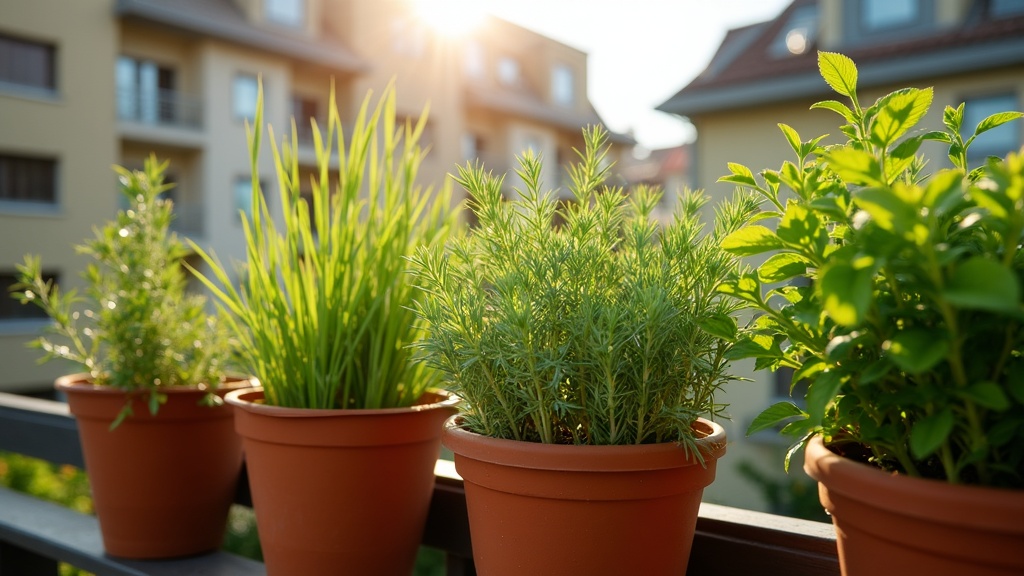
Low maintenance herbs are nature’s way of saying, “You’ve got this.” These plants handle a little neglect, bounce back if you forget a watering here and there, and aren’t fussy about every detail. Herbs such as rosemary, chives, mint, oregano, thyme, and parsley practically thrive on a lack of fuss, making them ideal for any city dweller who has a packed schedule or just a small spot on their balcony or kitchen counter.
Many of these herbs have been grown for centuries for both flavor and their toughness. Rosemary is famous for living a long time, and mint will often take over any pot if you give it the chance. These herbs have adapted to all kinds of climates and can handle a variety of conditions, so you don’t have to lock yourself into a complicated care system.
How to Pick the Right Herbs for Your Urban Space
Before you pick up your first herb pot or packet of seeds, here are a few things to think about:
- Light Conditions: Most of these herbs love sunlight, but a few can handle partial shade. Rosemary and thyme crave as much light as they can get. Parsley and chives, though, feel right at home with less direct sun.
- Available Space: Got a small balcony or just a kitchen ledge? Go with compact growers like chives or oregano. Parsley works great on a sunny windowsill. Room for big pots? Plant mint by itself—otherwise, it’ll spread quickly. Consider a robust rosemary if you have extra space.
- Watering Needs: Some herbs want their soil to dry out between waterings (like rosemary and thyme). Others, including mint and chives, like a bit more moisture.
Try to match your routine and living space to the herbs’ preferences. Select two or three hardy types to begin, and when you’re comfortable, you can always switch things up and try some new flavors. The simple start keeps it fun and manageable.
Top Low Maintenance Herbs Perfect for Busy Urban Gardeners
- Rosemary: Aromatic and woodsy, great in soups or roasted veggies. Needs sunshine and the occasional deep watering with little else.
- Mint: Easygoing and fast-growing but always use its own pot or it’ll crowd out other plants. Regular watering and some sunlight keep it thriving.
- Chives: Mild onion flavor that keeps coming back, even if you keep harvesting. Likes sun and does well in most pots.
- Oregano: Flavorful and tough. This herb just wants a sunny spot and the occasional watering. Works well in window boxes or smaller pots.
- Thyme: Great if you forget to water sometimes. Sun and well-drained soil are all it needs to bounce back, even with a bit of neglect.
- Parsley: Flatleaf or curly, takes partial shade and a range of watering. Grows well indoors, perfect for garnishes and adding freshness to your dishes.
All these herbs shrug off a missed watering and do wonderfully in containers or garden beds alike. You’re guaranteed a ready supply for your kitchen with minimal effort.

Simple Tips for Growing Low Maintenance Herbs in the City
Container gardening is one of the easiest solutions for urban homes, giving you control and flexibility. These are the basics for a lush mini garden:
- Choose the Right Pot: Make sure it has a drainage hole. Most herbs dislike soggy roots, so pots and soil that drain well are important. Clay pots are especially handy since they let soil breathe.
- Use Good Soil Mix: An all-purpose potting mix suits most herbs. For rosemary and thyme, mix in some sand or perlite for added drainage.
- Maximize Light: Even the sunniest herb does fine with about six hours of daylight. Place your pots where they’ll catch the most sun. Indoors, use a windowsill, or add a grow light during darker winter months.
- Water Properly: Too much water is worse than not enough. Wait until the top inch of soil is dry. This is key for rosemary and thyme, which don’t like to sit in wet soil.
- Air Circulation: Good spacing between pots improves airflow and helps prevent disease. Don’t crowd your herbs—they’ll appreciate the personal space.
- Regular Harvesting: Snip the tops frequently with scissors or by hand. This keeps the plants compact and bushy, and encourages more growth.
Things Worth Considering Before You Start Your Herb Garden
Each herb has its preferences, but with easy-care options, most challenges are minor. Still, a little planning gives the smoothest results:
- Pests: Aphids, spider mites, and the occasional whitefly might appear. Just give the leaves a rinse or use a mild soap solution if needed.
- Soil Concerns: Sometimes urban soil can be polluted, which is why using containers with fresh potting mix keeps your herbs safe and tasty.
- Sunshine Limits: North facing windows or shaded balconies don’t have to stop you. Rotate pots or add a simple grow light to support light loving herbs.
- Weather Issues: City heatwaves or cold snaps can dry out or damage herbs in containers. Move plants indoors if needed, add mulch, or shift pots around to offer protection from the elements.
Getting Around Common Problems
I’ve lost a few plants myself, mostly due to overwatering or simply forgetting to snip. My best fixes have been switching to clay pots for better drainage and setting reminders for watering or harvesting. Consistency keeps plants—and you—happier. Hands down, regular clipping gives a boost to growth and keeps everything healthy.
Handy Hacks for Even Easier Herb Gardening
Once your herbs are established, these tricks keep your garden as effortless as possible:
Group Herbs by Care Needs: Place the thirstier plants—like mint and chives—in the same spot so you can water them as a group. Put rosemary and thyme, which prefer drier soil, elsewhere for less frequent care.
Fertilize Lightly: Herbs aren’t heavy feeders. Use a diluted fertilizer just a few times a year for container plants. Too much can tone down the flavor.
Rotate Your Pots: Give your pots a spin every week to make sure every side gets light for even growth.
Refresh the Soil: Renewing the soil yearly helps keep nutrients high. Herbs like mint love being divided and started again in fresh soil for a growth boost.
Companion Planting: Try placing basil with chives or oregano with thyme for more efficient use of space and to add some variety to your windowsill garden.
Popular Uses for Fresh Herbs in City Living
- Culinary: Fresh herbs instantly boost your meals. Add parsley to salads, toss chives into scrambled eggs, or muddle mint into summertime drinks.
- Aromatherapy: Crushed rosemary or thyme makes an excellent pick-me-up. Mint infused water is another refreshing city treat.
- Decor: Small herb pots brighten up both your windowsills and balconies, and the vibrant green offers a natural escape from city gray.
- Homemade Gifts: Potted herbs or simple bunches wrapped in paper make thoughtful and useful presents for friends and neighbors.
Growing your own herbs makes home cooking easier and brings some relaxing greenery into your life—even a small batch is a big pick-me-up.
Frequently Asked Questions
Question: Which herb is the easiest for beginners?
Answer: Mint tops the list. It grows quickly, is tough to kill, and only asks for a little water and sun. Just remember to plant it by itself, since it spreads fast.
Question: Can I grow these herbs indoors year round?
Answer: Yes, as long as there’s enough light. A sunny spot or a simple grow light will keep most herbs happy all year.
Question: How often should I water my herbs?
Answer: Let the top inch of soil dry out between waterings. Just touch the soil—if it’s dry, it’s time to water. Overwatering does more damage than underwatering for these resilient plants.
Final Thoughts
Picking the best low maintenance herbs and giving them some basic care will keep things manageable and enjoyable, even in the busiest city setting. Start small and focus on robust varieties, and soon your personal urban herb garden will be bringing fresh flavor and a little green to your routine. It’s a small step with a big reward: tastier meals and a touch of nature, every single day.
As someone juggling city life between work and home, I really appreciate how you outlined the steps for planning a low-maintenance herb garden. The idea that herbs like rosemary, mint, and chives can thrive even with minimal care makes it feel achievable for my busy schedule.
I especially liked your reminder about matching herbs to their light and watering needs; it’s practical advice for small apartments or shaded balconies. Do you find that grouping herbs by their care requirements, such as keeping thirstier ones together, significantly improves their health when time is limited?
Hi Celia and thank you for your positive comment! Herbs have always presented a challenge to me, both in the garden and on my windowsill! I used to consider them my nemesis until I learned more about each plant, and different tricks and techniques through friends and gardening communities. You asked about grouping herbs to their needs, and yes, I have found it not only easier for me to maintain the herbs and the outcome has generally been more lush and healthier plants. I have also found that when transitioning herbs from outside to in, the “dormant” period is generally shorter, and the herbs thrive better.
Thank you again for your comment, and I’m glad you have found value in this article!
Happy Gardening!
Pauline