If you’re looking to start a veggie garden, you’ve probably noticed there are a ton of choices out there. Root vegetables like carrots or beets, and leafy greens such as lettuce or kale, both offer their own benefits and challenges. Picking between them isn’t always clear-cut, especially if you’re short on space or time and want the best shot at a healthy harvest. Here, I’m sharing the main things to consider when deciding whether to grow root vegetables or leafy greens so you can make a choice that matches your garden goals and lifestyle.
Comparing Root Vegetables and Leafy Greens: What Makes Them Different?
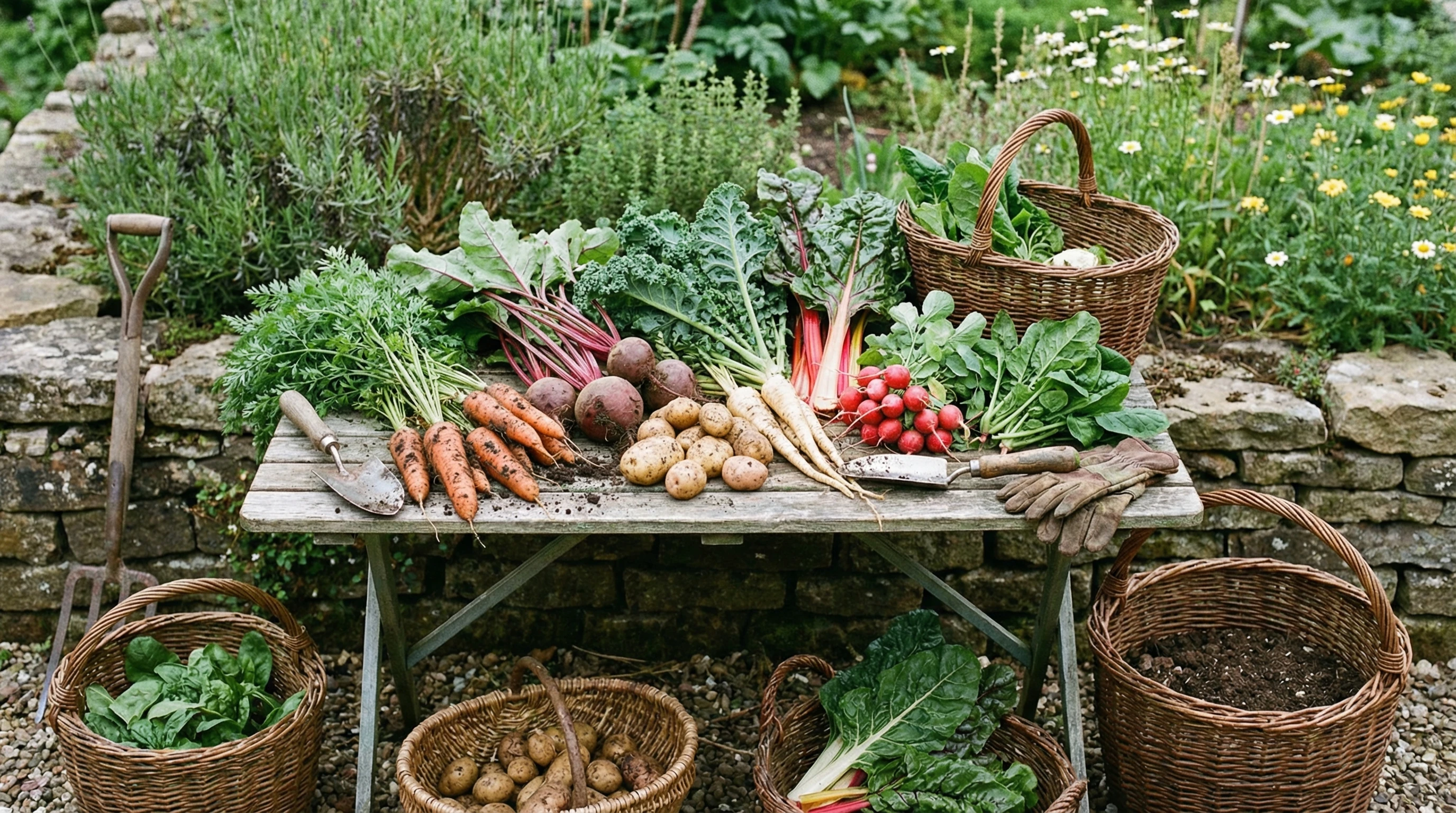
Understanding the differences between root veggies and leafy greens helps narrow down what will work best for your setup. Root vegetables, like carrots, beets, radishes, and potatoes, grow underground. You won’t see much until harvest, but they store well and often need a bit more patience or deeper soil. Leafy greens, including lettuce, spinach, swiss chard, and kale, have their edible leaves above ground and tend to grow much faster. You can often pick as you go, which is super handy if you want a regular supply of fresh greens.
When I started my first garden, I experimented with both types. I noticed right away how much quicker spinach and lettuce were ready to snip—sometimes in as little as four weeks. On the other hand, carrots and beets felt like more of a long game, but nothing beats the taste of a carrot pulled fresh from the garden. Think about whether you want fast, repeated harvests or if you’re okay with waiting for a rewarding surprise under the soil. Plus, leafy greens can add great color and texture to your dishes, while root veggies open up doors for hearty soups and winter stews. Considering what you’d like to cook with might also help you make your choice.
What to Know About Your Space and Soil
One of the biggest factors is your available gardening space and the kind of soil you’re working with. Leafy greens don’t need deep soil since their roots are pretty shallow. Even a few inches in a raised bed, pot, or window box can support a nice bunch of lettuce or kale. They thrive in loamy, fertile soil packed with organic matter, but they’ll also give fair results in less-than-perfect conditions. If you’re tight on space or just have a sunny balcony, leafy greens really make sense.
Root vegetables want loose, well-draining soil that’s free from rocks and chunks. Hard, compacted soil leads to twisted, stunted roots, as I found out the first year I tried carrots in clayheavy dirt. If you have shallow beds (less than 8 inches deep) or containers, go for leafy greens. For those who can dig deeper beds or want to try a root crop, mixing in compost and sand helps roots grow straight and strong. If you’re unsure about your soil, a quick DIY squeeze test tells you if it’s more clay, sand, or loam, which is a handy starting point. Also, a soil test kit from a garden center can help you track down any missing nutrients, laying the groundwork for a better harvest all around.
Timing and Harvest: How Fast Do You Want Results?
If you’re eager to see results or want a steady supply from your garden, leafy greens are tough to beat. Crops like arugula, spinach, and lettuce sprout in just a few days and can be harvested young, growing back after you snip a few leaves. This “cut and come again” approach is really appealing if you want a salad every week. And, with the right timing, you can even stagger several crops in a single season for ongoing meals.
Root veggies are more of a patience project. Quick growers like radishes can mature in under a month, but others like beets or carrots could take 2-3 months or more. They’re less suited to frequent harvesting, so you’ll typically do one big pull when they’re ready. If you run a busy schedule and can’t check on your garden daily, root vegetables can be more forgiving since you aren’t harvesting constantly. It’s great to check back in a couple months and have a stash of vegetables to show for it.
Which is Simpler for Beginners or Low Maintenance Gardeners?
For anyone just getting started, leafy greens usually offer a quicker learning curve. They give clear signs when something’s off; they wilt when thirsty and perk right up after watering. Most pests are easy to spot, and you’ll know if you left your greens too long because they start to bolt (flower and get bitter). Plus, many leafy greens do fine with part sun and bounce back even after a rough patch, making them perfect for experimenting gardeners or those with less reliable sun spots.
Root vegetables can get a bit trickier. Since everything happens underground, problems like weird root shapes or pest damage can go unnoticed until harvest. Germination for carrots and parsnips is slow—sometimes inconsistent—which can be frustrating. But, if you’re willing to boost your soil and stay patient, root veggies can be just as rewarding. Mixing in fastgrowing radishes with slower carrots is a classic trick for filling gaps and marking rows, making root gardens a bit easier to manage.
Climate and Season: What Grows Well When?
Both root veggies and leafy greens shine in cool seasons, but local climate matters. Leafy greens are champs at tolerating chilly spring and fall temps, with some types, like kale, lasting even through light frost. They tend to struggle in high heat, which causes bolting and bitterness. Plan to plant early in spring or late summer for leafy crops, maximizing your growing season and flavor.
Root crops are generally cool weather fans too, but some—like sweet potatoes—want hot soil. Carrots, turnips, and beets do best in spring or fall. The timing can be a dealbreaker if you live somewhere with sweltering summers or very short growing seasons. Checking your USDA hardiness zone or asking at a local nursery helps take the guesswork out of crop timing. Plus, don’t be afraid to ask neighbor gardeners about their triedandtrue timelines for planting; local experience can be a real shortcut.
Common Challenges and Tips for Each Type
- For Root Vegetables:
- Soil Prep: Deep, fine soil is super important for straight, healthy roots.
- Thin Seedlings: Overcrowding leads to small, spindly roots; thin seedlings early to give each plant room.
- Pests: Carrot flies, root maggots, and nematodes can be a pain. Floating row covers and crop rotation go a long way.
- For Leafy Greens:
- Water Regularly: Greens dry out quickly. Consistent watering keeps them crisp and growing fast.
- Watch for Pests: Slugs, aphids, and caterpillars love leafy plants. Hand-picking, organic sprays, or beer traps are all worth trying.
- Bolting: Once the weather heats up, many greens turn bitter. Harvest often or plant boltresistant varieties if summers warm up fast in your area.
Practical Scenarios: Which Should You Grow?
- Small Spaces or Containers: Leafy greens are fantastic in patio pots or small raised beds. Harvest often for continuous salads and fill your space with color and nutrition.
- Long-Term Storage: If you want homegrown produce in the fall and winter, root veggies like carrots, beets, or potatoes can be stored for months after harvest. Just keep them cool and dark.
- Kids’ Gardens or Quick Projects: Radishes and salad greens both come up fast, offering instant gratification to keep youngsters interested. Seeing that first sprout pop up is such a thrill for new gardeners.
- Minimal Maintenance: If you want something you can plant and mostly leave alone, most root crops work well. Just weed and water occasionally, then harvest all at once. This works well if you take summer vacations or have unpredictable schedules.
Advanced Tips to Boost Your Garden Success
If you’ve already tried one type and want to take your skills up a notch, here are a few tips I’ve picked up:
Mix and Match: Don’t feel limited to just one group. Interplanting carrots and leaf lettuce, for example, helps make the most of space and gives you the best of both worlds. Combining deeprooted and shallowrooted plants often lets you squeeze more yield from the same garden bed.
Succession Planting: For ongoing harvests, plant a new row of leafy greens every couple of weeks during the growing season. For root crops, stagger small plantings to avoid a giant harvest all at once. This way, you aren’t overwhelmed all at once and can enjoy veggies at their peak.
Rotate Your Crops: Switching where you plant each year reduces pest issues and keeps your soil happy. Rotating your root crops with greens or legumes helps cut down on disease and keeps soil nutrients in balance, giving your veggies a real boost year after year.
Try Unusual Varieties: Heirloom beets or colorful chard add fun flavors and looks to your plate, while purple or rainbow carrots are especially eye-catching and nextlevel cool — worth checking out for anyone getting a bit bored with basic greens or orange carrots. You might stumble upon a new favorite just by playing around with these lesscommon veggies.
FAQs About Choosing Between Root Veggies and Leafy Greens
Is it possible to grow both in the same garden?
Absolutely. Many gardeners plant root veggies and leafy greens side by side. I find this gets the most out of my raised beds and adds variety to meals.
Do root vegetables need more fertilizer than leafy greens?
Not always, but they do benefit from balanced nutrients. Too much nitrogen, which leafy greens love, can cause big green tops on root veggies with tiny roots, so check your fertilizer blend or go for compost. Make sure you’re not just feeding leafy growth if you want solid, healthy roots.
If I have only partial sunlight, which is better?
Leafy greens generally handle part shade better than root vegetables, which really want full sun for the best roots. If your spot gets less than 6 hours of direct sun, leafy greens are the way to go.
How do I know if my soil is good for root veggies?
After a rain, grab a handful of soil and squeeze it. If it falls apart quickly, it’s great for root crops; if it clumps solid and feels sticky or hard, work in compost and sand before sowing carrots or beets. Regularly mulching also helps improve the soil over time.
Final Thoughts on Making the Right Choice
Deciding between root vegetables and leafy greens really comes down to what fits your gardening style, space, and meal plans. If quick harvests, repeat picking, or container gardening appeal to you, leafy greens are a friendly place to begin. For those craving a longerterm project and rewards you can store into winter, root vegetables are the way to go. Mixing a bit of both has worked best for me and offers flexibility no matter what surprises the growing season throws your way. If you’re just starting out, jump in with whatever excites you most. Happy gardening!