Gardening in a city apartment might seem tricky, but it’s a surprisingly rewarding way to bring some calm and fresh air into your day-to-day life. You don’t need a big backyard or a fancy balcony to start growing your own herbs or flowers. Even with limited space and sunlight, there’s a bunch of creative gardening ideas you can try right inside your apartment. Here, I’m sharing my experience, with plenty of practical tips, so you can start a mini garden, even if you’re short on space or have never lifted a watering can before.
Why Urban Apartments Are Perfect For Small Scale Gardening
Lately, city dwellers are turning to indoor gardening for fresh produce, cleaner air, and a little bit of nature at home. It’s not just about trendy houseplants; growing something in your own apartment feels pretty satisfying. The indoor gardening market is growing fast, and plant care brands are popping up everywhere, which makes it easier to get started.
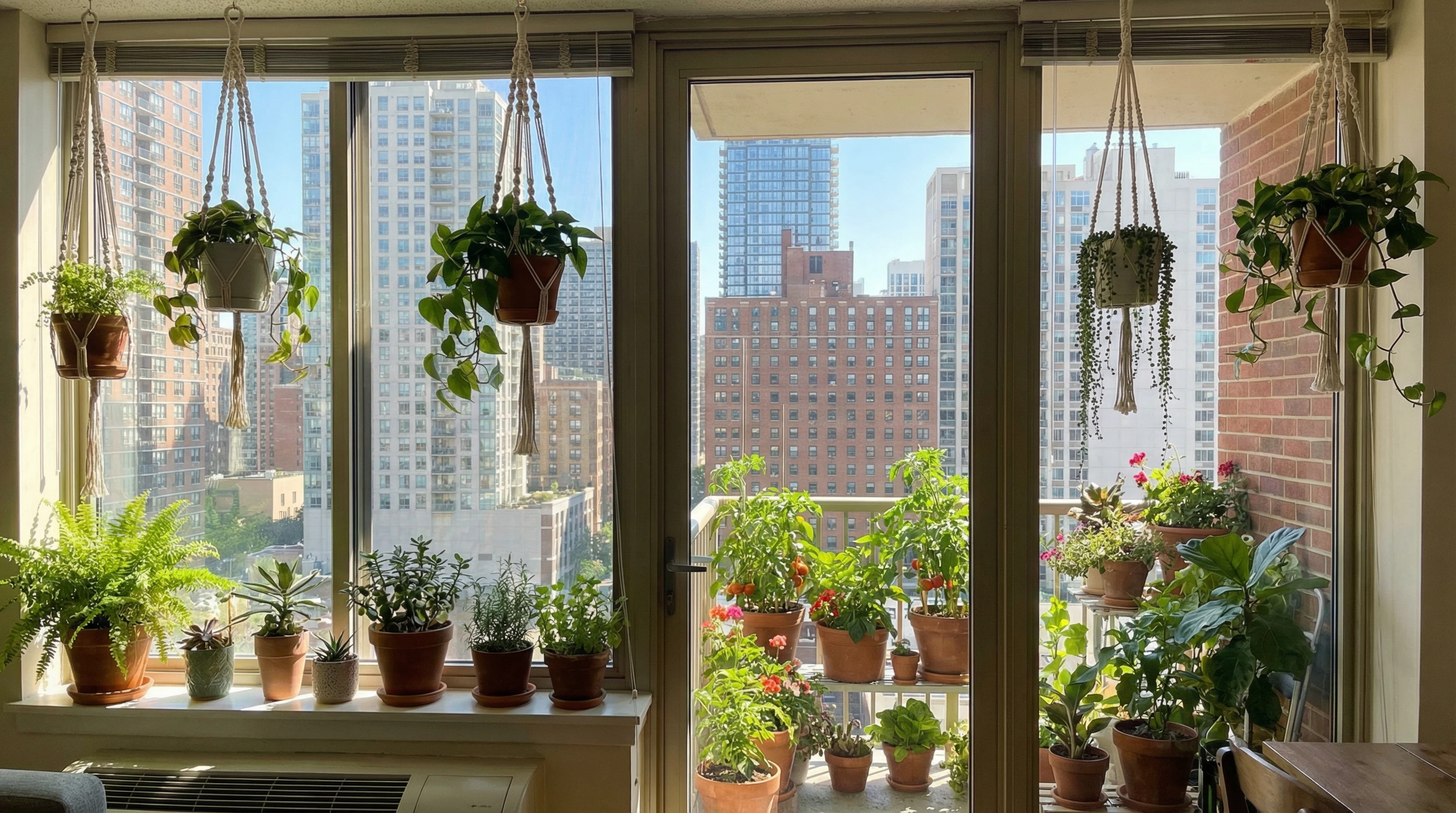
Living in an apartment usually means less outdoor space, but it also pushes people to be more creative. From hanging planters in bright living rooms to growing herbs on windowsills, there are plenty of ways to make the most of even the smallest corners. Plus, having a bit of greenery around is shown to help reduce stress and boost mood, especially if you work from home most of the time.
Many urban gardeners start because they want a fresher feel in their apartment or want to grow their own food without the need for a backyard. Whether you want to grow a few kitchen herbs, set up a living wall, or just fill your windowsill with succulents, there’s an option for everyone. The sense of accomplishment you’ll get from nurturing plants from seed to sprout is hard to match, and your indoor space will instantly feel more alive.
Getting Started: What You Need For Apartment Gardening
Starting a garden in an apartment doesn’t require tons of supplies or experience. Basic setups are totally doable and can be expanded when you get the hang of it. There are a few essentials you’ll want to pick up before you start:
- Planters and Pots: Choose containers with drainage holes. Lightweight materials like plastic or resin are easy to move and don’t make a mess in small spaces. Recycling containers you already have can be a fun way to get started too.
- Potting Mix: A good quality indoor potting mix helps roots drain well and keeps your plants healthy. Skip garden soil, as it can bring in bugs and is usually too dense for container gardening indoors.
- Seeds or Starter Plants: For beginners, small starter plants are easier than seeds. If you want to go from scratch, herbs like basil or mint are usually pretty forgiving and start sprouting quickly.
- Watering Can or Spray Bottle: Small watering cans with narrow spouts and misting bottles work great for gentle watering, especially with delicate plants or seedlings. If you travel often, look for selfwatering planters or even a basic drip irrigation kit.
- Light Source: Natural sunlight is best, but grow lights are becoming more popular and budget friendly for apartments that don’t get much direct sun. Some modern LED grow lights are eye-catching enough to double as decor.
If you want to jump in further, you might want to consider humidity trays, plant stands or rolling carts to move your plants around to catch the best light. These little extras can make caring for your mini garden smoother and more fun.
Picking The Best Plants For Apartment Life
Not every plant is going to thrive inside an apartment, but some are definitely easier to keep happy than others. Here’s a quick rundown of plants that usually do well indoors and don’t require a green thumb:
- Herbs: Basil, mint, parsley, thyme, and chives love kitchen windowsills. They don’t take up much room and are handy to cook with. Plus, fresh herbs can add tons of flavor to your meals.
- Leafy Greens: Spinach, arugula, and lettuce grow fast and don’t mind lower light. Window boxes or deep trays work well for these, and you’ll be surprised at how crisp homegrown greens taste.
- Succulents and Cacti: These are nearly maintenance free, needing just a bright spot and a bit of water now and then. They’re also eye-catching and come in lots of unusual shapes and colors.
- Spider Plants and Pothos: These are great for airpurifying, super hard to kill, and perfect for beginners. Both can thrive in lower light and are forgiving if you forget a watering or two.
- Dwarf or Patio Varieties: Some tomatoes, peppers, and even dwarf citrus trees can thrive indoors if you’ve got enough light and bigger pots. Look for “container” or “patio” plants at your local garden center.
Start small, and see which plants you enjoy taking care of before going all in on a full apartment jungle. Watching plants grow and thrive is motivating and gives you a chance to build up your skills. Growing from seed is fun but slow; mixing in a few established plants lets you see quick results.
Step By Step Tips To Kick Off Your Indoor Garden
With the right stuff in place, getting your apartment garden up and running doesn’t have to be complicated. Here’s how I recommend getting started:
- Find Your Light: Different plants need different amounts of sunlight. South facing windows are usually the brightest, while east or west give decent indirect light. Check how much sun each area of your apartment gets before choosing plant spots, and move your setup if needed as seasons change.
- Pick Your Plants Smartly: Choose plants that match the light you have. If sun is scarce, go for lowlight options or invest in an LED grow light. There are plenty of lists online to help track down the best lowlight plants.
- Set Up Watering Routines: Most new plant parents water way too much. Plants in pots dry out faster but also don’t need to be constantly soaked. Stick your finger in the soil: if it feels dry one knuckle deep, it’s time to water. Err on the side of slightly dry with cacti and succulents.
- Feed When Needed: Use a liquid fertilizer every month or so during the growing season. Skip it in winter unless you have grow lights and your plants are still thriving. Overfeeding can hurt more than help, so stick to labeled instructions.
- Keep Things Clean: Sweep up dead leaves and wipe dusty leaves with a damp cloth. Cleanliness helps prevent bugs and keeps your apartment fresh. Regularly rotate your plants to make sure all sides get light, keeping growth even.
If you’re feeling eager, set reminders on your phone for watering and feeding days. Tracking your plant care routine makes it easy to spot what’s working and what needs tweaking.
Common Challenges Urban Gardeners Run Into (And How To Fix Them)
- Low Light: A lot of apartments don’t get great sunlight, especially during winter. Try moving plants closer to bright windows or grab a basic LED grow light. Some leafy greens and herbs are more forgiving of lowlight conditions, so opt for those if you’re worried.
- Humidity: Indoor air gets dry, especially in winter. I find misting plants or putting pebbles in a shallow tray with water under the pots adds some moisture back to the air and keeps plant leaves perky. If you see brown leaf tips, it’s probably too dry.
- Pest Control: Small bugs can show up, especially if you buy plants from garden centers. Inspect new plants, wipe leaves, and if needed, spray soapy water to keep bugs away. Keeping soil debrisfree and good airflow cuts down on most pests before they become a problem.
- Space Limitations: Vertical gardening, using hanging pots or wall planters, opens up way more planting options without cluttering your floors or countertops. Even a shoe organizer on the back of the door can work as a hanging mini garden!
Dealing With Limited Light And Space
Space and sunlight are probably the biggest hurdles in apartment gardening. One trick I use is to rotate your pots every couple of weeks, so each plant gets even light on all sides and grows evenly. There are also a bunch of stylish wallmounted planters and hanging garden systems that give you more flexibility with where you grow things. Multipurpose furniture, like side tables with built in planters, can help maximize your green space without crowding your room.
Watering Mistakes
Overwatering is one of the most common ways to accidentally kill indoor plants, especially those in smaller containers. Use pots with drainage holes and saucers underneath, and check the soil before adding water. If you’re forgetful, selfwatering pots are worth a look; they store extra water so your plants can drink as needed. Grouping similar plants together can help keep their care routines the same and avoid mixups.
Cost and Mess
Starting a garden doesn’t need to cost a lot. Repurpose old containers, cups, or jars as planters (just add some drainage stones at the bottom). Put down a plastic mat while potting and transplanting to keep soil from getting everywhere, especially in rental apartments where keeping things tidy is super important. There are even DIY plant stand ideas using recycled materials if you want to get creative and personalize your mini garden.
Keep in mind that gardening is a slow hobby; growth can take weeks or even months, especially from seed. Enjoy the process, and don’t stress if things don’t look perfect right away. Every plant you nurture is a learning experience and adds character to your space.
Easy Upgrades And Cool Ideas For The Ambitious Apartment Gardener
Once you’re feeling confident with your windowsill plants or mini herb garden, there’s a whole world of creative ideas to try:
Hydroponics Kits: These soil free systems are clean, modern, and surprisingly easy—even for beginners. Some countertop hydroponic gardens handle watering and lighting for you, making it super low maintenance and ideal for busy folks.
Living Walls: Vertical planting kits help you cover a patch of wall with cascading greens or flowers. These add some serious wow factor to your space, turning a plain wall into a living piece of art. Choose easy care plants if you want a low hassle setup, or mix in flowering varieties to add color.
Balcony or Fire Escape Gardening: If you’ve got any kind of outdoor space, expand with hanging baskets or stacking planters; just double check your apartment building’s rules first. Even a few planters outside can give a big boost of color and scent.
Smart Sensors and Timers: Tech gadgets can remind you when to water, check soil moisture, or automatically run your grow lights. These are handy for busy people or frequent travelers, making it easier to stick with your plant care routine and avoid common mistakes.
Looking for inspiration? Sites like the University of Illinois Extension (Container Gardening Guide) offer guides and plant lists for urban gardens. Community garden groups, blogs, or even social media hashtags like #UrbanJungle are packed with city gardener tips to check out.
Frequently Asked Questions
There’s a few common questions that pop up when getting started:
Question: Which vegetables can I realistically grow in my apartment?
Answer: Herbs, leafy greens, small peppers, cherry tomatoes, and microgreens are the easiest and best suited for indoor growing. They don’t need deep containers or tons of light, and you’ll get harvests quickly. If you have more light, try compact bean or radish varieties.
Question: Do I need a grow light?
Answer: Not always, but if your place doesn’t get several hours of bright daylight, a basic LED grow light helps a lot. They’re energy efficient and fit on most bookshelves or countertops. Even a simple desk lamp with a plant bulb can help fill in for cloudy days.
Question: How do I deal with bugs or gnats?
Answer: Check plants before bringing them home, avoid soggy soil, and use sticky traps or soapy water if needed. Good airflow and regular cleaning help prevent most issues before they start. Adding a layer of sand or fine gravel on top of the soil can make it harder for gnats to lay eggs.
Final Tips For Keeping Your Apartment Garden Healthy
One of the best parts of apartment gardening is how customizable it is. There’s no right or wrong way to do it; try different setups, see what plants you like the most, and tweak it as you go. I’ve learned that being patient and experimenting is key. Sometimes plants don’t work out, but that’s part of the adventure. Water, sunlight, and a bit of attention go a long way, and you’ll be surprised at how much a few plants can change your space, and maybe even your mood.
Any size apartment can become a mini garden oasis with a little time and creativity. Enjoy the process, celebrate small wins, and don’t be afraid to get your hands a little dirty. Happy gardening!