Gardening with an ecofriendly mindset means more than just having pretty blooms or baskets of homegrown vegetables. When I began focusing on greener gardening habits, I realized just how much even a modest backyard or a string of pots on a balcony can help support the planet. There are plenty of little steps and smart choices that add up, cutting back on waste, using fewer resources, and making our outdoor spaces healthier. It’s a win for pollinators, pets, and people. This guide lines up the practical tips, quick wins, and a bit of firsthand knowhow that can help anyone set up an ecofriendly garden at home.
Why Ecofriendly Gardening Matters For Households
Ecofriendly gardening isn’t just about skipping chemicals. It’s actually a blend of practices that support local wildlife, build healthy soil, and help conserve resources like water and energy. Choosing greener habits at home offers a direct way to trim down your household’s environmental footprint.
The Environmental Protection Agency (EPA) reports that up to 30% of household water use is for lawns and gardens, especially in hot climates. That’s a lot, and with smarter plant choices and better watering, you can shrink that figure fast. Chemical pesticides, synthetic fertilizers, and invasive plant species can also harm native insects and birds, so even just one home garden can be part of the fix by working with what nature gives us instead of against it.
Some people wonder if ecofriendly gardening is harder or more expensive at first, but most of the changes save time and money in the long haul. My own garden became more selfsupporting and less of a chore when I started using native plants, making compost, and encouraging beneficial bugs like bees and ladybugs to manage pests.
Starting An Ecofriendly Garden At Home
Getting rolling with green gardening is all about simple changes that stack up over time. Here are the basics I recommend for beginners wanting a garden that’s gentle on the planet:
- Grow Native Plants: Native plants use less water and fertilizer because they already fit your climate and soil. Plus, they feed local butterflies and bees. To check out what works in your area, search the Audubon Native Plants Database.
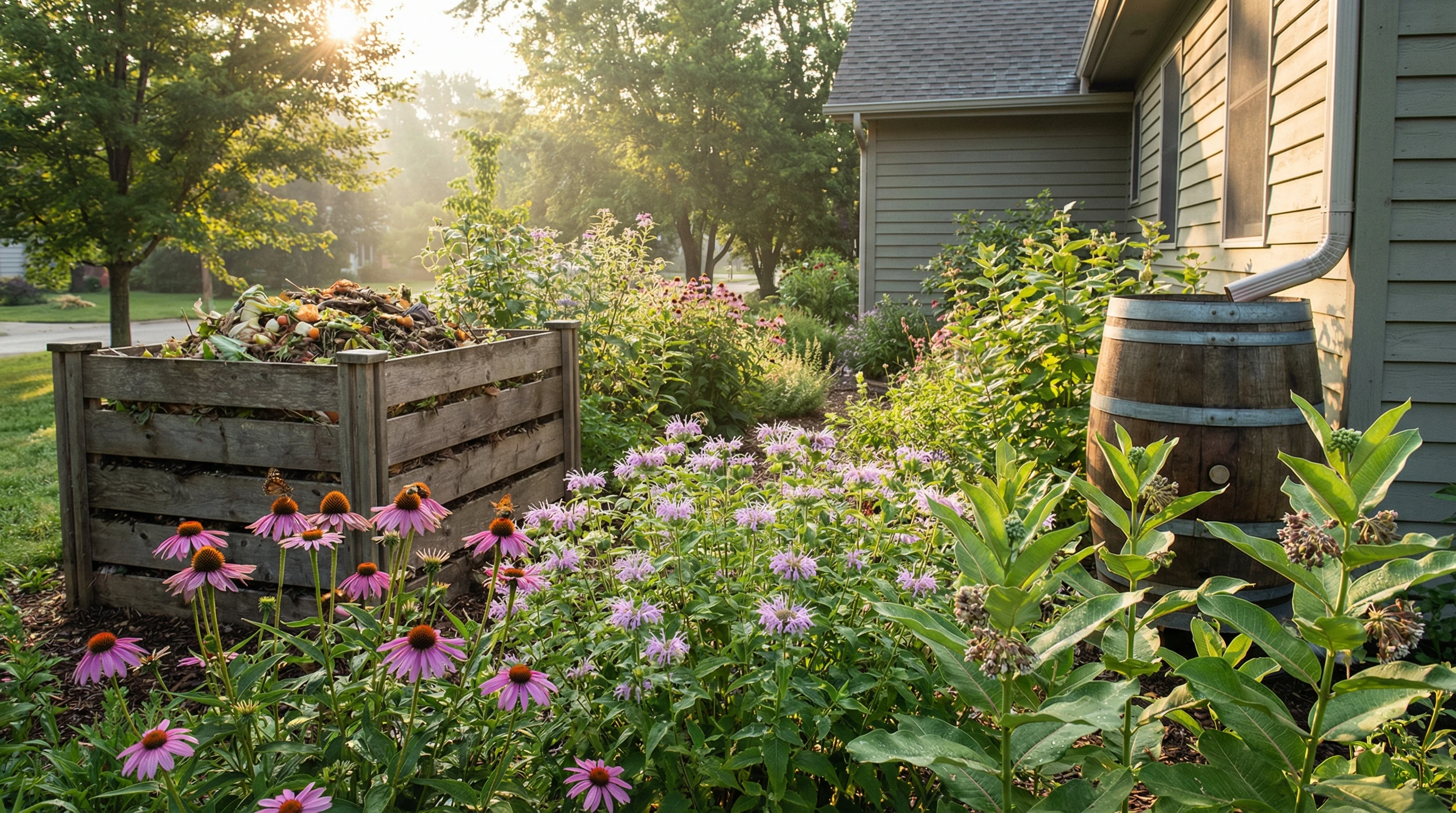
- Compost Kitchen And Yard Waste: Nearly all my fruit peels, coffee grounds, and grass trimmings become compost – a natural plant food that’s free and good for the soil. Composting slashes landfill waste and lessens the need for storebought fertilizer.
- Rethink Watering: Watering early in the day, using mulch, and collecting rainwater help my plants thrive with less tap water. Drip hoses are also a great move; they get water right where it’s needed and cut down on waste.
- Avoid Chemicals: There are plenty of natural ways to tackle pests, including bringing in helpful insects or making a soapy spray. Ditching harsh chemicals is safer for pets and the local critters too.
Even picking just one or two of these to start with will make a noticeable difference. Each season, I try something new to see what fits best in my own space.
Practical Steps For A Greener Garden
Building on the ecofriendly basics is easier than most people guess. I split my approach into easy routines and habits that soon become second nature:
- Start With Healthy Soil: Soil loaded with organic material holds onto water better and feeds plants without chemicals. Every year, I add compost and avoid compacting my soil by keeping off the beds.
- Group Plants By Water Needs: Placing plants with similar water needs together makes watering more efficient. I see the results on my water bill month after month.
- Plant A Pollinator Patch: Even a single pot with lavender, milkweed, or coneflower attracts bees and butterflies. After starting a pollinator corner, I’ve spotted more birds and butterflies than ever.
- Let Part Of Your Garden Go Wild: Skipping mowing or pruning in a small patch lets wildflowers and native weeds grow up. This little wild area helps frogs, toads, and all sorts of pest-eating helpers do their work.
- Mulch To Lock In Moisture: I lay down leaves, straw, or bark around my plants. Mulch holds in water, crowds out weeds, and breaks down to feed the soil.
Getting these habits going helps my garden cope with hot, dry summers with less stress. It feels great knowing my yard is better set up to come back strong after any rough weather, too.
Common Challenges And How To Tackle Them
Ecofriendly gardening doesn’t always go smoothly. Here’s how I manage some of the most common bumps in the road:
- Weeds Running Wild: Mulching, regular hand pulling, and planting dense ground covers let me skip chemical sprays. Short but frequent sessions keep weeds under control.
- Pest Problems: When I’m tempted to use a chemical spray, I try nets, row covers, or attract birds and ladybugs instead. The first year without sprays can be tough, but it gets easier as the garden’s natural helpers settle in.
- Limited Space Or Too Much Shade: Patios, balconies, or shady spots still work for green gardening. Try containers with native shade plants or tuck ferns and mosses into shady patches.
- Not Enough Time: Low upkeep native perennials and generous mulching take care of most chores for me. Setting up the soil right early on pays back in time saved later.
- Learning Curve: Spotting good bugs and picking the best plants is a skill that comes with practice. Guides from places like the National Wildlife Federation help with the details.
Dealing With Common Pests
Bugs will show up in any garden. I have had solid results using companion plants – think marigolds planted next to tomatoes to baffle aphids – and simple barriers. Sometimes, letting natural hunters like birds and bugs handle the pests is the best option, as fighting every insect often does more harm than good.
Saving Water and Resources
Rain barrels turn rooftop runoff into free garden water, and setting them up is easier than most think. In some locations, graywater systems – which recycle water from sinks or laundry – can also give a big water-saving boost; just check the local rules before you get into installing something like this.
Level Up: Extra Ways To Make Your Garden More Ecofriendly
I like tossing in a few extra green touches, going a step above the basics:
- Install A Rain Garden: A low dip planted with native species slows stormwater and reduces runoff. Rain gardens are perfect for soggy or low-lying spots in the yard.
- Trade Your Lawn For A Meadow: Swapping sections of grass for native wildflowers or groundcovers slashes mowing, watering, and fertilizing. In my own yard, this change brought a flurry of butterflies and chopped my maintenance in half.
- DIY Bird And Bat Houses: Hanging up a birdhouse or bat box gives wildlife a home. Bats in particular will munch on mosquitoes all night long.
- Use Recycled Or Reused Materials: Raised beds built from salvaged wood, old clay pots, or used tools cut down on waste and cost. There’s a big satisfaction in making a garden shine with what’s already around.
Frequently Asked Questions
New gardeners and long-time growers alike usually check in about these:
How do I know which plants are native to my region?
Check online databases from your local extension office or organizations like the Lady Bird Johnson Wildflower Center. Garden centers also often label natives or provide handy lists for shoppers.
Can I really avoid all synthetic chemicals?
You don’t have to quit everything at once. Just trading one synthetic chemical for a natural option each season can still make a positive change overall.
Do eco-gardens actually save money?
Yes, in the long run. Costs for fertilizer, water, and pest management go down, and native plants last longer with fewer replacements. Making compost and collecting rainwater stretch your budget further too.
Ecofriendly Gardening Tools & Supplies
For a green garden, most folks already own what they need. Just put the same tools to work in earth-friendly ways:
- Compost Bin Or Pile: DIY bins from pallets or old bins do the trick for composting kitchen scraps and yard waste.
- Sturdy Hand Tools: Shovels, trowels, and pruning shears made of metal and wood last years longer than cheap plastic versions. I avoid plastic when I buy new gear.
- Soaker Hoses And Rain Barrel: These tools let me water deeply and with less waste.
- Mulch And Groundcover Seeds: Both are simple to spread between plants and stepping stones, keeping down weeds and moisture up.
- Native Plant Seed Mixes: Adding new native seeds each year is a budgetfriendly way to refresh garden beds and support wildlife.
Final Thoughts
Getting a green garden going doesn’t have to be complicated. Each small step—composting, planting natives, dropping chemicals—makes a real difference for a healthier yard and planet. The benefits pile up with each season, from spotting more bees to enjoying fewer weeds and saving water. These shifts might start small, but their impact grows over time, making it absolutely worth every effort.