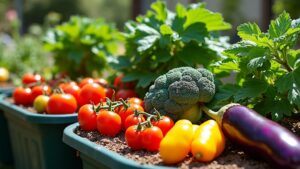
Growing vegetables in containers is a smart way to enjoy fresh produce even if you have limited space or not-so-great soil. When dry spells hit or if you’re gardening in a hot, sunny spot, picking drought resistant vegetables can really take the stress out of keeping your garden thriving. With container gardening, you also have more control over watering and soil, making this approach an effective way to face heat and water shortages.
Why Choose Drought Resistant Vegetables?
Drought resistant vegetables have built-in adaptations that help them handle less frequent watering or dry conditions. For anyone with a busy schedule or living in areas with strict water rules, these crops often hold up better without constant attention. Plus, many of these veggies will keep growing strong even if you occasionally miss a watering. That flexibility matters a lot, especially as heat waves and droughts have spread fast in many places over the past decade (source: EPA Drought Indicator).
Choosing these types of crops also lets you use water more efficiently, cutting down your water bill and making your garden more sustainable. This makes a drought resistant container garden a practical solution whether you live in a city or suburb.
Top Drought Resistant Vegetables for Container Gardening
Some veggies stand up to heat and dry spells better than others. These container friendly picks stand out for their ability to keep growing even when the soil dries out for a bit:
- Cherry Tomatoes: Smaller types like cherry or grape need less water compared to full sized versions. They tend to bounce back even if the soil dries out for a day.
- Peppers: Bell peppers, jalapeños, and hot peppers thrive in warm, dry conditions when grown in containers, as long as you give them a deep soak once in a while.
- Eggplant: Eggplant loves heat and tolerates drier soil better than most vegetables thanks to its sturdy stems and waxy leaves that help trap moisture.
- Swiss Chard: These greens have deep roots that pull up moisture from lower in the soil, making them perfect for container gardening during dry spells.
- Kale: Curly kale and other tough leafed types handle drying out pretty well, especially in large containers where their roots can spread out.
- Zucchini and Summer Squash: These plants do well in fairly large containers and can keep producing even with moderate watering.
- Beans: Bush beans or climbing beans both cope with dry soil for a short period. They also fix their own nitrogen, which helps a compact garden thrive.
Keys to Successful Drought Tolerant Container Gardening
Even with tough vegetables, a few smart habits help you get the best harvests with the least hassle. Here are some handy strategies to set your garden up for success:
Choose Bigger Containers
Larger pots hold more soil, which means more water is available to a plant’s roots between waterings. The material matters, too: glazed ceramic, plastic, or metal containers lock in moisture longer than unglazed clay, which can dry out quickly in hot sun. Always check for drainage holes to prevent waterlogged roots.
Use Water Holding Soil Mixes
Standard potting soil works, but mixes made for container veggies often include coconut coir or peat moss, helping the soil hold moisture longer. Mixing in some compost or worm castings provides extra nutrients and keeps roots happy even with less frequent watering.
Mulch Your Containers
Adding a one-to-two-inch layer of straw, shredded leaves, or bark mulch keeps the soil cooler and helps it hold moisture. Don’t skip this step; mulch really can stretch the time between waterings and protect your plants during heat waves.
Water Deeply, Not Just Lightly
Shallow watering leads to weak roots that dry out fast. Giving your plants a good soak every few days encourages strong, deep roots, allowing them to reach moisture hidden deeper in the pot. Test for dryness by sticking your finger down a couple of inches. If it feels dry, water thoroughly.
Consider Self Watering Containers
If you travel often or forget to water, self-watering containers solve a lot of headaches. These pots include a built-in reservoir to keep roots just moist enough without constant attention.
Common Challenges with Drought Resistant Veggies in Containers
Even experienced gardeners bump into some problems. Let’s look at the most common challenges and simple fixes:
- Wilting After a Missed Watering: Even tough veggies can wilt if conditions are especially hot and dry. Give them a good soak and they tend to perk up within a day.
- Leaf Curl or Sunburn: Plants in containers may show stress on hot days. Moving them to afternoon shade or using shade cloth helps prevent damage.
- Soil Compaction: Over time, container soil gets packed down and drains poorly. Fluff up the soil between crops or mix in some fresh potting mix to keep things loose.
Container Placement Matters
Put your containers where they catch bright morning sun but are shielded from harsh afternoon rays. This is especially important in really hot zones. Balconies, patios, or rooftops all work, just make sure you tweak placement for your local weather.
Tips for Getting the Most from Drought Resistant Veggies
To make your container garden even more productive, try these extra tricks:
- Harvest Regularly: Picking peppers, beans, or cherry tomatoes regularly encourages new growth and puts soil resources to better use.
- Use Fertilizer Wisely: Slow release or organic liquid fertilizers give your veggies a boost, even if you water less often. Avoid over-fertilizing, as stressed plants don’t need too much extra.
- Group Your Containers: Placing pots close together forms a microclimate that keeps humidity up and helps shade the roots, reducing water loss.
Personal Examples and Extra Tips
When I first took up container gardening during a hot, dry summer, cherry tomatoes and peppers quickly became my number one picks. I noticed that using bigger pots (at least 16 inches wide) made a major difference in water retention. Mulching with grass clippings or straw gave me up to two extra days before I needed to water, which was especially useful when drought restrictions kicked in. On days when water was tight, watering deeply in the early morning kept my plants robust. Later, I tried self watering planters and found they really pay off during short trips away—I’d come back to healthy, ready-to-harvest crops instead of wilted leaves.
I also found by talking to other gardeners, especially those with rooftop or balcony setups, that pairing up similar plants in close containers helped hold moisture and protect sensitive leaves from burning. Another handy tip: try rotating your containers every week or two if you notice one side drying faster, helping all the plants grow more evenly.
Frequently Asked Questions
New container gardeners often have a lot of questions about drought tolerant veggies and garden care. Here are some of the ones I hear the most:
Question: What’s the best drought resistant vegetable for a total beginner?
Answer: Cherry tomatoes and bush beans are forgiving choices that give plenty of harvests. Both do well in medium to large containers and require minimal fussing once established.
Question: How often should I water drought tolerant veggies in pots?
Answer: Aim for a deep watering every three to five days when the weather is mild. During heat waves, check daily, but you’ll still water less often than with thirstier crops like lettuce.
Question: Can any vegetable be made drought resistant just by changing how I water?
Answer: Some crops, like lettuce or spinach, will always struggle without regular moisture. Picking naturally tough varieties and growing deep roots is your best approach.
Question: Are drought resistant varieties sold as seeds, or do I just choose a certain type?
Answer: Both! Seed companies sell special heat and drought adapted varieties of many veggies, marked as “drought tolerant” or “heat resistant.” Reading seed packets or catalog descriptions pays off.
Final Thoughts
Picking drought resistant vegetables for your container garden just makes sense if you want fresh produce without nonstop watering. With the right setup—good soil, smart watering habits, and an eye on sturdy crops—you’ll be surprised how easy it is to harvest plenty, even during dry spells. These strategies have saved me time and worry, and I’ve found they work well whether you’re on a balcony, a patio, or just a sunny backyard corner. Don’t let drought scare you away; anyone can put together a thriving container garden with a little planning and the right vegetables.
This was such a helpful post for someone like me living in the city with very limited space. I’ve been trying to grow vegetables in pots on my balcony, but I can’t seem to get them to thrive. Either the soil dries out too quickly, or the plants wilt after a few hot days. I really appreciate the practical tips here, especially about using larger containers, mulching, and watering deeply rather than lightly.
It makes me realize that maybe my pots are just too small and my soil mix isn’t holding enough moisture. I’m curious, do you find certain drought-resistant veggies (like cherry tomatoes or peppers) more forgiving for beginners in tight urban spaces? And would self-watering containers make a noticeable difference for someone who struggles to keep up with daily watering?
Thanks again for breaking this down. It gives me hope that even with limited space, I can still make container gardening work.
Hello Leica and thank you for your great questions. I hope I can help answer them.
Absolutely, pot size, soil composition, and watering frequency all play a huge role in how well veggies perform in small urban spaces. And yes, some drought-tolerant crops really are more forgiving for beginners.
Some vegetables naturally bounce back better from uneven watering, especially in urban setups where pots heat up quickly. These are great starter options such as cherry tomatoes, peppers (especially the hot ones are more resilient), eggplants (mini varieties), Mediterranean herbs (rosemary, oregano, thyme, sage I have also done well with basil, parsley varieties).
You also asked about self-watering containers. These along with, grow boxes, and pots with built-in reservoirs can make a huge difference because they maintain steady moisture at the root zone, soil stays cooler, reducing water stress. Also, plants “drink” as they need, reducing the risk of over- or under-watering and you can often go 2–5 days (sometimes more) between refilling, depending on weather and plant size.
If you struggle to water daily, especially during heat waves or dry indoor conditions, a sub-irrigated pot can dramatically improve plant health and yield.
I do hope this helps! Happy gardening!
Pauline