Community garden projects offer a fresh way to connect with neighbors, boost local green space, and grow some seriously tasty veggies or pretty flowers. Whether you don’t have your own yard or just enjoy teaming up with others, getting into a community garden is a super rewarding experience. There’s plenty to learn, especially if you’re new to gardening or organizing group projects. This guide covers the big things you’ll want to know before you get your hands dirty.
What Makes a Community Garden Project Work?
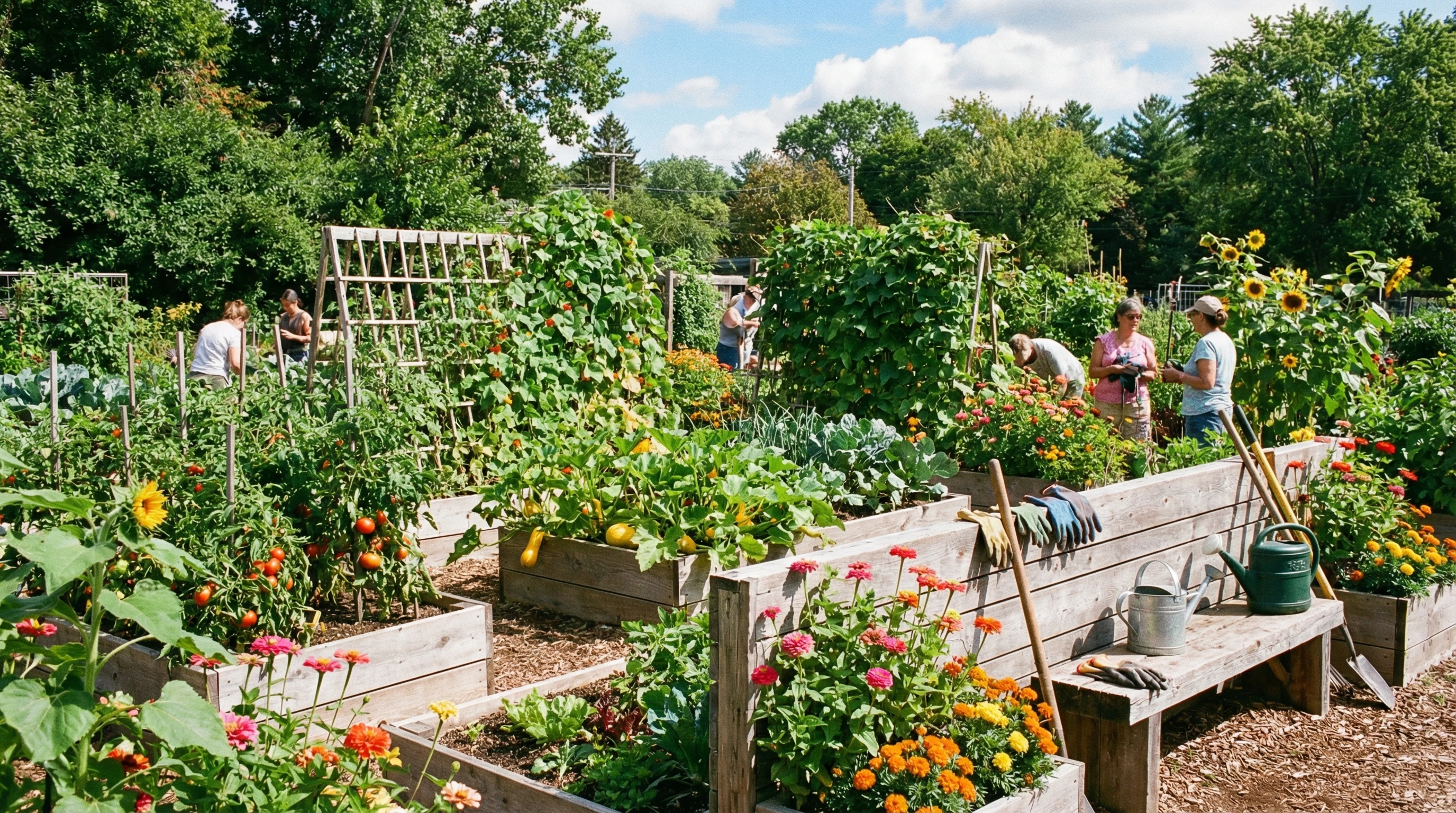
Community gardens aren’t just about planting a bed of lettuce and calling it a day. They’re built around partnerships between people and sometimes organizations, with each bringing something valuable to the plot. Whether the garden sits in an empty city lot, on a school property, or in a neighborhood park, the key is a group of people all pitching in. These projects bring folks together to share tools, swap seeds, and celebrate the first strawberry of spring as a little team.
According to the American Community Gardening Association, there are more than 18,000 community gardens across the US alone, and their popularity continues to rise. People love them for lots of reasons, like adding green space, helping pollinators, or making fresh local food more affordable and accessible. In some neighborhoods, these gardens become the heart of the community, offering education, food security, or just a peaceful spot to relax outdoors.
Early community gardens were often started by groups wanting to fill empty spaces or address food shortages. Over time, more schools, cities, and nonprofits have joined in, recognizing gardens as a practical and fun way to tackle challenges like urban heat or a lack of local produce. The central idea always comes back to working together, staying organized, and making it a welcoming space for everyone, no matter their background or skill level.
One of the greatest things about community gardens is how they bring together people with different experiences. Someone who has gardened for decades might share tips with a complete beginner, while a local school group can work on science projects right in the dirt. All these contributions help the project stay interesting, educational, and creative.
Starting a Community Garden: What’s Involved?
Jumping into a project like this calls for some planning, but it gets much easier once you break it down. Here are the main steps:
- Get Your Group Together: Find a handful of people interested in gardening or improving your neighborhood. You don’t need a crowd at first, just a few folks who are ready to see things grow.
- Scout a Good Location: Look for empty lots, old playgrounds, or patches of public land that could use some new life. Sun, water access, and walkability are all important.
- Secure Permission and Support: Property owners, city councils, or housing associations need to be on board. Some cities offer grants or starter kits, so it’s worth tracking down what’s available in your area.
- Draw Up a Garden Plan: Decide who’s growing what and where. Some gardens are split into personal plots, while others focus on growing food together to donate or share.
- Gather Tools and Supplies: Seed swaps, tool loans, and local donations keep costs low. Reach out to garden centers or hardware stores—many are happy to help with donations or discounts.
- Set Rules and Roles: Simple, clear guidelines for watering, weeding, and composting help avoid drama down the line. Assigning roles can make sure everyone knows how they can chip in.
Having a direct plan, good communication, and regular meetings helps keep everyone involved and excited to show up. This teamwork really comes in handy when the weeds start coming in strong, or things need tidying in the fall.
Quick Start Steps for New Community Gardens
Here’s a quick guide for those looking to start a brand new garden project with their neighbors:
- Reach Out and Gather Interest: Chat with neighbors, post flyers, or send group messages to see who’s interested. Enthusiasm goes a long way when kicking things off.
- Hold an Initial Meeting: This first get-together is where you talk about goals, brainstorm locations, and collect fresh ideas from the group.
- Scout and Choose a Space: Check out a couple of potential sites together so everyone can get a good sense of accessibility and resources.
- Draw Up an Agreement: Clear agreements help set expectations so everyone’s on the same page about chores, hours, and respect for shared space.
- Get Supplies and Prep the Site: Clean up the spot, build raised beds, bring in soil, and organize a work party to get the first seeds in the ground together.
- Stick to a Schedule: Whether you prefer group workdays or assign individual weeks for chores, having a game plan makes all the difference in covering tasks.
By taking it step by step, each task feels more doable. Regular fun events—like harvest days, seedling swaps, or garden picnics—help strengthen that friendly, team atmosphere. Encouraging folks to bring family and friends also helps spread the word and keeps the project lively.
Things Worth Considering Before You Dig In
Every project comes with a few bumps in the road. Here’s a look at some common challenges community gardens face, with practical ideas for managing them:
- Access to Water: Reliable water is essential for any garden. If the site doesn’t have a spigot, rain barrels or partnerships with local buildings can help keep plants happy and thriving.
- Soil Quality and Safety: Urban lots might have contaminated soil, so testing it is a smart move. Raised beds and new soil fix issues and give everyone peace of mind while growing veggies for their families.
- Security and Vandalism: Adding fences or planting thorny shrubs along the edge can help protect your harvest. Having neighbors keep an eye out is always helpful, and visible garden signs can let folks know the space is cared for.
- Member Involvement: Sometimes, enthusiasm dips when summer gets busy or the going gets tough. A mix of work parties, potlucks, and clear communication keeps folks coming back and helps everyone feel like a valued member.
Access to Water
Dragging buckets every day gets old fast, so finding a good water source up front makes a big difference. Some gardens strike deals with nearby businesses or collect rainwater to help out during dry spells. Community watering schedules keep the load fair for everyone, so it’s not always the same one or two people holding down the fort. Creating creative water-saving systems, like mulching and planting drought-tolerant crops, can also help protect the garden during dry periods.
Soil Quality and Safety
Getting your soil tested for things like lead or chemical runoff is a low-cost step that protects everyone’s health. Many local extension offices will test soil for a small fee or even for free. If there’s any concern about safety, building beds and topping them up with fresh soil offers a quick fix. Composting helps improve soil over time, so it’s worth setting up a dedicated compost area from the start.
Security and Vandalism
No one likes to see their fresh tomatoes go missing. Gardens in busy areas do best when neighbors, volunteers, and passersby know what’s going on. Signs explaining the garden’s mission, a friendly group presence, and sometimes a lock on the tool shed can keep things running smoothly. Organizing public events and welcoming locals into the garden creates a sense of shared stewardship, which helps deter theft or damage.
Member Involvement
Participation surges at the start of the season, but steady energy is what helps gardens thrive all summer and fall. Rotating responsibilities and making sure recognition goes to everyone (even for little jobs) helps folks stay involved. Families, schools, and community groups can all be invited to pitch in, keeping things lively, fun, and multigenerational.
None of these challenges stop a garden from thriving, and most are much easier to sort out when everyone has a say and feels valued as part of the team. Neighborhood support and open lines of communication can work wonders, from providing solutions to helping set up events and fundraisers.
Eye-Catching Tips: Keeping a Community Garden Thriving
Once the basics are running smoothly, there are a few ways to take your garden project up a notch and keep it going year after year:
Try Diverse Planting: Mixing flowers, veggies, and herbs is both beautiful and great for pollinators. Interplanting can keep pests down and makes the garden feel really inviting for everyone who visits.
Why it Matters: Stronger, healthier gardens are easier to manage and offer a better experience for the whole community.
Host Public Events: Workshops, garden tours, or kids’ craft days open the doors to the wider community.
Why it Matters: More people get involved, bringing in fresh ideas, skills, and sometimes new resources like tools or seeds.
Embrace Seasonal Tasks: Building mulching, regular composting, and cleanup routines into your schedule helps the garden look good and function well year-round.
Why it Matters: It keeps chores from piling up and helps you spot potential issues early, before they turn into big problems.
Bringing in local experts or encouraging people to share their own garden successes and even the hilarious mishaps helps keep things relaxed, social, and educational at the same time. Adding little extras such as a pollinator habitat or communal herb spiral can make the space stand out as both useful and beautiful for everyone.
The Basics: What Kind of Equipment or Resources Do You Need?
Getting started doesn’t have to be expensive or complicated. A few supplies, shared tools, and a bit of borrowed expertise are usually enough to create something special. Here’s a starter list:
- Hand Tools: Trowels, shovels, rakes, and watering cans do most of the heavy lifting. If possible, store them somewhere accessible to all members.
- Seeds and Seedlings: Community swaps keep planting costs way down and let people experiment with trying out new crops together.
- Raised Beds or Containers: Especially helpful when the soil isn’t ideal or if the garden is on pavement. These beds warm up quickly in spring and are easier for folks with mobility needs.
Lots of creative folks use old pallets for bed frames or upcycled buckets for planters. Local gardening clubs and hardware stores sometimes donate extras or offer discounts for community groups, so don’t hesitate to reach out and ask around for support.
- Mulch and Compost: Keeps weeds in check, conserves water, and adds nutrients to plants. Many cities now offer free mulch or compost pickup for local residents and gardens.
- Access to Water: Even a simple rain barrel gets the job done when budgets are tight. Consider coordinating watering shifts so the task doesn’t fall on one or two people all season.
- Signage and Bulletin Boards: Helpful for keeping everyone updated, sharing reminders, and tracking upcoming events and garden news.
A community garden can run on a shoestring budget, relying on teamwork, creativity, and a strong network of supporters to keep things thriving and fun.
Frequently Asked Questions
Curious how group gardens work day-to-day? Here are a few things people often ask:
Question: How do community gardens decide what to grow?
Answer: Most groups talk it over at the start of the season. Some split the space into private plots, while others choose their crops as a team, focusing on what thrives locally or can be donated to food banks and shelters.
Question: Can kids and families join in?
Answer: Definitely! Most gardens love having all ages get involved. Assigning kidfriendly jobs or growing fun plants (like sunflowers or pumpkins) makes it a space where families feel welcome and included.
Question: Do I need gardening experience to help out?
Answer: Not at all. Community gardens are a great place to learn as you go, share knowledge, and pick up tips from new friends. Some even run beginner workshops or share library books and resources on site to help newcomers learn quickly.
Wrapping Up
Joining a community garden brings more than just fresh produce; it means gaining new skills, making new friends, and taking part in an active, hands-on way to make your neighborhood a little greener. From small city plots to bigger shared fields and innovative rooftop spaces, these projects have plenty of reasons to jump in with both feet.
If you’re at all curious about starting or joining a garden, chances are there’s a project nearby just waiting for your unique ideas and energy. With so many ways to get involved, everyone’s got something to gain (and probably something tasty to share). So don’t be shy—ask around, find a group, and let your local community garden adventure begin!