
Vertical gardening is getting a lot of attention these days, especially for those short on space or seeking a modern way to grow more plants without giving up their whole yard. I’ve tried several styles myself, and it’s always neat to see how even a simple wall can turn into a living, thriving garden. If you’ve wondered what vertical gardening involves, how it’s set up, or what kinds of plants work best, this guide breaks down everything you need to know to get started.
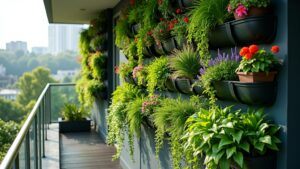
So, what is Vertical Garding anyways? Vertical gardening is all about growing plants upwards instead of spreading them out in traditional beds or rows. It usually involves using structures like trellises, wall-mounted pockets, stacked planters, or even recycled materials fixed to a wall or fence. These setups let you pack a ton of plants into small spaces, like balconies, narrow walkways, patios, or even indoor areas, without taking over precious ground area.
The concept isn’t entirely new. People have trained climbing plants for centuries, but new materials and creative designs are making it simpler and more accessible to everyone, whether you’re working with a big backyard or just a small apartment balcony.
How Does Vertical Gardening Work?
Instead of letting plants grow only on the ground, vertical gardens take advantage of vertical surfaces. Here’s a quick idea of how it works in practice:
- Support Structures: Frameworks like trellises, shelves, frames, stacked pots, and hanging containers form the base.
- Plant Selection: Choosing the right plants makes it easier, especially those that either climb, trail, or don’t need deep soil.
- Watering and Drainage: Vertical gardens dry out faster, so the design usually includes drip irrigation, waterretaining soil, or selfwatering planters.
- Sunlight and Placement: Setting up the garden where it gets enough sunlight is really important for plant growth. Indoors, grow lights can also be used.
Plants sometimes need help ‘training’—that basically means guiding vines or stems along a support, so they take full advantage of the setup.
Getting Started: Choosing a Vertical Gardening System
There’s a pretty big variety when it comes to choosing a system for vertical gardening, and the best one for you really depends on your space, favorite plants, and your budget. Here are the most common types you’ll see:
- Wall Planters: Pocket systems (usually made from fabric, plastic, or wood) attach right to a wall or fence and work well for herbs, lettuces, and flowers.
- Trellises and Arbors: Great for climbing vegetables like beans or peas, certain flowering vines, and even some fruiting plants.
- Stacked Pots or Towers: Pots or trays are stacked vertically, often with a central watering system. These are ideal for strawberries or salad greens.
- DIY Pallet Gardens: Recycled wooden pallets are filled with soil and plants, then leaned against a wall. It’s super affordable and stylish when done right.
Read reviews and check out examples online to see which style fits your goals. Plenty of gardeners share their creations on YouTube or Instagram if you want ideas or step-by-step instructions.
Picking the Right Plants for Vertical Gardens
Some plants just do better in vertical settings than others. In my experience, starting with varieties that naturally climb or stay compact works best. Here’s what to consider:
- Climbers: Beans, peas, cucumbers, nasturtiums, and morning glories naturally reach upward with the right support. Tomatoes (compact varieties) can also be grown vertically for maximized use of space.
- Herbs: Parsley, basil, thyme, chives, oregano, and mint stay compact and don’t need deep soil. Rosemary and sage can also thrive in vertical systems if pruned regularly.
- Leafy Greens: Lettuce, spinach, arugula, and kale are light, quickgrowing, and work well in shallow pockets or towers. Swiss chard and mustard greens offer vibrant color along with easy care.
- Berries: Strawberries are a favorite for stacked planters and hanging pockets because they trail nicely and are easy to harvest. Small bush blueberries and raspberries can work in larger vertical frames.
- Succulents/Houseplants: Indoors, vertical gardens filled with pothos, spider plants, or succulents make eyecatching displays. Ferns and air plants are low maintenance choices for shaded indoor walls.
It’s a good idea to check how large the adult plant gets and make sure it matches your garden’s available space. Compact varieties or dwarf cultivars are often a safe choice for smallscale setups, and experimenting with both annuals and perennials can provide continuous interest throughout the year.
Simple Steps to Start Your Own Vertical Garden
Tackling your first vertical garden can be pretty straightforward. Here’s a basic step-by-step guide I often follow and suggest to beginners:
- Decide Where Your Garden Will Go: Look for a sunny wall, balcony rail, or even a spot in your kitchen with enough light.
- Pick a Vertical System: Choose something that matches your experience, style, and the plants you want to grow. Make sure your chosen wall or fence can handle the setup and consider weather exposure if outdoors.
- Choose Your Plants: Take into account sunlight, watering needs, and mature plant size. Blend together plants with compatible growing requirements.
- Prep Your Materials: Install your planter, check for stable attachment, and make sure there’s adequate drainage for outdoor setups. Waterproof barriers or liners can help protect your walls from moisture damage.
- Add Soil and Plant: Use a quality potting mix suited for your chosen plants. Try mixing in compost or slow-release fertilizer to give seedlings a healthy start.
- Water and Feed: Regularly check the moisture, since vertical planters often dry out faster than ground beds. Drip irrigation or selfwatering setups are pretty handy if you’re short on time or want to keep things consistent.
Maintenance is usually pretty easy if you stick with hardy plants or set up automatic watering. It’s worth checking for pests since they can also move between close-packed plants quickly in vertical systems. Trimming dead leaves, rotating plant positions for even growth, and wiping down leaves indoors help keep things thriving. Mulching exposed soil can lock in moisture and give your plants a boost.
Common Challenges With Vertical Gardening
Every gardening style comes with a few quirks, and vertical gardening is no different. Here are some things I bumped into early on:
- Drying Out: Air flow and gravity mean that soil in vertical planters can dry out quickly. Mulch, larger planters, or waterretaining soil help a lot, as do selfwatering reservoirs.
- Supporting Heavier Plants: Larger veggies or fruiting plants like tomatoes or squash might need extra support and sturdy frames. Attaching plants gently with twine helps them grow upward.
- Nutrient Leaching: Frequent watering can wash nutrients out, so regular liquid feeding or slowrelease fertilizer is super important. Compost tea or organic feeds are gentle and effective.
- Pests and Diseases: Plants close together mean faster spread. Give some space between plantings, and keep an eye out for issues early. Sticky traps or natural pest sprays work well for prevention.
- Structural Safety: Always check if your wall or fence can safely handle the extra weight, especially after rain or watering. Reassess hardware yearly for safety.
Solving these things takes a little observation and tweaking. If you notice one plant struggling, swap it for a hardier option or check for root issues. Once it clicks, maintenance gets much easier and the rewards are worth the extra care.
Vertical Gardening Tips and Tricks
After experimenting with different styles and plants, here are a few tricks that make vertical gardening smoother in the long run:
- Group by Water Needs: Place thirstier plants together and drought-tolerant varieties in another section to avoid overwatering or underwatering.
- Combine Edibles and Ornamentals: Mixing flowering plants with herbs or greens adds color and can help attract pollinators, even in a small city balcony.
- Rotate Crops: Swapping out plant types each season can keep soil healthier and reduce the risk of pests and diseases settling in.
- Indoor Lighting: For indoor vertical gardens, use grow lights (LEDs work well) to keep things thriving without direct sunlight, particularly in winter months.
- Try Smart Systems: Other gardeners I know use smart watering systems if they travel a lot. Investing in a timer or appbased system is a great upgrade once you know you enjoy the style.
Don’t forget to prune and replant for fresh growth, and experiment with plant placement every few months for best results. Check in with local gardening groups for region-specific plant suggestions and troubleshooting support.
Popular Uses for Vertical Gardens
Practical and creative, vertical gardening finds its place just about anywhere:
- Balconies and Patios: Add privacy, greenery, and food production in limited spots with vertical walls. Hanging baskets can line up along the railing for extra green layers.
- Indoor Accent Walls: Living walls inside homes help with air quality and look awesome as a design feature. Choose plant species that thrive in your home’s conditions—ferns and trailing vines are excellent for bathrooms.
- Community and Urban Gardens: Grow more in city spaces. This works great for schools, apartment buildings, or neighborhood lots, maximizing how much you can harvest with shared vertical beds.
- Commercial Spaces: Offices and businesses use vertical gardens for visual appeal and to create biophilic workspaces. Plants in lobbies can help lower stress and increase productivity.
There’s really no limit if you get a bit creative. I’ve seen vertical gardens on garage doors, fences, and even as portable frames you can move around your space. Retail shops and cafes sometimes layer up flowering plants to brighten up exteriors and attract foot traffic.
Frequently Asked Questions
Here are some real questions I’ve heard from friends and clients about vertical gardening:
Question: Can I use any wall for vertical gardening?
Answer: Almost any wall or fence can work as long as it can safely handle weight and some moisture. For indoors, avoid drywall without extra reinforcement. Use studs or anchor systems rated for the load.
Question: Will vertical gardens damage my wall?
Answer: Not if installed properly. Use waterproof barriers, make sure planters have drainage trays, and check for leaks regularly. Outdoor setups on fences are generally lower risk, but always inspect for early signs of water damage and repair right away.
Question: How do I avoid overwatering or underwatering?
Answer: Check soil moisture with your finger or a moisture meter, and group plants with similar watering needs together. Setting up a drip irrigation system can really take the guesswork out, especially during summer heat.
Question: Do vertical gardens need a lot of maintenance?
Answer: Basic maintenance is weeding, trimming, watering, and feeding, about the same as container gardening. Selfwatering units can cut daily work down a lot, and regular checks stop small problems from turning into big ones. Periodically inspect supports and adjust plant placement for better airflow and disease prevention.
Final Thoughts on Vertical Gardening
Wrapping up, vertical gardening opens up a whole new world for growing food, flowers, or greenery in spaces where traditional gardening just isn’t practical. With a little planning and the right setup, you can transform just about any wall or corner into your own small ecosystem. It’s a great project for city dwellers, renters, or anyone ready for a creative spin on gardening. Start small, tweak as you go, and enjoy the green boost it brings to any home or space. Dig into vertical gardening this season, experiment with setups and plant types, and you’ll stumble upon a method that takes your garden up a notch, literally and figuratively.