
Vegetable gardening is one of the most rewarding hobbies around, but it can be a real head-scratcher at times. Even when you follow every guide and double-check your soil, unexpected problems still manage to crop up. It’s especially frustrating to see yellowing leaves or spotty tomatoes after so much dedication. The plus side? Most vegetable gardening issues have straightforward fixes when you know what clues to look for. Let’s check out some of the top challenges and the practical, real-world solutions I count on for a thriving garden.
Major Reasons Vegetables Struggle in the Garden
Most trouble in the veggie patch usually starts with four main things: soil, water, pests, or the weather. Even one small mistake here can turn into bigger headaches over time. Wilting, stunted growth, and weak plants often link back to one of these basic causes. Knowing how these factors impact your vegetable patch helps you spot and fix issues much faster.
Most vegetables love loose, nutrient-rich soil that drains well. If your soil stays soggy, is heavy with clay, or is running low on organic matter, roots start struggling and plants get stressed out. Water matters just as much—too much or too little sends your plants into a tailspin. Bugs and diseases are always close by, waiting to take advantage when you slip up. Extreme weather, whether a sudden heat wave or a chilly spell, can also give your plants a hard time, setting back their progress or making them more vulnerable to other problems.
Getting to the Root of Common Problems
When you run into plant trouble, the symptoms can look surprisingly similar. Breaking problems down into smaller categories often makes them much easier to fix. Here are some of the most common vegetable gardening challenges and the “field-tested” fixes that really do the trick:
- Yellowing Leaves: Usually a clue about water, soil nutrients, or sometimes over-fertilization. Check the soil for sogginess and cut back on watering if necessary. If your plants still seem hungry, give an organic, balanced fertilizer a shot.
- Stunted or Slow Growth: When plants stall out, compacted soil or a lack of nutrients is usually to blame. Loosening the soil, adding compost, and making sure root zones don’t get tight gives your plants a much-needed boost.
- Wilting (Even After Watering): Roots that sit in heavy, waterlogged soil start to rot, making your plants wilt no matter how much you water. Improving drainage with raised beds, added compost, or mixing in sand can bring things back to normal.
- Leaf Spots or Blotches: Speckled or patchy leaves are often a sign of fungus or bacteria, usually from splashing water on leaves or poor airflow. Try watering right at the soil and space your plants so air can move through freely.
Quick Guide: Steps to Troubleshoot Vegetable Garden Problems
Wondering what’s wrong with a troubled plant? I use this easy checklist to find the answer:
- Check Soil Moisture: Use your finger or a trowel to feel a few inches down. If soil feels dry, water; if it’s soggy, cut back or work on drainage.
- Inspect for Pests: Check underneath leaves and on stems for bugs, eggs, or any sticky mess. Bite marks or black spots (from bugs) might be your only clues. A blast of water or a homemade soap spray controls early infestations.
- Examine the Leaves: Burned, yellow, or twisted leaves give you lots of information. Scorched or curled leaves might mean heat or wind stress, while yellowing is a classic sign of nutrient or water issues.
- Reference Nutrient Deficiencies: Yellowing between the veins of older leaves (especially tomatoes or peppers) signals magnesium is low. Mixing some Epsom salts with water and pouring it around the base can really help.
- Compare to Healthy Plants: If you’re not sure what’s off, line your plant up next to a healthy one—it’s easy to spot what’s different that way.
Keeping a gardening notebook and jotting down what you see each week is surprisingly helpful, even if it feels nerdy. Next season, your notes will help you fix issues much more quickly.
Biggest Challenges You’ll Run Into—with Practical Fixes
- Bad Drainage: If your plot floods or stays squishy, consider moving plants to raised beds or heaping the soil into mounds. Mixing in compost or coarse sand also helps water drain faster.
- Poor Soil Nutrients: The majority of garden problems come back to tired soil. Each spring, I top off my beds with compost or well-rotted manure. This restores what last year’s crops used up.
- Pest Pressure: Aphids, beetles, and caterpillars are classic troublemakers. Floating row covers, mulching, and attracting good bugs (like ladybugs) give your plants an easy defensive boost.
- Disease Outbreaks: Crowded plants get hit harder by diseases. If you spread them out and rotate your crop locations each year, you’ll slow the spread down. When plants get really infected, remove them quickly to save the rest.
Soil Health
Healthy soil is the foundation for abundant veggies. Plants pull a lot from the dirt all season. Regular doses of compost and the occasional soil test keep the balance right. If a quick soil test tells you something’s missing, you can fix it with the right amendment—no need to guess.
Pests and Diseases
If you prefer organic gardening, you don’t need to lose your whole crop to bugs or disease. Strategies that work: attract friendly birds, pull sickly plants quickly, and use a soapy water spray (one teaspoon soap in a quart of water). For fungal problems, try neem oil or copper spray, but read the labels and don’t go overboard.
Watering Issues
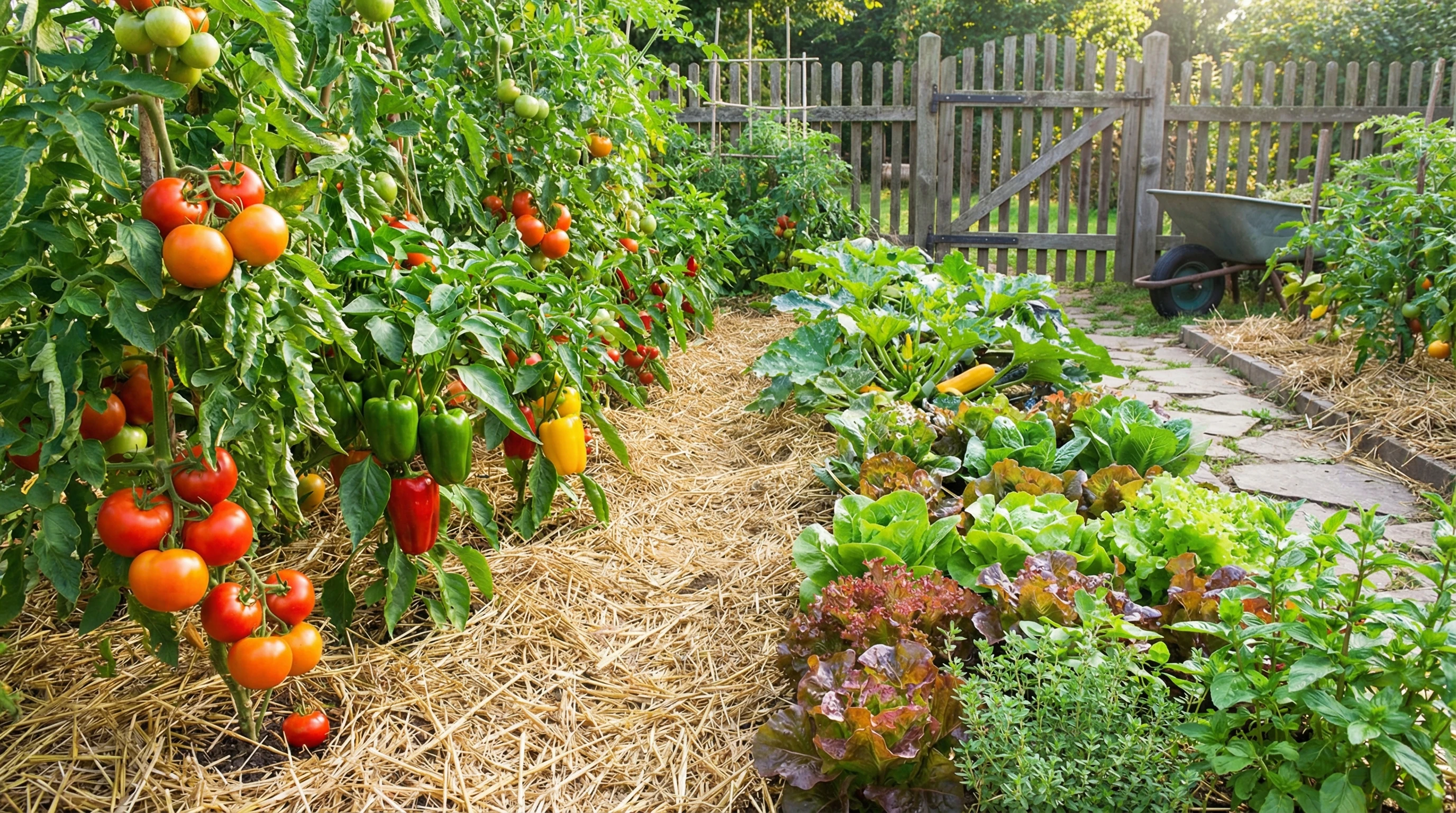
Most veggies want consistent moisture. Mulching with leaves or straw holds water at the roots, keeps weeds away, and keeps soil temperature steady. That’s great news for thirsty crops like tomatoes and cucumbers. To avoid rot or fungus, try to water at the base, not overhead.
Weather Stress
Heat waves and late frosts both spell trouble. Shade cloth or old sheets draped over plants protect in the heat, while buckets or frost blankets guard against the cold. Shrubs or temporary fences break the wind and shield young seedlings from windburn. Over time, you’ll get a sense for your local weather quirks and how to protect your crops the easy way.
Tips and Tricks from Experience That Save Veggie Gardens
The more seasons you garden, the easier it gets to spot trouble early and fix it before it spreads. Here are some tricks from the field that really make a difference:
- Rotate crops each season: Never grow the same kind of veggie in the same spot year after year. This breaks up disease cycles and keeps soil nutrients balanced.
- Go easy on fertilizer: Too much, especially nitrogen, leads to leafy growth but not much fruit or roots. Less is often better than more when it comes to feeding veggies.
- Start with strong seedlings: If you’re a beginner, buying healthy, disease-resistant starters from a good local nursery gives you a leg up.
- Keep things tidy: Dead leaves, spent plants, and fallen fruit become bug and disease magnets. Pull them up and keep paths clear to avoid trouble.
The best gardeners pay close attention to what works and what struggles, tweaking their setup each year. There’s no “perfect plan,” and even old pros adapt to new surprises each season. Staying open to change and learning from what’s worked helps you grow better plants every year.
Key Tools Beginners Shouldn’t Overlook
There are a few simple tools that make troubleshooting way less stressful. Here’s what I keep close by every season:
- Soil moisture meter: For about $10, this tool helps you know exactly when to water—no more guessing by sight alone.
- Hand lens or magnifier: Tiny bugs are easy to miss with the naked eye. A hand lens lets you spot pests early, before they get out of hand.
- Good gloves and a trowel: Sometimes, you have to dig up a plant with root rot to prevent it from spreading to the whole patch. Sturdy gloves make the job easier.
- A gardening notebook or phone app: Take photos, list out problems and fixes, and keep track of what you tried. Notes from last season can solve this year’s mystery in no time.
Over the years, building a troubleshooting toolkit helps you bounce back from almost any setback and keeps gardening stress-free.
Frequently Asked Questions
Here are a few of the questions I hear most from gardeners stuck on a stubborn problem:
Question: Why are my seedlings leggy and thin?
Answer: This usually means not enough light. Move your seedlings to a sunnier spot or use a simple shop light for the quick fix.
Question: What causes blossom end rot in tomatoes?
Answer: Blossom end rot comes from watering your tomatoes inconsistently or not having enough calcium in the soil. Water evenly and add garden lime if a soil test shows a shortage.
Question: How can I prevent powdery mildew on my squash?
Answer: Make sure your plants are spaced out, water right at the roots, and don’t soak the leaves. If powdery mildew shows up, neem oil spray can slow it down.
Troubleshooting issues is a normal part of every gardener’s adventure. With each passing season, you’ll get even better at spotting problems sooner and setting your garden up for a bumper crop. The goal isn’t to avoid every problem—just to catch them early, tweak your setup, and enjoy more success every year.