If you’ve ever tried growing tomatoes at home, you’ve probably heard that planting basil nearby works wonders. Companion planting, or growing certain plants together for their mutual benefits, has become a favorite method for a lot of home gardeners. I’ve found this approach especially helpful for boosting plant health, flavor, and even pest control—all without a bunch of extra effort or chemicals. Here’s how you can successfully grow tomatoes and basil together and get the most out of your home garden.
Why Plant Tomatoes and Basil Together?
Pairing tomatoes and basil isn’t just a trend; it’s a partnership backed by decades of firsthand gardener experience. When grown side by side, these two plants don’t fight for space or nutrients. Instead, they support each other in some pretty awesome ways.
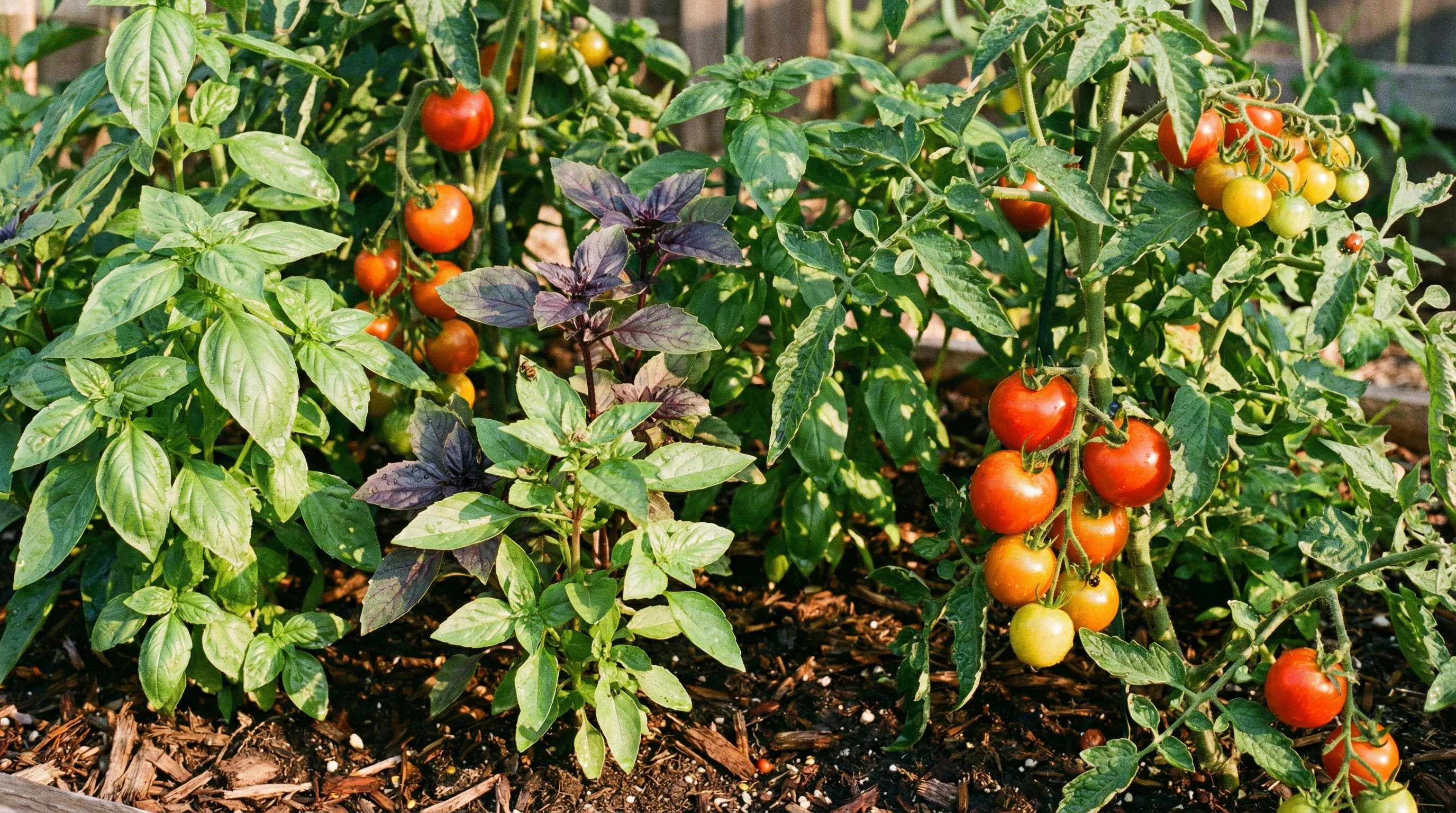
Tomatoes can get attacked by pests like aphids, hornworms, and whiteflies. Basil gives off a scent that many of these pests don’t like, so planting basil nearby can help drive them away. In my raised beds, I noticed my tomatoes had fewer bug problems when I tucked basil plants close to them. Plus, basil may even help your tomatoes develop richer, sweeter flavors by improving the conditions around the plants. And let’s face it, having fresh basil right next to your tomatoes just makes picking ingredients for summer salads so much easier.
Basics of Companion Planting at Home
Companion planting is based on matching up plants that give each other a boost—either by helping each other grow, fighting off pests, or improving soil health. It’s kind of like creating a neighborhood where everyone helps out.
I always recommend starting small. In one garden bed, try planting tomatoes and basil next to each other and watch how they do throughout the season. You’ll pick up on growth patterns, leaf health, and overall plant happiness pretty quickly. Getting familiar with the basics will make it easier to branch out into more advanced combinations down the line. I’ve also noticed that companion planting creates a visually appealing garden bed, with leafy green basil standing out beneath the taller tomatoes. This makes it fun to check in on your plants each day.
- Shared sunlight: Both tomatoes and basil love sunny spots, getting about 6 to 8 hours of sunlight each day.
- Watering needs: They both need regular but not soggy watering, so they fit nicely together in the same soil. Basil prefers slightly damp soil, which lines up well with tomato requirements.
- Soil preferences: Well-draining, rich soil packed with organic matter is ideal for both. Mixing in compost not only helps feed the plants but also keeps the soil loose.
Step-by-Step Guide: Planting Tomatoes and Basil Together
Getting started with this pair in your own garden doesn’t take any special skills. Just some planning and a little patience will go a long way. Here’s my go-to method for a productive tomato and basil plot.
- Pick a sunny spot: Tomatoes and basil both thrive with a lot of sunshine. I make sure mine get morning and midday light, which helps reduce fungal issues.
- Prep the soil: Add compost or well-rotted manure before planting and loosen the soil so roots can grow easily. This prep step is crucial—healthy roots mean happier plants later on.
- Space it out: Tomatoes need more room, about 18 to 24 inches apart. I tuck 2 or 3 basil plants around each tomato plant, keeping basil about 6 to 10 inches from the stem. It keeps airflow moving and limits disease. You can even add a border of basil around the tomato area for extra effect.
- Water deeply: After planting, soak the area well. Water at the base to avoid wetting the leaves too often, which can invite fungal problems.
- Mulch for moisture: A layer of mulch, like straw or shredded leaves, around the plants keeps the soil moist and makes weeding easier. Mulch also keeps temperatures steady on hot days.
- Support your tomatoes: Use cages or stakes because most tomatoes will need support once they start producing fruit.
Common Challenges and How I Handle Them
No gardening method is perfect, and even tomato and basil pairings come with their bumps. Here’s how I address the most frequent issues that come up when growing these companions together.
- Competition for nutrients: Sometimes having plants close together means more competition for food. I mix an organic, balanced fertilizer into the soil at planting and feed every few weeks during the main season. If leaves start turning yellow or growth stalls, a quick side-dressing of compost helps.
- Humidity and disease: Tomatoes are known for getting fungal diseases like blight, especially if leaves stay wet. Good spacing and watering at the soil line make a big difference. I remove lower tomato leaves that touch the soil, and I’ve found that healthy basil often shades the ground and helps prevent splash-up during rain.
- Pest pressure: Today’s bugs seem bolder than ever. While basil helps, I also check my plants every couple of days, squishing pests like hornworms. If aphids show up, a strong blast of water or some insecticidal soap quickly sorts things out.
Pest and Disease Prevention Tips
Some extra tips I’ve picked up to keep my tomatoes and basil healthier for longer include:
- Rotating crops every year to lower disease risk and keep pests guessing.
- Choosing tomato varieties that are naturally resistant to diseases, such as ‘Celebrity’ or ‘Juliet’.
- Removing nearby weeds regularly to prevent insects from having a hiding spot.
Making the Most of Your Basil and Tomato Harvest
Pairing these plants doesn’t just give a boost to performance in the garden. It’s super convenient during harvest time too. I like to walk out and grab a handful of basil leaves and a ripe tomato for dinner, sometimes straight from the vine to my kitchen. The flavors really play off each other in fresh salads, on pizza, or blended into homemade sauces.
To keep the basil producing, pinch off the top flower buds regularly. This simple action gives you more leaves and keeps the plants from getting too woody or bitter. Once tomatoes start to ripen, pick them as soon as they turn color; this prevents splitting and encourages even more fruit. Harvesting often will keep both plants productive and lively all summer.
Other Good Companions and Combinations
Tomatoes and basil are a classic combo, but you can mix in some other companions for even more benefits in your garden bed. For a little variety, try these garden friends:
- Marigolds: Great for driving away nematodes, aphids, and even rabbits. Their cheerful flowers also add color to your veggie patch.
- Lettuce: It enjoys the shade from taller tomato plants during hot spells, stretching your salad options further.
- Onions and garlic: These can add some serious pest-fighting power to the area too.
At the same time, some plants just don’t get along with tomatoes. I skip planting tomatoes with fennel or potatoes because they can stunt each other’s growth or increase disease risks. Keeping your bed organized helps you spot what’s working and what needs switching up for next season.
Frequently Asked Questions
Here are a few of the most common questions people have about companion planting with tomatoes and basil, along with my best answers for new and seasoned gardeners alike.
Question: Will planting basil too close harm my tomatoes?
Answer: As long as you keep about 6 to 10 inches between them, there’s usually no crowding issue. Spacing helps both plants get the air and nutrients they need. A little breathing room also cuts down on risk of disease spreading between the stems.
Question: How often should I water basil and tomatoes?
Answer: Both need 1 to 2 inches of water a week, preferably in one or two deep soakings. Check soil moisture often during hot spells because containers or raised beds can dry out fast. Mulch helps stretch the water between rainy days or busy schedules.
Question: Can I plant basil seeds at the same time as tomato seedlings?
Answer: Yes, you can start basil seeds outdoors when you plant tomato seedlings, or use basil young plants for a faster harvest. Seeds will sprout once the soil stays above 50°F (10°C). Once established, the two will grow happily together for the whole season.
Troubleshooting and Personal Tips
I’ve run into plenty of surprises while gardening over the years. If basil starts looking leggy (tall and thin), it probably needs a little more sunlight or a good pinch to encourage bushiness. If tomato leaves curl, look to your watering habits and check for bugs underneath the leaves. Getting up close and checking each plant lets you catch small problems before they get out of control. Healthy plants show off glossy leaves and steady growth.
Gardening is all about experimenting, learning new tricks, and enjoying the fun results. Companion planting with tomatoes and basil is a super forgiving way to try something new and enjoy a kitchen staple right from your backyard. It’s worth a shot, even if you’re working with containers or a small balcony space. Give this combo a shot and you’ll quickly see why so many gardeners swear by planting these classics together.