
If you’ve ever wondered how to give your vegetable garden a nutrition boost without shelling out for pricey organic fertilizers, compost tea is a super useful option. Compost tea is a liquid created by soaking compost in water, packing it with beneficial microbes and nutrients that can help your plants grow strong and healthy. I’ve used it in my garden for years, and it’s made a real difference in the size and flavor of my veggies. Here’s a practical guide for making your own DIY compost tea, perfect for beginners or experienced gardeners looking to give their plants a natural edge.
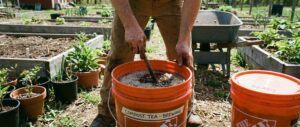
What is Compost Tea and Why Bother Making It?
Compost tea isn’t something complex or mysterious. It’s really just a liquid extract of compost teeming with living microorganisms. These microbes help break down organic matter and make nutrients more available to plants. When you spray or pour compost tea onto your garden beds, you’re effectively introducing a fresh batch of beneficial bacteria and fungi into your soil.
People have been coming up with different versions of compost tea for ages to encourage plant health. The main advantage is that these helpful microbes improve nutrient uptake and push out harmful pathogens in the soil. Also, homemade compost tea can be blended to fit what your garden needs at different parts of the year. It’s totally natural and if you already have a compost pile, pretty much free to make.
Ingredients and Tools You’ll Need for a DIY Compost Tea Recipe
You don’t need a bunch of expensive gear to whip up compost tea. Here’s what I use whenever I brew a batch for my beds:
- Well-aged compost: Good, finished compost works best. It should smell earthy and crumbly, not sour or funky.
- Water: Rainwater is ideal, but tap water works if you let it sit out for a day to let chlorine evaporate. Chlorine can harm the helpful microbes you want to grow.
- Buckets: For a typical home garden, a fivegallon bucket is the perfect size.
- A strainer or old tshirt: This is for filtering; nobody wants chunky tea clogging up a sprayer.
- Stir stick or aquarium pump (optional): Aerating your compost tea, especially with a pump, helps the beneficial microbes flourish.
- Molasses (optional): Unsulfured blackstrap molasses can jumpstart microbial life. Use just a tablespoon or two per five gallons.
You can also get creative if you want to really step up the brew. Some gardeners add organic amendments like kelp meal or fish emulsion for a little extra nutrient punch, although the basics work just fine for most veggie gardens.
Step-By-Step Guide to Brewing Compost Tea
Brewing compost tea is easy, but a few careful steps make a big difference. Here’s my basic playbook:
- Fill the Bucket: Add finished compost to the bucket—around one shovel full or two to three cups per five gallons of water.
- Add Water: Fill the bucket with water, leaving a couple inches of headroom so you can stir without splashing everywhere.
- Add Molasses (optional): If you want to give the microbes a food source, pour in a tablespoon or two of molasses and stir to dissolve.
- Mix or Aerate: Either stir vigorously a few times a day, or for a highmicrobe brew, hook up an aquarium pump and let it bubble for 24 to 36 hours. Aerated teas usually have an even wider variety of helpful organisms.
- Strain: Once brewed, pour everything through a sieve, old tshirt, or cheesecloth to remove chunks. The leftover solids can go back in your compost pile.
- Use Within Six Hours: Compost tea works best fresh. The microbes are at their most active right after brewing.
It’s a mostly hands-off process, apart from the occasional stirring. Planning ahead helps, as the brewing process usually takes a day or so depending on whether you’re aerating or just stirring by hand.
Common Mistakes to Avoid When Making Compost Tea
It’s easy to avoid problems if you keep a few reminders in mind:
- Using poor quality compost: Compost that isn’t finished or smells funny can introduce unwelcome microbes to your tea and your garden. Use finished, earthy-smelling compost every time.
- Ignoring water quality: If you use tap water, always let it sit out so chlorine can dissipate. Rainwater is best for keeping your microbe brew thriving.
- Brewing too long: Overbrewing lets the tea go anaerobic and smelly, which is not what you want for your plants. Stick to recommended times and check the smell—a good batch should smell earthy, not swampy.
- Dirty equipment: Always wash buckets, strainers, and pumps before and after use. Simple rinsing avoids introducing bad microbes to your brew.
How to Use Compost Tea in Your Vegetable Garden
You have two solid choices: a soil drench or a foliar spray. Both work well, but your goals for the garden will help you decide.
- Soil drench: Pour the strained compost tea at the base of your plants. This puts the beneficial microbes right in the root zone, where they help break down organic material and make nutrients available.
- Foliar spray: Put filtered tea in a spray bottle and mist leaves (early in the morning or late afternoon, out of harsh sun). Foliar spraying can help block out leaf diseases and gives your plants a direct shot of nutrients they can soak up right away.
Apply compost tea every two to four weeks during growing season. I’ve found that younger seedlings and heavy feeders—tomatoes, peppers, squash—really jump with regular applications.
Extra Tips for Better Results
Over time, I’ve found a few nuggets that help you get even more out of your compost tea game:
Adjust the brew to match your soil needs: If a soil test shows you need extra potassium or phosphorus, try adding in a bit of kelp meal or rock dust to the compost before brewing. Go easy though; it doesn’t take much.
Keep an eye on your plants: Look for happy, deep green foliage and steady new growth after using compost tea. If you notice anything odd, cut back and check your compost source.
Brew in the shade: If your bucket sits in direct sun, the brew can heat up too much and the little microbes may not survive. Tuck the bucket in a shady spot instead.
Simple equipment is still effective: If you don’t want to fuss with pumps or hoses, just giving the tea a few good stirs during brewing still creates a solid microbe boost for your soil.
What Are the Pros and Cons of Compost Tea?
- Pros:
-
- Improves soil and plant health naturally.
- Puts beneficial microbes where they’re needed in your garden beds.
- Can help reduce disease and plant stress by crowding out bad microbes.
- Ecofriendly and costeffective if you are already composting.
- Cons:
-
- Results can vary if you don’t use good compost or follow brewing basics.
- Letting the brew go too long or go without aeration can flip it to being harmful, instead of helpful.
- Needs to be used quickly after brewing. It doesn’t store well.
When all’s said and done, compost tea brings plenty of perks to your vegetable patch, with only a few mild challenges that get easier to handle as you gain experience.
Frequently Asked Questions About Compost Tea
Check out these common answers people look for when starting out with compost tea for their gardens.
Question: Can I use any type of compost for tea?
Answer: Mostly yes, as long as it’s mature, finished, and has an earthy smell. Skip anything with pet waste or unfinished scraps.
Question: How often should I apply compost tea?
Answer: Every two to four weeks is great. During major growth spurts or with sickly plants, you can use it a little more often—but don’t go overboard.
Question: Will compost tea burn plants?
Answer: Nope, compost tea is super gentle when brewed right. No salts or harsh chemicals here. If you’re unsure, try it on a test plant first and watch for any signs of stress.
Question: Can I store leftover compost tea?
Answer: Compost tea is at its best right after brewing. Microbe numbers drop off quickly after a few hours, and stale tea can actually harm your garden.
Question: Is compost tea safe for all vegetables?
Answer: Yes—it works like a charm for nearly every veggie. I use it on lettuce, peppers, squash, tomatoes, cucumbers, and more with solid results every time.
My Takeaway After Years of Compost Tea Brewing
Brewing and applying compost tea is now one of the mainstays in my gardening routine. It’s an affordable, totally natural way to keep soil packed with beneficial life and give your veggies that extra push they need. Even if your garden already thrives, you’ll probably notice bushier, more resilient plants with fewer pest and disease headaches over time. Give it a shot, experiment with different composts and brewing methods, and watch your crops thrive in a richer, microbe-boosted environment.
Thanks for sharing an informative post.
Why do gardeners use compost tea on vegetable gardens? What role do beneficial microbes play in plant health? What qualities indicate that compost is “finished” and safe to use for tea? Why is rainwater or dechlorinated water preferred for brewing compost tea?
Keep up the good work!
Hi S.J. and thank you for the great questions. I hope the following helps to answer them.
Gardeners use compost tea because it provides a gentle, natural boost to plant health by delivering nutrients and beneficial microbes directly to the soil and plant surfaces. It acts almost like a probiotic for the garden, helping vegetables grow more vigorously without relying on synthetic fertilizers.
Beneficial microbes—such as bacteria, fungi, and protozoa—play several key roles in plant health. They help break down organic matter into forms plants can easily absorb, protect roots by competing with harmful pathogens, improve soil structure so roots can grow more freely, and even help plants access minerals that would otherwise stay locked in the soil. A healthy microbial community creates a more resilient garden where plants can better withstand stress, disease, and poor soil conditions.
Compost is considered “finished” and safe for brewing tea when it has fully decomposed. Good signs include:
a dark, crumbly texture that resembles rich soil; a pleasant, earthy smell (not sour, rotten, or ammonia-like); and a stable temperature—meaning it no longer heats up, indicating that microbial breakdown is complete.
And finally, it’s recommended to use rainwater or dechlorinated water for brewing compost tea because chlorine or chloramine in tap water can kill or inhibit the very microbes they’re trying to cultivate. Since compost tea depends on living organisms multiplying during the brewing process, starting with water that won’t harm them leads to a much more effective and biologically active tea.
Thank you again for your great questions. Happy gardening!
Pauline