
If you’re dreaming of a lush, thriving garden, companion planting is one approach that’s absolutely worth checking out. This time-tested gardening strategy pairs plants together so they grow better, stay healthier, and can even level up your harvest. I’ve tried a bunch of different combinations in my own backyard, and I can say from personal experience that organizing your garden with a bit of a game plan makes a big difference. For beginners, the world of companion planting might seem a little overwhelming, but I’m here to break it down and show you exactly how to get rolling.
What Is Companion Planting?
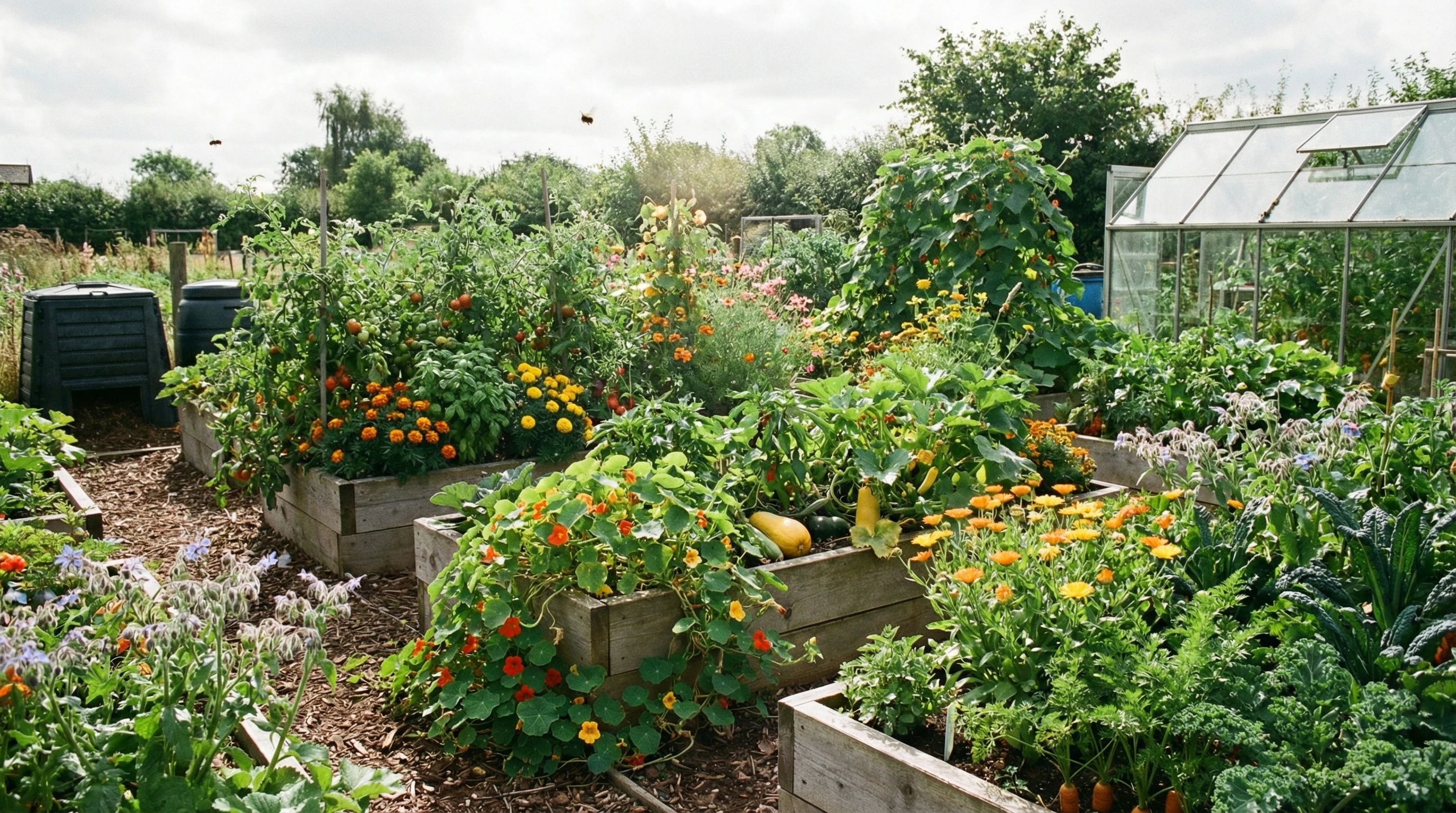
Companion planting is a gardening technique where you grow certain plants close together because they help each other out. This could mean keeping pests away, improving growth, boosting flavors, or just making smarter use of space. This isn’t a new idea—people have practiced it for centuries, in both vegetable and flower gardens. You might have heard of the “Three Sisters” method, where corn, beans, and squash support each other. That’s just one of many classic combos, and there are loads more worth checking out.
Why Try Companion Planting as a Beginner?
Giving companion planting a shot comes with all kinds of benefits, especially if you’re new to gardening. When I first started, I was amazed at how much less effort I needed for pest control and weeding. Here’s why companion planting is such a game changer for beginners:
- Pest Management: Some plant pairs naturally keep bugs away. Marigolds near tomatoes, for example, are classic pest fighters.
- Boosted Yields: The right combos can pump up your harvest.
- Improved Soil Health: Certain plants put nutrients back into the dirt, making your garden healthier for the long run.
- Better Use of Space: Creative layouts help you get more from small spots.
- Less Maintenance: Healthier plants and fewer pests save you time and effort.
Personally, I saw this right away when I put basil alongside my tomatoes—way fewer pests, and those tomatoes honestly tasted better. It’s not a miracle cure, but the small changes really add up over a season.
Common Beginner Friendly Companion Planting Combos
If you’re just getting started, sticking to some proven pairs is a safe bet. Here are a few simple combinations I always recommend to beginner gardeners:
- Tomatoes & Basil: Basil helps keep bugs away and can even give tomato flavor a boost.
- Carrots & Onions: Onions help shield carrots from carrot flies, while carrots provide a little ground cover for onions.
- Cucumbers & Nasturtiums: Nasturtiums distract aphids from your cukes, plus they add next level cool color.
- Beans & Corn: Beans add nitrogen to the soil; corn acts as a sturdy support pole.
- Lettuce & Radishes: Radishes pop up fast and mark where lettuce is planted, letting you harvest early and keep beds productive.
You don’t have to memorize a giant chart. Just use a few pairs to start; you’ll get more adventurous once you see the results.
Getting Started: Simple Steps to Companion Planting
Jumping into companion planting for the first time? I’ve pulled together an easy approach that works for me every spring:
- Pick Your Main Crops: Choose a few core veggies or flowers you’re excited about. Don’t get in over your head initially.
- Check Out Good Partners: For each main crop, find one or two friendly partners that help with pests, nutrients, or space.
- Sketch Your Garden Plan: Map out where everything will go. I make a quick grid on paper or my phone to visualize spacing.
- Plant Partners Close Together: Try to sow or set seedlings together when you can. Herbs or flowers can fill gaps between rows or along the edges.
- Watch and Learn: Stay sharp as your plants grow. Note what combos take off and change things up next year if needed.
Planning “plant neighborhoods” instead of just straight rows instantly makes your garden more interesting and productive.
Extra Tips for New Companion Planters
Learning this style of gardening might mean a little trial and error, but here are some pointers that have saved me a lot of effort:
- Spacing Is Key: Friends still need room—don’t crowd plants. Follow seed packet recommendations for space.
- Throw in Flowers and Herbs: Don’t ignore flowers. Marigolds, nasturtiums, and calendula look great and bring in pollinators, while herbs like dill and chives help control bugs.
- Watch Out for Plant Conflicts: Not all plants like to be neighbors. Onions and beans, for example, just don’t mix well.
- Switch Things Up Each Year: Rotating combos in your garden throws off pests and keeps the soil in better condition.
There’s a bit of tinkering involved, but some combos almost always work (carrots and onions are one of my favorites). Others may depend more on your space or watering habits.
Problems and Pitfalls for New Companion Planters
Companion planting isn’t foolproof, and I definitely stumbled when I was learning. Here’s what to look out for:
- Mismatched Growth Rates: Some plants grow fast and may shade their slower partners. Stagger planting times or trim faster growers if needed.
- Mixing Up Old Myths with Fact: Some popular combos are more folklore than science. Be flexible and don’t be afraid to try your own experiments.
- Keeping Good Records: Without notes, it’s hard to spot what works best in your own garden from year to year.
- Avoid Overcrowding: Trying too many combos in a small patch can lead to weak plants and smaller yields.
Mismatched Growth Rates
Sunflowers can block the sun for lettuce if planted too close, leading to sad, wilted greens. Planning for plant height keeps everything happier.
Old Wives’ Tales vs. Modern Research
Be cautious about ideas like always planting tomatoes next to potatoes. These two often pass along diseases to each other. Stick with proven pairs until you get a feel for your own space.
Logs and Notes Make a Difference
I keep a simple gardening notebook or phone log about which combos I tried and how they performed. Looking back on these notes helps me dial in the best layouts each year.
Fun Features and Unexpected Perks of Companion Planting
Trying companion planting uncovers delightful bonuses beyond just shinier veggies:
- Pollinator Magnets: Flowers like calendula or nasturtiums bring bees and butterflies, making top yields more likely.
- Trap Cropping: Certain plants lure pesky bugs away from your main crop. Nasturtiums often distract aphids from beans.
- Soil Helpers: Beans and peas snag nitrogen from the air, feeding nearby plants.
- Healthy Herbs: Smelly herbs are great pest-busters and fill your garden with fresh scents.
Even if you care most about veggies, mixing in flowers and herbs adds a whole level of nextlevel cool to your garden, drawing helpful bugs and making every bed feel lively.
Frequently Asked Questions about Companion Planting
Here are a few questions I regularly hear from friends getting into companion planting for the first time:
Question: How close should I plant companions?
Answer: Close, but not too tight. Share the same bed or space them within a row so roots and leaves can still spread.
Question: Is it OK to plant more than two types together?
Answer: Of course! Many traditional plantings use three or four mixes. Just be sure each type still gets enough space, sunlight, and water.
Question: Do I need flowers, or can I just use veggies?
Answer: Adding a few flowers makes a big difference for pollination and pest control. Even one or two can lift up how your patch performs.
Question: What if companion planting doesn’t seem to work?
Answer: Sometimes combos flop due to weather, pests, or soil. Don’t give up! Tweak your pairs or move placements for better luck next season.
Getting the Most from Your Companion Planting Adventure
Companion planting is all about trying new stuff, keeping an eye out for what works, and having some fun while you’re at it. There’s no single right answer. Think of it as a way to take up a notch how your garden works—with benefits like fewer pests, richer soil, and a more vibrant space. Start simple, track what happens, and mix things up every year. As each growing season rolls around, you’ll spot fresh combos and set yourself up for an even better garden adventure next time.