
If you’re new to growing succulents, you’ll probably notice there’s a lot of information floating around, and some of it can be pretty overwhelming. Succulents are popular because they’re easy to care for, look awesome, and can brighten up any space with their unique shapes and colors. Learning how to keep them happy is really important though, so I’ve put together this beginner’s guide to help you get your succulent collection off to a healthy start.
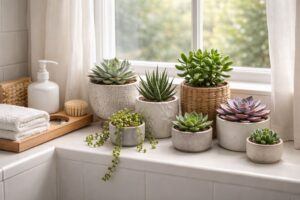
Getting to Know Succulents
Succulents have a certain charm that’s hard to resist, and part of that comes from how tough they are. These plants actually evolved in dry environments and store water in their leaves, stems, or roots. That’s part of what makes them low maintenance plants, but don’t be fooled. There’s still a learning curve if you want them to thrive.
Succulents come in a ton of varieties, including Echeveria, Aloe, Haworthia, and Jade Plants. Each type brings its own shape, size, and color to the table. Most succulents you’ll find in stores have similar care needs, but it helps to keep an eye on the individual quirks of each kind if you’re building a mixed collection. In fact, some varieties, like Echeveria, love as much sunlight as possible, while others, like Haworthia, can tolerate a little less. Stumbling upon the perfect blend for your own collection is one of the joys of succulent gardening.
One great thing about succulents is how adaptable they are to indoor or outdoor life. Because of their water storing ability, they can put up with some tough conditions that would make other plants wilt. This makes them great for homes, offices, or even balconies and patios.
Setting Up Your Succulents for Success
How you set up your succulents in their new home really shapes how well they’ll do. Here are the basics that always work for me:
- Choosing the right pot: Always pick a pot with at least one drainage hole. This keeps roots from sitting in water, which could lead to rot.
- Using the correct soil: Regular potting soil holds too much moisture. Instead, pick up a cactus or succulentspecific mix, or make your own by mixing three parts potting soil, two parts coarse sand, and one part perlite.
- Finding a sunny spot: Succulents need at least 4-6 hours of bright, indirect sunlight daily. A south or eastfacing window works great. If you notice stretching (plants growing tall and thin), they might need a bit more sun.
- Separating new arrivals: It’s worth keeping new succulents separate for a week or so just to make sure they’re pest-free and healthy before mixing them with your other plants.
If you’re setting up an outdoor succulent garden, don’t forget to place your pots on bricks or plant stands to help water drain and keep roots from getting soggy after heavy rains. Indoors, a windowsill or table near natural light usually makes the perfect spot. If you live in a climate that gets cold, be sure to bring outdoor succulents inside before the temperature drops too low.
How to Water Succulents the Right Way
Figuring out how and when to water is where most succulent owners run into trouble. These plants really hate having “wet feet” (constantly soggy roots). Here’s a breakdown that’s worked well in my own space:
- Water only when the soil is dry: Stick your finger or a wooden stick into the soil. If it feels totally dry about an inch down, it’s time for a drink.
- Soak and let drain: When you do water, add enough so water runs out the bottom of the pot. Then leave the plant alone until it dries out again.
- Water less in winter: Succulents go semidormant when it gets cold and don’t use as much water. Maybe every 3-4 weeks is actually enough, depending on your climate.
- Watch the leaves: Wrinkled or shriveled leaves usually mean the plant needs more water. Mushy or yellowing leaves are a sign of too much.
Finding the perfect watering routine is all about tuning in to what your succulents tell you. If you notice your plant’s leaves plumping up after a watering, that’s a good sign. On the other hand, always give the soil a chance to dry out fully between waterings. It takes a bit of trial and error, but keeping an eye on the soil and the leaves gives you all the feedback you need.
Common Problems and How to Handle Them
Even with careful care, I’ve had my share of succulent setbacks. A handful of issues pop up pretty regularly, and knowing what to look for definitely helps:
- Root rot: Overwatering is the big culprit here. Roots will turn brown or black and mushy. Take the plant out of the soil, trim any rotten roots, let it dry out, and repot in fresh, dry mix.
- Pests: Tiny bugs like mealybugs sometimes turn up. I wipe leaves with a cotton swab dipped in rubbing alcohol when I spot them and quarantine infected plants until they clear up.
- Sunburn: Direct sunlight, especially through glass, can scorch leaves and leave brown or white patches. Gradually introduce plants to brighter spots or use sheer curtains to diffuse the light.
- Leggy growth: If succulents get too little sun, they stretch and grow tall with more space between leaves. Move them closer to the light and consider trimming, then replant cuttings to keep things bushy.
Other issues, like leaves dropping or spots appearing, can also show up. Sometimes, sudden changes in the environment—like switching from a shady spot to very direct light—can cause temporary stress. Giving your plant a little time to settle in often makes a world of difference. Always keep an eye out for early signs of problems. The sooner you spot them, the easier they are to fix.
Planting and Propagating: Growing Your Collection
I love propagating succulents because it’s both fun and surprisingly easy. With just a healthy leaf or a cutting, you can grow yourself some free new plants. Here are some basic steps I always follow:
- Remove a healthy leaf or stem: Gently twist a leaf off or snip a bit of stem. Let it sit out for a few days until the cut end forms a callus.
- Place on dry soil: Set the callused leaf or stem on top of the soil. There’s no need to bury it, just lay it right there.
- Water sparingly: Wait a few days, then mist the soil lightly. Only start watering more when you see tiny roots or a baby plant forming.
- Patience is key: Roots usually show up in a few weeks. Once a new plant forms, you can treat it like a regular mature succulent.
This method is super useful for filling in gaps or sharing your collection with friends. You’ll stumble upon lots of new baby plants in just a few months if you give it a try!
Practical Care Tips for Healthier Succulents
Beyond the basics, I’ve picked up a few habits that keep my succulents looking especially good:
- Rotate your pots: Every so often, turn your pots around so all sides get sunlight. This keeps plants growing evenly.
- Clean leaves gently: Dust can block sunlight. I use a soft brush or a gentle stream of water to keep leaves dustfree.
- Fertilize lightly: About once in spring and once in summer, I add a diluted liquid fertilizer labeled for succulents or cacti. Too much fertilizer isn’t good for them.
- Avoid glass terrariums without drainage: Even if they look cute, it’s way too easy to overwater in a glass container without drainage holes. Only use these setups for shortterm displays.
Good air circulation is another tip that can keep your succulents extra healthy. If you’ve got a lot of plants grouped together, try to space them out a bit so air can flow freely around each one. It helps prevent mold, mildew, and pests.
Where to Place Succulents Indoors and Outdoors
Picking the right spot for your succulents is super important. Here’s what I’ve tried in my own place:
- Indoors: Windowsills with bright, indirect sunlight get the job done. Bathrooms with good light work, too, since there’s extra humidity. Avoid placing them near heating or air conditioning vents; dry air can be rough on them.
- Outdoors: If your climate is mild, succulents can live outside almost all year. Place them somewhere they get morning sun and a bit of afternoon shade, especially during hot summers.
You can also set up outdoor succulent bowls or raised beds for a natural look. Play with layouts by mixing shapes and colors to make your display extra eye-catching. If you notice your succulents struggling after moving them, just think on what conditions might be different—often it’s a fixable light or water issue.
Frequently Asked Questions
Folks who are just starting out with succulents usually run into the same questions I once had. Here are a few answers that should cover most of the basics:
Question: Why are my succulent’s leaves falling off?
Answer: Leaves that drop off can be a sign of either overwatering or underwatering. Check soil moisture and adjust your routine. It could also just be natural shedding of old leaves from the bottom.
Question: My succulent is looking pale and stretched out. What’s up?
Answer: This is almost always a sign the plant needs more sunlight. Move it to a brighter spot, but do it gradually to prevent sunburn.
Question: How often should I repot my succulents?
Answer: Every 1-2 years is pretty standard. Choose a day in spring or early summer, and use fresh succulent soil mix each time.
Enjoying Succulents for the Long Haul
Learning how to care for succulents really pays off in how healthy and vibrant your plants stay. Whether you’re keeping a few tiny pots on your desk or building up an entire windowsill jungle, getting the essentials right, like light, soil, and water, makes all the difference. With a little patience, you’ll see just how colorful and rewarding these quirky plants can be.
Feel free to experiment, share cuttings with friends, and make your own little succulent garden wherever you live. They’re a great companion for new plant parents and more experienced growers alike. And remember, each plant has its own story, so keep learning and enjoying the process—your collection will keep growing right along with you.
Hello Pauline,
This is such a helpful guide for beginners! I love how you cover everything from watering tips to propagation; it makes caring for succulents feel much less intimidating.
Quick question: do you have a favorite method for preventing leggy growth indoors when sunlight is limited? I want to make sure my collection stays compact and healthy.
Thanks for sharing all these practical tips, they’re perfect for new plant parents like me!
Hi Monica! I am happy to hear you enjoyed my Beginners Guide for Succulents. This was an entirely new section for me as I have struggled with Succulents. I did some research and asked as many questions of those who I knew grew beautiful Succulents. Through trial and error, and a better understanding of succulents, I have been having more success. You asked about what my favorite method is for preventing leggy growth. I purchased LED Halo grow lights, to supplement the light that was lacking. I like these ones as they sit on the tabletop, with the plant sitting on the base. The light ring, or Halo, is adjustable, so it can be positioned to just the right height above the plant. I only use them on the more gloomy days in the winter. In the summer, I’ll move my succulents around to the sunniest window. Good luck with your succulents, and I would love to hear how they progress for you!
Happy gardening!
Pauline