
Decorating with indoor plants is one of my favorite ways to make any space feel more alive and inviting. If you’re like me and don’t always have rooms flooded with sunlight, finding plants that actually thrive in low light is pretty important. The good news is, there are plenty of options that can handle the shade and still look fantastic. Here’s my guide on the best indoor plants for low light, plus some helpful info for getting the most out of your indoor jungle.
Why Choose Indoor Plants for Low Light?
Some rooms just don’t get much natural light, like north-facing windows, offices without windows, or apartments blocked by other tall buildings. Instead of giving up on greenery, it’s worth checking out plants that naturally grow on forest floors or in shady spaces. These plants can really brighten up your space even if your lighting situation isn’t ideal.
Low light doesn’t mean no light at all. Most indoor plants need at least some indirect sunlight to survive, but the ones I’m going to talk about are especially good at making do with less. Plus, most of these picks are low maintenance, which is great if you’re not super confident in your plant parenting skills yet. Plus, coming home to living greenery feels great—it can even boost your mood and help purify the air.
Top Low Light Indoor Plants
Now, it’s time to check out the plants I think you’ll really like if you’re dealing with dim rooms or busy schedules. These plants do well in indirect or filtered light and don’t mind being away from the spotlight.
- Snake Plant (Sansevieria): This one is super tough and pretty hard to kill. The leaves grow straight up and add a bit of modern edge to any room. They’re fine with low light, and even if you forget to water them from time to time, they’ll keep going.
- Pothos (Epipremnum aureum): You’ll see pothos in plenty of homes since their trailing vines look amazing in hanging baskets or flowing off a bookshelf. They don’t need tons of sun and are great at cleaning the air. Pothos comes in a range of leaf colors, so it’s easy to find a look you like.
- ZZ Plant (Zamioculcas zamiifolia): With its waxy, dark green leaves, the ZZ plant is a real superstar for shady spots. It handles neglect like a champ and just keeps growing, even when you forget about it.
- Peace Lily (Spathiphyllum): Peace lilies have glossy leaves and can bloom indoors. While they’ll survive in low light, positioning them near a window (but not in the sun) might reward you with their white, sail-shaped flowers.
- Cast Iron Plant (Aspidistra elatior): Aptly named, this plant does well on being ignored. If you’ve got a cold or dark corner, the cast iron plant will be just fine, making it a go-to for trickier spots.
- Chinese Evergreen (Aglaonema): This plant stands out with its interesting leaf patterns and colors. It can handle low light and isn’t fussy about humidity. Super easy to grow and keeps its looks all year long.
- Philodendron: With so many varieties, most do well in dim or shady conditions. The heartleaf version is a personal favorite for its cute, trailing vines and reliable growth.
- Dracaena: Many dracaena varieties do really well without much sunlight. They come in all sorts of shapes and heights, so you can find one that fits your home or style.
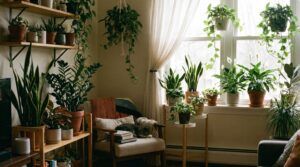
If you want to mix in some variety, try layering these plants together on shelves or plant stands. Combining tall plants like dracaena with trailing pothos or compact peace lilies can bring a balanced, full look to any room without needing much light at all.
Simple Care Tips for Low Light Plants
Even the toughest plants can use a little TLC. Here are a few practical pointers for helping your low light plants not just survive, but actually show off their best:
- Don’t Overwater: Shady spots can slow down water evaporation, so plants in low light need less frequent watering. Let the top inch of soil dry out before watering again. Root rot happens much more if the soil is always soggy.
- Wipe the Leaves: Dust builds up faster inside, especially on bigleafed plants. Give them a gentle wipe every so often to help them soak up what little light is available.
- Use Good Soil: A basic indoor potting mix works for most of these plants. Avoid garden soil, which can trap water in pots and become too dense.
- Rotate Your Plants: If you notice your plant leaning toward the light, rotate the pot every couple of weeks. This way, growth stays even and all sides fill in nicely.
- Watch the Temperature: Most low light plants like steady temperatures, not too hot or cold. Keep plants away from heaters, air conditioners, or drafty windows for best results.
Check your plants regularly for signs of change. Yellowing leaves, brown tips, and slow growth can all be clues that you need to switch your care routine a bit. Often, small tweaks do the trick and have your plant bouncing back fast.
Choosing the Right Plant for Your Space
I always recommend thinking about your specific space before picking out a new plant. Ask yourself a few questions: How much actual natural light does the room get? Is the light filtered or direct at certain times of day? Do you want a standing floor plant or something for a countertop or shelf?
Pets are another thing to check before you shop. Some plants, like peace lilies and pothos, can be toxic if chewed on by cats or dogs. The ASPCA’s list is a quick way to check pet safety before buying. Your plant choices will last longer and feel right at home when matched to your space and lifestyle.
Where Low Light Plants Work Best
These handy plants settle in just about anywhere light is a challenge. Here are some of my favorite spots:
- Bathrooms: Many low light plants love the humidity from hot showers. Just check if there’s enough indirect light, or use a grow light if things are really dark.
- Offices: ZZ plants, pothos, and snake plants are perfect for desks, even if the only light comes from a distant window or overhead fluorescent lamps.
- Bedrooms: Peace lilies and philodendrons tidy up the air and look great on dressers or nightstands.
- Living Rooms: Fill a shadowy corner with a cast iron plant or tall dracaena to make things feel homey and welcoming. Group several together for a lush, calming effect.
If you’re short on tabletop space, hang pothos or philodendron from the ceiling or let them cascade down from a high shelf. That way, you get greenery without giving up surface space, and it adds some visual interest and depth to the room.
Common Problems (and Quick Fixes)
Even though low light plants are forgiving, a few common issues can pop up. Don’t worry, most are easy fixes if you spot them early:
- Yellowing Leaves: This usually means you’re watering too much. Let the soil dry out a bit more between waterings.
- Leggy Growth: Long, weak stems are the plant’s way of reaching for more light. If you can, move it closer to some brightness or supplement with a small grow light for a few hours a day.
- Brown Tips: Often, dry air or low humidity is the culprit. Mist the leaves or keep a pebble tray with water nearby to raise moisture.
- Pests: Even indoor plants can get bugs like spider mites or scale. When watering, give your plants a once-over and wipe leaves with a damp cloth if you see any critters.
Try not to stress if you notice these problems. Most plants are pretty resilient, and with a little attention, they bounce back quickly.
Handy Advanced Tips to Keep Your Plants Thriving
Once you’re used to keeping your new plants alive, there are more tricks to help them show off and even grow faster:
Try a Full Spectrum Grow Light: A small LED grow light can give a boost during the darker winter months or if your room is especially dim. Aim it above your plants for a few hours daily if you want to encourage stronger growth.
Feed Sparingly: Since low light slows down how much energy your plant can produce, you won’t need to fertilize often. Use a diluted, balanced liquid plant food every 1-2 months during spring and summer, but skip it in the colder months.
Repot When Needed: If roots begin to poke out the drainage holes, or growth seems sluggish, it’s time to move your plant to a pot one size bigger with fresh soil. This helps the plant keep thriving year after year.
Keep Plants Clean: Freeing leaves from dust helps the plant get the most from whatever light it’s receiving, and keeps your foliage looking its best.
Real-Life Stories: Plants in My Low Light Apartment
I’ve tried a ton of plants over the years, but my pothos has gone through three different apartments, including one that only had a single northfacing window. Even in that dim living room, the trailing vines kept stretching out year after year. My snake plant lived in a dark bathroom for months without any trouble, and my ZZ plant thrives even when I forget about it for weeks. It’s genuinely reassuring to know that you really don’t need perfect sun to create a peaceful indoor oasis. When friends visit, they often ask how my plants look so healthy—the truth is, the right selection and some easy routines make all the difference.
Frequently Asked Questions
I get plenty of questions from friends starting out with low light plants. Here are a few you might have too:
Question: Can any plant survive with absolutely no light?
Answer: No indoor plant can live in total darkness. Even low light plants need at least some indirect light to photosynthesize. If you’re dealing with a windowless space, adding a small grow light is your best bet.
Question: How often should I water my low light plant?
Answer: Most low light plants like their soil to dry out halfway or completely between waterings. This usually means every 10-14 days, but always check the top inch of soil to be sure.
Question: Why are my plant’s leaves turning yellow?
Answer: Overwatering and poor drainage are the most common causes, especially in low light. Try watering less and make sure your pot has drainage holes.
Question: Are these plants safe for pets?
Answer: Not all low light plants are pet-safe. Snake plant, pothos, and ZZ plant are toxic if ingested. Always check pet safety before bringing a new plant home if you have curious cats or dogs.
Final Thoughts
Low light indoor plants are such a handy way to cozy up your home or office, no matter how dim a corner might be. With a bit of planning and care, you can turn nearly any space into a green retreat that feels good all year long. Whether you’re brand new to houseplants or already have a collection, there’s a low light plant out there to brighten up your world and bring nature indoors. Give a few of these ideas a try, and you might just be surprised at how much life and color your space takes on!