Managing garden waste can be pretty challenging, especially if you have a larger yard or love to work on landscaping projects. Over time, grass clippings, branches, fallen leaves, and weeds can build up faster than you might expect. I’ve found that with a few smart approaches, it’s possible to handle garden waste in ways that keep your space tidy and benefit the environment too. This guide covers practical tips for dealing with garden waste more effectively, whether you’re doing a simple weekend cleanup or planning a bigger seasonal clear-out.
Why Effective Garden Waste Management Matters
It’s easy to underestimate how much garden waste can pile up, especially after a big pruning session or when autumn rolls around. Not only can piles of debris create eyesores and attract pests, but letting green waste head straight to landfill skips out on lots of benefits. Green waste is packed with nutrients and organic material that can go back into your garden soil, feed plants, and even help reduce your overall household waste footprint. Some towns and cities restrict what you can put out for general trash collection, so having a plan saves you both hassle and potential fines.
Proper disposal methods are also really important for the environment. Landfilled green waste can create methane, a greenhouse gas. Composting or mulching keeps those nutrients in the cycle. By managing garden waste thoughtfully, you help keep your yard looking sharp while supporting a healthier planet.
Understanding Different Types of Garden Waste
Here’s a breakdown of common garden waste you might run into:
- Grass Clippings: Leftover after mowing your lawn. They’re quick to break down if handled right.
- Leaves: Oak, maple, fruit trees—take your pick. Fall can easily fill your yard with bags’ worth.
- Twigs and Branches: Pruned limbs from shrubs, trees, and bushes need a bit more effort to break down.
- Dead Plants or Weeds: After weeding or digging up annuals.
- Flowers and Trimmings: Spent flowers, stalks, and other soft plant matter from beds and borders.
It’s a good idea to separate woody waste (like heavy branches) from green or soft waste. Each type can be dealt with a little differently to get the best results for your garden or your local waste collection service.
Practical Ways to Manage Garden Waste at Home
Composting
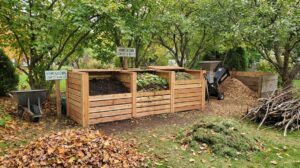
One of the most straightforward options is composting. I always recommend a low-maintenance compost bin or pile. Composting turns your clippings, leaves, and weeds into dark, crumbly “black gold” that works wonders in flowerbeds and veggie patches. For beginners, a closed bin keeps things tidy and controls odors. Bigger yards might suit a three bin or heap system.
- Do: Mix green matter (grass, veggie peels) with brown material (dried leaves, small twigs) in layers. Turn now and then to aerate.
- Don’t: Add invasive weeds, diseased plants, or big branches. They take too long to break down or could spread issues later.
You can read more about easy composting methods on the RHS composting guide for step-by-step details. Composting not only creates nutrient rich soil for your garden but also reduces the amount of waste sent to landfills. If you’re worried about smells or squirrels, modern compost bins have secure lids and built-in airflow, helping maintain balance while keeping pests out.
Make sure your compost stays moist but not soggy. If it gets too dry, sprinkle with a little water. If it gets too wet, add extra dry leaves or shredded newspaper to absorb moisture. Turning the pile every few weeks introduces oxygen and helps the compost break down evenly.
Mulching
If composting feels tricky, try mulching. Grass clippings (in thin layers), leaves, and chipped branches can be spread under shrubs or around trees. A 2–3-inch layer helps with moisture retention, weed control, and slowly feeds soil life as it breaks down.
- Use dried grass or leaves. Fresh grass can get slimy in thick piles.
- Chopping or shredding woody pruning’s helps them break down faster and look neater as mulch.
Mulching not only helps reduce weeds but also gives your gardens a neat, finished look. It insulates roots during hot and cold weather and provides a slow-release fertilizer as it decomposes. If you have access to free tree woodchips or autumn leaves, take advantage of them for cost-effective mulch in flower beds and under hedges.
Using Local Green Waste Collection
Lots of councils offer green waste collection, usually a separate bin or scheduled pickup. If you don’t have space or time to compost, this service is worth checking out. Guidelines about what’s allowed vary, so check with your local program. Branches may need to be cut to length, and certain weeds may not be welcome.
If your council does not provide green waste collection, some private companies offer pay-as-you-go or monthly pickups. This can take a lot of pressure off, especially after big landscaping jobs.
How to Prepare Garden Waste for Pickup or Dropoff
Sending waste offsite works best when you prep it well. Doing this makes municipal pickup smoother and lets operators recycle or process your green debris more efficiently.
- Bundle branches or cuttings: Tie woody material with natural string or stack neatly at the curb if required.
- Use approved bags/bins: Most councils want compostable bags or reusable bins. Never use plastic bags for green waste.
- Keep it clean: Remove rubbish, large stones, or anything synthetic so the material is easy to process.
Some garden centers also have waste drop-off points for pruned branches and bulk clippings, which comes in handy after a big overhaul. They often process it into mulch or compost for community use.
Before taking your green waste to a drop-off point, call ahead to check opening hours and any restrictions. Some places offer free drop-offs to residents, while others may charge a small fee per bag or load.
Smart Ways to Reduce the Volume of Waste
Minimizing how much green waste your garden generates keeps things simple and less overwhelming, especially during busy seasons. Here are a handful of ways I keep my yard’s output in check:
- Grass cycling: Leave grass clippings on the lawn after mowing. They break down quickly, feed the grass naturally, and save on bagging time.
- Prune little and often: Regular trimming means fewer giant heaps to manage in one go. It’s easier on your compost or mulch pile, too.
- Plant smarter: Use evergreens, ground covers, or slow growing shrubs as garden anchors. You’ll have less leaf and branch drop over the seasons.
- Chop, shred, and chip: A basic shredder or chipper (many garden tool rental shops offer them) can turn branches and twigs into handy mulch or a more compostable form.
Habit changes like grass cycling and smart pruning save loads of work. Plus, cutting down on yard waste means fewer trips out to the curb and more nutrients staying where your plants can use them. You can also plan your plant selection with waste in mind. Picking shrubs and trees that hold onto their leaves or are easy to prune reduces annual cleanup and makes garden maintenance less of a burden.
What Not to Add to Home Compost or Mulch
Certain garden and backyard scraps can cause headaches if they end up in your compost or as mulch. Here’s a quick cheat sheet:
- No Diseased Plants: Fungal spots, blights, or rusts can survive home compost and reappear later.
- No Nasty Weeds: Anything with persistent roots or seeds (bindweed, couch grass, dandelion heads) can keep growing or sprout again.
- No Plastics, Metals or Synthetic Waste: Only natural, untreated plant material should go in. No bits of plant tags, netting, or treated wood.
- No Large Branches: Anything thicker than your thumb is better off chipped or sent for municipal recycling.
Avoiding problem materials keeps your compost and mulch clean, effective, and a lot less frustrating to use down the track. Think twice before adding anything you’re unsure about.
Common Garden Waste Challenges (And Fixes That Actually Work)
- Dealing with Too Much at Once: Seasonal cleanups can create a mountain of leaves or branches. Breaking the job up over several weekends or hiring out a garden waste skip makes things manageable.
- Wet or Smelly Grass Clippings: Too much grass in one pile turns slimy. Mix with dry leaves, spread out thinly, or dry out before composting.
- Overwhelmed by Branches: Borrow or rent a small chipper or arrange a local recycling drop-off if your council doesn’t take large woody waste.
- Mixed Waste (Backyard Trash): Take a few minutes to sort green debris from plastics, stones, or treated materials before composting or setting out for council pickup.
Fixing Wet Compost
I’ve run into the classic problem of compost bins going soggy. When this happens, I add more dry leaves or shredded cardboard, stir everything up, and make sure there’s airflow. This balances out the green and brown content so things break down the way they should and keeps smells down.
If you notice fungus gnats or unpleasant odors, this often means your compost is too wet or doesn’t have enough airflow. Stirring it up regularly and making sure there are enough brown materials (like dry leaves) can help fix these problems quickly.
Environmental Perks of Good Garden Waste Management
Turning garden waste into new soil or mulch instead of bagging it for landfill means you’re recycling nutrients right at home. Healthy soil from compost helps boost your plants’ resilience, saves you cash on fertilizer, and stores carbon naturally. Using mulch keeps water in the soil longer, which means less sprinkling, especially during hot months.
Cities that support garden waste recycling can turn collected material into compost or mulch for use in parks and green spaces, so your work helps your wider community too. By reducing landfill use, you’re also helping to cut down on greenhouse gas emissions long term. The environmental impact is significant since compost and mulch return valuable nutrients to the soil and encourage biodiversity in your garden.
Frequently Asked Questions
Question: Can all garden waste go into home compost?
Answer: Most soft plant material is fine, but avoid weeds with persistent roots, diseased plants, and woody branches. Check with your local garden center for problem plants in your area.
Question: What do I do with large loads after a storm or cleanup?
Answer: Contact your council or a private green waste service to check for scheduled bulky pickups or hire a garden skip. Some waste stations will take bulk loads and turn them into local compost or mulch products.
Question: Are there alternatives to municipal green waste bins?
Answer: Try at-home composting, mulching right on your garden beds, or taking waste to local drop-off or recycling centers. Community gardens sometimes accept extra compostables if you ask.
Final Thoughts on Simple Garden Waste Solutions
Keeping on top of garden waste makes your outdoor space way more pleasant to use and helps the environment at the same time. With a mix of composting, mulching, recycling pickup, and smart waste reduction, you’ll see a healthier, greener garden and fewer overflowing bins. Every little step adds up. So, it’s worth trying out a few of these ideas in your own backyard for better results and a little more peace of mind.