Setting up smart drip irrigation in an urban garden can completely change how you care for your plants. I’ve found that getting the right system in place saves water, cuts down on maintenance, and helps plants grow like crazy—even in small city spaces. There are so many tech options out there now, and figuring out where to start might feel a bit dizzying. If you’re curious about making city gardening easier and greener, I’ll walk you through what you need, how it works, and my honest take on getting the most from a smart drip irrigation setup for your urban oasis.

Why Smart Drip Irrigation Makes Sense for Urban Gardens
City gardening comes with a few hurdles. Think tight spaces, rooftop heat, and plenty of concrete reflecting sunlight. Watering by hand can be a hassle, especially when you’re balancing work and life. I like smart drip systems because they go way beyond just convenience. They use water efficiently and are built for folks who want to keep plants happy while being mindful of the environment.
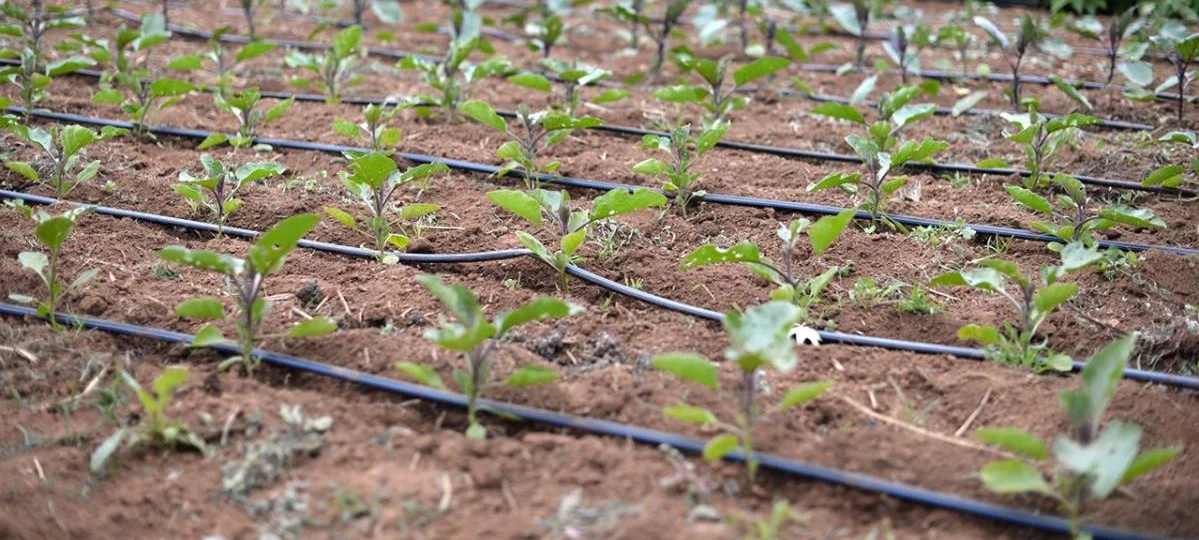
Drip irrigation, for those new to the idea, sends water right to your plants’ roots with a network of tubes and emitters. Smart versions take it up a notch by monitoring soil moisture, weather, and even plant type using sensors and automated timers. This can lead to big savings on water and less chance of over- or under-watering. That’s a huge win in a city where every drop and every second matter.
These systems are great for people who want healthy, robust plants but don’t have hours to spend babysitting their garden. With more cities facing water restrictions, smart drip irrigation really pulls its weight and helps you make the most out of every drop.
Core Components of a Smart Drip Irrigation System
Building your own setup is easier than it sounds. You really only need a handful of parts. Here’s what I always look for when putting a system together:
- Controller Unit: This is the brain, usually Wi-Fi or Bluetooth enabled, that matches watering to your plants’ needs and often connects with an app.
- Soil Moisture Sensors: These check if the soil is wet enough, letting the system know when to water or pause. The better ones update frequently and are easy to read with your smartphone.
- Tubing and Emitters: Tubing serves as the water highway, with drip emitters or micro sprayers delivering water right where it’s needed. Some kits now include adjustable emitters, giving you flexibility as your plant collection grows or changes.
- Fittings and Filters: These pieces join everything together and keep debris from clogging up your network. Good filters save a ton of headache down the line.
- Smartphone App: Most setups come with a companion app for scheduling, notifications, and monitoring stats remotely. Advanced features will let you track overall water use over time, identify leaks, and get tailored advice for your garden type.
Systems can get pretty fancy. Some have weather forecasting and integrate with popular smart home platforms like Alexa or Google Home, while others remain simple and straightforward. Even a basic version with a timer and a few sensors can seriously take your garden up a notch.
How to Set Up Smart Drip Irrigation in a Small Space
Many urban gardeners have patios, balconies, or small shared plots. Installing smart drip irrigation in tight quarters is actually pretty straightforward. Here’s how I usually go about it:
- Map Your Plant Layout: Measure where your pots, raised beds, or vertical walls sit. Sketch a basic plan, as knowing where each plant lives helps you plan tubing runs and emitter placement.
- Install the Controller and Sensors: Mount the main controller near your water source and make sure it’s sheltered from harsh weather. Stick soil sensors into the root zones of a few key plants. These sensors act as representatives for different zones in your city oasis.
- Lay Out Tubing: Run main tubing from your water tap or tank, then branch off to reach each plant. Use stakes or clips to keep lines neat and avoid creating any trip hazards, especially in shared spaces.
- Place Emitters: For pots, loop a short section with one emitter per plant. For larger planters, space emitters every 12 to 18 inches. Adjustable emitters work really well for containers of varying sizes and soil types.
- Connect and Test: Link all tubes, add filters or pressure regulators if your tap runs high, and plug into the controller. Turn on the system. Watch for any leaks or blockages and adjust emitter flow to match each plant’s needs. It’s helpful to run through a test cycle with the app and double-check each emitter.
The whole process usually takes a weekend or less. My first install was a little fussy, but after tweaking and getting familiar with the parts, it ran smoothly, and the plants pretty much thrived on autopilot. If you get creative, you can even hide most of the tubing behind planters or under pebbles for a cleaner look.
Things to Think About Before Installing
Even the coolest system still needs to fit your lifestyle and space. When I chat with fellow city gardeners, these are some typical roadblocks and tips to keep things easy:
- Water Pressure: Apartment taps can have low or inconsistent pressure. Drip systems work best with steady flow. Pressure regulators help if things are unpredictable.
- Power and Connectivity: Smart controllers need Wi-Fi or Bluetooth. Some run on batteries, others need plugs or solar panels. Check what suits your situation best, including whether outlets are sheltered or if you might need extension cords.
- Weather Exposure: Electronics in full sun or heavy rain might get damaged. Use weatherproof housings, and place sensitive gadgets under eaves or in protected nooks. Check if your system offers outdoor-rated controllers.
- System Maintenance: Flush out tubing every few weeks if you suspect hard water or sediment. Clean filters monthly and keep an eye out for dripper clogs, especially after high pollen seasons.
Water Pressure
If you’re dealing with a rooftop or high-rise install, pressure can really vary. Using a pressure-compensating emitter or a regulator ensures that all your plants get the same amount of water, even if some are farther from the source.
Connectivity and Power
Controllers typically need access to a stable Wi-Fi signal if you want remote management. For balconies with spotty signal, I’ve used Wi-Fi range extenders. Portable battery packs or solar chargers can be real lifesavers if outlets are out of reach.
Weather Protection
Hardware lasts longer if you keep it covered. I’ve used storage totes or upside-down planters with vents as weather shields. Just make sure water can’t pool inside and damage the electronics.
Maintenance and Clogs
Urban water can be gritty. Investing in a solid filter up front and giving emitters a quick rinse every month helps avoid most hassles. If you use recycled water, check and clean more often, since small particles can build up faster.
It’s also helpful to give your entire system a quick look-over after storms—especially in areas where wind brings in leaves or debris. A once-a-month deep clean usually keeps everything running smoothly for the full season.
None of these are huge barriers, especially if you’re prepared. Most problems I’ve faced were solved with an inexpensive part or a quick clean-up job. The peace of mind and water savings more than make up for the small amount of upkeep.
Smart Features for Even Easier Gardening
The best part about these new systems is all the automation. Here’s what I find most useful and why:
Weather-Adaptive Watering: Systems like Rachio or Orbit Bhyve connect to weather forecasts. If it rains today, you don’t have to adjust anything. That saves water and prevents soggy roots, which helps make your urban garden more sustainable.
Zone Customization: You can set different watering times for shade, sun, or specific plant types. This is handy if your basil is thirsty but your succulents hate extra moisture, and it streamlines the whole care process for mixed plant groupings.
Real-Time Notifications: Apps send alerts if a valve sticks open, water runs low, or sensors spot unusually dry soil. I get texts on my phone, so I’m never caught off guard. Knowing things are handled is a real stress-buster during heatwaves or vacations.
Integration With Smart Homes: These systems often work with voice assistants or home automation routines. You can control watering by voice command or even pause watering when you’re hosting a patio dinner. It’s a small luxury that adds up to a much smarter garden experience.
Best Real-World Uses and Success Stories
After setting up a system of my own, I’ve seen how it strengthens plant health and just makes garden life easier. Here’s some cool stuff I’ve noticed, and a few cases that might inspire you:
- Balcony Veggie Gardens: Friends of mine run drip lines along slender window boxes, keeping salad greens perfectly watered. No running around with a heavy watering can or dealing with soil splatter—just steady, mess-free hydration.
- Rooftop Pollinator Gardens: A neighbor uses a weather-smart system to help sunflowers and lavender thrive in hot conditions. She’s noticed more pollinators, fewer wilted plants, and longer bloom times, which has truly stepped up the biodiversity of her little city patch.
- Community Plots: In shared spaces, I’ve seen garden teams use app-managed irrigation to organize weekly care. No one forgets, no beds get skipped, and everyone pitches in for maintenance. The tech keeps things easy and encourages group participation.
One of my proudest garden upgrades was finally ditching the old hose timers and tracking everything from my phone. Seeing usage stats and knowing my plants are covered, even when I’m on vacation, is one of those low-effort, high-reward changes every garden lover should try.
Frequently Asked Questions
Here’s what gardeners often ask me about getting started with smart drip irrigation:
How hard is it to DIY a drip irrigation system in a small apartment garden?
Totally doable. Most kits are user-friendly, and you can expand as your plant collection grows. Just take some measurements, sketch a plan, and check your tap compatibility. There are plenty of online guides and videos that can help if you’re unsure about any step.
Is it worth going for a pricier smart controller?
If you travel a lot or want precise control from your phone, I’d say yes. Budget models work, but advanced features like weather forecasts and custom zones make a big difference in city environments. Higher-end controllers are also more likely to receive software updates and compatibility with the latest smart assistants.
Will it work with rainwater barrels?
A lot of systems can connect to barrels, but you might need a small pump to get enough pressure. There are kits made just for low-pressure sources and even solar-powered options, so don’t count out your saved rainwater for small-scale irrigation projects.
Final Thoughts
Smart drip irrigation setups bring tech into your garden in a way that’s all about saving time and water while giving your plants what they actually need. Setting up one of these systems doesn’t have to be complicated. With a bit of planning, you’ll enjoy healthier plants and much less hassle. Whether you’re planting on a balcony, rooftop, or in a shared city plot, there are lots of systems out there to fit just about every budget, grow space, and tech skill level. Kick back, relax, and get ready to enjoy city-grown tomatoes and vibrant blooms—all thanks to clever tech and a little effort up front.
Have you ever tried drip irrigation in your garden? What was your biggest challenge?
What part of watering your garden do you find most time-consuming or frustrating?
If you could automate one part of your garden care routine, what would it be?
Do you feel like your current watering habits are efficient, or do you suspect water is being wasted?
Keep up the good work!
Hi S.J. and thank you for your valuable questions! This past season I did set up a drip irrigation system in my greenhouse. It was the first time I had done so, although I had planned on it for a couple of years. My biggest challenge was just getting the set up started. Once I had figured out the set-up of the system, and I had all my plants in place, the remainder of the set up came together nicely. This is, however, not a job to be rushed.
I decided to put this type of irrigation system into the greenhouse as watering in general was becoming a tedious task, one I would put off then regret doing so. Some of my vegetable would require less watering than others and when I was doing a general watering, I would be doing more harm than good. The new system was a game changer. With the ability to turn off some sections for watering, the vegetables that required less didn’t get overwatered and they flourished.
I have a rainwater collection system set up that feeds my irrigation system, and I found I didn’t go through the rainwater as fast as I did watering “manually”. Now having the ability to conserve this water during drought times tells me that my previous watering was most likely wasteful.
Now if someone could come up with an automatic weeding system!!!
Thank you again for your questions! I hope I have been able to answer them for you!
Happy Gardening!
Pauline