
Seasonal flower planting is one of those hobbies that always seems to surprise me, whether I’m watching a bare patch turn into a buzz of color or just enjoying the excuse to get into the dirt. Figuring out what to plant, when, and how can get a little confusing, especially with all the different climates and plant varieties. This guide covers everything you need to plan your flower garden by season, even if you’re just starting out and want something relaxed and beautiful.
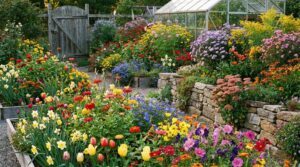
Why Seasonal Flower Planting Matters
There’s a real difference between randomly tossing flower seeds in the ground and following the seasonal cues of nature. Picking the right blooms for each season means you get steady color and less hassle with pests or plant diseases. Garden centers often highlight what’s “in season” for good reason. It’s about giving flowers their best shot at thriving.
Across North America and Europe, the average garden season has changed in recent years due to shifting weather patterns, with warm spells coming earlier and cold snaps sometimes lasting longer. Keeping tabs on your region’s last frost and first frost dates gives you a better shot at timing everything so your hard work pays off with a garden that’s popping all year long.
Ornamental plants aren’t just for looks; they attract pollinators like bees and butterflies and help keep the local ecosystem buzzing. I’ve found that getting your seasonal timing locked in helps make maintenance easier too, since flowers grown at the right time are often healthier and less likely to succumb to disease or drought stress.
Understanding Flower Planting by Season
Spring, summer, fall, and even winter gardening each offer unique perks and little hurdles. Some flowers need winter’s chill to sprout, while others thrive in the peak heat of August. Knowing the basics for each season saves you from disappointment and helps you make the most of every square foot of your outdoor space.
Here are a few terms worth knowing as you plan out your year:
- Annuals: Complete their life cycle in one year and need to be replanted.
- Perennials: Come back year after year, so you plant once and enjoy them for seasons.
- Biennials: Live for two years, blooming in the second year before dying off.
- Hardy: Can take the cold and often survive mild winters.
- Tender: Don’t handle frost and need warmer weather to grow.
If you’re new to gardening, it helps to sketch out or list what you want for each season. That way, you avoid empty patches and keep your flower beds attractive even as the weather changes. Taking notes as blooms appear and fade through the year gives you a record to look back on next planting season.
Guide to Seasonal Flower Planting
Timing really makes a difference when planting flowers, and the good news is you don’t need a greenhouse to get things right. Following these general tips can keep your garden blooming nearly year-round and help you avoid surprise frosts or midsummer heat waves ruining your efforts.
- Spring Planting: Once your soil is workable and the danger of frost has passed, it’s time to sow hardy annuals like pansies, snapdragons, and sweet peas. Early spring bulbs (like tulips and daffodils) are usually planted the previous fall, but late bloomers like lilies can go in as the soil warms up. Spring is also the perfect time to divide many perennials and give your existing beds a fresh start.
- Summer Strategies: Warm season annuals like zinnias, cosmos, marigolds, and sunflowers can handle the heat. I usually direct sow these after the last frost, letting them soak up those long sunny days. For ongoing color, try planting a second round of seeds in early summer. Watch for water needs, as the long days and higher temperatures dry out the soil quickly.
- Fall Focus: Mums and asters keep color going late in the season. Early in fall, you might still get away with planting fast-growing annuals, but it’s also the perfect time for perennials and spring flowering bulbs (like hyacinths and alliums) that need winter’s chill to bloom strong next year. Fall is a great time to clean up beds, add organic matter, and plan for spring color.
- Winter Prep: Not much grows in most gardens this time of year, but you can still plant certain hardy perennials or start indoor seeds under grow lights. I love using this downtime to plan and order seeds for spring. It’s also a good time to prune trees, clean tools, and reflect on last year’s successes and failures to improve next season.
Matching planting times to your local climate means keeping an eye on weather forecasts and knowing your USDA Hardiness Zone or similar regional guides. This is super helpful when comparing what works in your neighbor’s yard or in that magazine garden you just bookmarked. Remember, microclimates—those small areas in your yard where sun, shade, or wind create unique conditions—can matter almost as much as the zone itself.
Important Considerations Before Choosing Flowers
Picking seasonal flowers sounds easy until you see just how many options there are at the garden center. So, before you fill up your cart, here are a few things I always think about:
- Sunlight: Most flowers need at least six hours of sun, but some, like impatiens and foxgloves, are fine with a bit of shade.
- Soil Type: Some flowers are picky about soil drainage or PH. Testing your soil once saves you a ton of guesswork. Adding compost or organic matter can help both sandy and clay soils support healthier blooms.
- Pest Pressure: Marigolds, for example, naturally repel some bugs, which is handy if you prefer not to use chemical sprays. Companion planting with herb flowers like basil or chives can keep pests away while adding useful greens to your patch.
- Bloom Time: I usually pick flowers with staggered bloom periods so there’s always something happening. Blending early, mid, and late season bloomers gives your garden visual interest for longer stretches.
- Local Wildlife: Deer and rabbits can take a toll on your efforts. Picking deer resistant varieties saves headaches and sometimes adding a few fragrant or textured plants is enough to keep critters out of your beds.
Soil Preparation and Drainage
Starting with good soil makes every season easier. I like to work in a few inches of compost and check for drainage by watering and waiting. If water still pools after an hour, the soil may need some fixing up with sand or extra organic matter. Aerating compacted earth can also help roots grow deeper and stronger.
Plant Choices for Pollinators
Choosing flowers like lavender, coneflower, and beebalm brings bees and butterflies all season. I’ve seen way more activity by mixing in a few native plants, and the garden feels a lot more alive. Even planting a few milkweeds or wildflowers at the border of your property can draw in pollinators and keep pest insects at bay.
Practical Examples for Seasonal Flower Planting
Mixing annuals and perennials tends to work pretty well if you want lots of variety with less year over year fuss. Here are a few tried and true combinations and specific ideas for different times of the year:
- Spring: Daffodils and hyacinths with pansies tucked between for layered color. Tulips underplanted with creeping phlox give a carpet of blooms just as the tulips fade.
- Summer: Marigolds, zinnias, and cosmos for heat loving color and easy care. Combine with Black-eyed Susans for big sunny patches.
- Fall: Chrysanthemums and sedum filling out the last bits of lingering warmth. Add ornamental kale or cabbage for texture and late season interest.
- Winter Interest: Ornamental grasses and evergreen perennials keep things from looking bare, especially with snow as a backdrop. Red twig dogwood or hellebores can even provide color in the dead of winter.
Perennial gardens with lots of daylilies and Black-eyed Susans can be nearly self-sustaining by their third year. I met a neighbor who inherited a garden full of peonies planted decades ago by her grandmother that blooms like clockwork every spring. That’s proof that a little planning goes a long way! The combination of annual color and perennial structure provides the best of both worlds.
Advanced Flower Planting Tips
When you feel ready to take things up a notch, a few advanced tricks can make a big difference in how much you get out of your flower garden:
Succession Planting: Plant new batches of seeds every two or three weeks. That way, as soon as one set finishes blooming, another is ready to take its place. This method is awesome for extending the color of fast-growing flowers like zinnias, cosmos, and clarkia.
Layering Bulbs: Plant a mix of early, mid, and late blooming bulbs at different depths in the same spot. This keeps the color going for months without replanting. Tulips, daffodils, and crocus all work well mixed together this way.
Deadheading: Snip off fading blooms to encourage new growth and extend the blooming period of annuals and perennials like petunias and salvias. Regular deadheading during the season can keep tired looking plants producing fresh flowers well into fall.
Composting: Using homemade compost as mulch gives a constant boost to the soil and suppresses weeds. It’s a sustainable way to recycle yard waste and nourish future blooms, especially when worked in during winter prep.
Experimenting with color combos or unusual plants like blue poppies, oriental lilies, and native wildflowers adds a bit of eye-catching style. Seed swaps with friends or neighbors can be a great low-cost way to try something new each year — sometimes you’ll stumble upon a flower you never even knew existed! Keep an open mind and a small patch for these experiments to see what you love most.
Frequently Asked Questions
Here are some of the questions I’ve heard the most from new gardeners:
Question: Can I plant flowers out of season?
Answer: Some fast growing annuals can go in once danger of frost is low, but most flowers do best when planted during their recommended window. Pushing the timing too much can result in weaker plants or no blooms at all.
Question: How do I know which flowers to plant in my area?
Answer: Use your hardiness zone as a starting point, then ask at your local nursery about what does well. Native plants often need less maintenance and stand up better to local weather swings.
Question: How often should I water newly planted flowers?
Answer: I usually check for moisture every other day, making sure the soil stays damp but not soggy. Once established, many flowers are more forgiving, but new seeds and starts dry out fast, especially during spring and summer heat.
Enjoying Your Flower Garden Year-Round
Making seasonal flower planting part of your yearly routine, whether it’s your first go or you’re adding to a trusted bed, brings a lot of joy and color to every part of the year. With a little planning and some smart plant picks, you’ll have something blooming almost every month for yourself, your neighbors, and the butterflies and bees that come to visit.
So grab a trowel, pick up a few seed packets, and start your own seasonal planting adventure. There’s always something new to try in the garden! Keep an open mind and pay attention to what blooms thrive best in your local conditions, and you’ll be rewarded with season after season of beauty—plus a real sense of accomplishment each time your garden comes back to life.