
Companion planting is a gardening approach I find really rewarding, with roots that stretch back hundreds of years. It’s all about growing different plants close together, so they support each other in ways that boost growth, reduce pests, and even improve flavors. While some companion pairings are legendary, like tomatoes with basil or carrots with onions, there’s a whole science behind why these combos work. I’m here to break down the mechanics that make companion planting effective and give you some handy tips to use in your garden.
How Companion Planting Works in the Garden
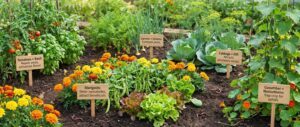
At its core, companion planting taps into relationships that plants naturally have with one another. Some of these are direct, like marigolds sending pests running from tomato plants, while others involve what’s happening underground or in the air. By mixing up your beds with different kinds of plants, you’re creating a mini ecosystem that looks after itself in a bunch of subtle ways. 🌱
The logic behind companion planting comes from both age-old tradition and modern research. Some gardeners learn pairings through years of personal experience, but horticulturalists have also shown that plant combinations can reduce insect problems, keep diseases at bay, and get more out of your garden space.
Main Ways Companion Planting Makes a Garden More Effective
Companion planting works by bringing together plants that add value to each other. Here are a few key ways this approach helps out in the garden:
- Pest Reduction: Some plants produce scents or chemicals that confuse, repel, or attract pests away from crops that need protection. For example, onions mask the scent of carrots, making it harder for carrot flies to find them.
- Better Pollination: Mixing in blooming flowers like calendula or nasturtiums can draw in bees and beneficial insects, resulting in higher yields for veggies like squash and cucumbers.
- Soil Health: Certain combinations, like legumes with corn, help the soil; beans fix nitrogen, which corn loves. This natural enrichment limits the need for added fertilizer.
- Efficient Use of Space: Tall plants shelter delicate crops from harsh sun, while ground cover plants shade out weeds. It’s smart use of limited garden real estate.
Getting Started with Companion Planting
If this is your first try, don’t sweat it. I started with just a few pairings and was honestly surprised by the results.
You don’t need a degree in horticulture to get going. Pay attention to which plants are best buddies and avoid those that tend to compete for the same resources or attract the same problems. For beginners, try these classic duos:
- Tomatoes & Basil: Basil’s aroma helps deter some tomato pests and, bonus, both taste amazing together!
- Carrots & Onions: Each unwanted pest is repelled by the other’s scent, so both benefit.
- Corn, Beans & Squash (Three Sisters): Corn provides a pole for beans to climb, beans fix nitrogen for the corn, and squash leaves cover the ground to keep weeds down.
I still grow these combinations year after year, and they rarely let me down.
Step-by-Step Guide to Planning Your Companion Planting Garden
Getting things right means looking at your space and deciding which pairings make the most sense for what you want to eat and what your climate allows. Here are five easy steps to get you started, no matter your garden size:
- Make a List of Favorite Crops: Pick out veggies and herbs you actually want to eat or use in your cooking. Consider what grows well in your climate and the space you have available.
- Check for Good Pairings: Look up which plants do well together, and which don’t. There are plenty of free charts online, and I find the Old Farmer’s Almanac companion planting guide pretty handy. You might discover some surprisingly effective pairings unique to your region, so keep your eyes peeled for local wisdom, too.
- Lay Out Your Garden: Place taller crops on the north side if you’re in the northern hemisphere, so they don’t shade out shorter ones. Mix in flowers at corners or along rows for a pollinator boost. Sketching a quick layout really helps you picture how your garden will look and function.
- Rotate Crops Each Season: Move things around every year to prevent disease buildup and keep the soil lively. Even small changes in your planting layout can help avoid repeating pest and disease issues.
- Observe & Tweak: Keep notes on what works, what doesn’t, and adjust as you learn. Gardening journals make this easy over a few seasons, and looking back at them makes planning simple and less stressful.
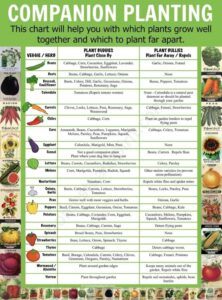
Take a look at the Companion Planting guide for some ideas of companion planting that works:
Small, steady changes can add up to big improvements even after just one season. As you grow more confident, mix in some variety each year to take advantage of what you noticed the previous season. The beauty of this process is watching the way your garden gets better and more productive with every tweak you make.
Factors to Consider Before Choosing Companion Plants
Companion planting isn’t a guaranteed fix for every garden problem. There are some things to keep an eye on so you get the best bang for your buck:
- Soil Needs: Some plants are heavy feeders and might not thrive next to others that compete for nutrients. For example, don’t put tomatoes and corn together as both are nutrient hungry and can leave each other struggling if your soil isn’t very rich.
- Growth Habit: Vining plants like cucumbers or pole beans need space or something to climb, so give them a spot near a trellis or tall crop like sunflowers or corn. Watching how plants spread and grow helps you avoid tangled beds and lets each crop shine.
- Water Requirements: Pair plants with similar watering needs so nothing gets drowned or dried out. For instance, cacti and lettuce aren’t great neighbors. Matching watering needs makes garden maintenance way easier.
- Competition: Avoid pairing crops that battle each other for sunlight, space, or water. Sometimes, giving a little extra space between plants makes a big difference for both yield and plant health.
Keeping records of your combinations and how they performed can save a lot of guesswork in future seasons. If you have a particularly tough year, don’t be afraid to switch things up and ask local gardeners for advice—they often know tricks that only come from years of trial and error.
Dealing with Pests and Diseases
Companion planting really shines when it comes to natural pest control. Here are a few plants I rely on:
- Marigolds: Their strong smell seems to send nematodes and aphids packing. Plus, they add some next-level cool color to your beds.
- Nasturtiums: These act like a trap crop, attracting aphids and other insects away from more delicate plants. I always tuck a few of these in between my veggies for bonus protection and some edible blooms in salads!
- Garlic: Works as a natural fungicide and helps deter spider mites and Japanese beetles. It pays double duty in the kitchen and the garden, and planting garlic around the edges of beds gives a boost to many crops.
None of these are silver bullets, but over time, they make a big difference in cutting down on the need for sprays or harsh treatments. You’ll also likely spot fewer outbreaks as your garden’s natural resilience grows.
Maximizing Harvest and Flavor
What surprised me most when I started companion planting are the little ways certain combos boost flavor and production. Some gardeners swear that basil boosts the taste of tomatoes, while borage can help strawberries yield more fruit. Beans grown with beets taste fresher and can give a bit more sweetness to the root crop, too. Marigolds and dill planted throughout the beds add subtle flavor notes and seem to pump up plant health overall.
The improvement isn’t always dramatic, but you’ll notice a general uptick in garden health and production. That steady, healthy vibe means you’re pulling more from your space with less extra effort. Plus, experimenting with flavor pairings gives you a kitchen full of new possibilities when harvest time rolls around!
Popular Companion Planting Examples You Can Try
- Peppers & Marjoram: Marjoram attracts beneficial insects that feast on pepper pests.
- Broccoli & Dill: Dill encourages predatory insects that target cabbage worms, protecting delicate brassicas.
- Lettuce & Radishes: Radishes grow quickly and mark rows for the slow sprouting lettuce, making harvest easier and reducing weed trouble.
- Sunflowers & Cucumbers: Sunflowers provide climbing support, plus their pollen and nectar keep bees buzzing around your vegetable beds.
These combinations are just the start. You can check out resources or join garden communities online to track down more unusual mixes that suit your particular climate or goals. Garden experiments sometimes stumble upon totally new matchups worth repeating next year.
Frequently Asked Questions
If you’re just getting started or curious to know more, these are questions I get all the time:
Question: Can I use companion planting in raised beds or containers?
Answer: Absolutely, just select smaller plant varieties and keep an eye on spacing. Flowers, herbs, and veggies can all be packed into raised beds with great results. Even window boxes can benefit from pairing herbs and edible flowers for both flavor and beauty.
Question: Does companion planting guarantee no pests?
Answer: Not quite, but it does help reduce the worst offenders so you need fewer chemical controls. You’ll still see some bugs, but damage is usually much lower. Keeping an eye out for early signs of trouble lets you address problems before they get big.
Question: How do I know which combinations to avoid?
Answer: When in doubt, check reliable sources like university extension sites. Some classic no-go combos are beans with onions, or tomatoes with fennel; they don’t get along well or compete too heavily for resources. Don’t be afraid to ask at local plant nurseries or gardening clubs for regional advice.
Bottom Line on Getting the Most Out of Companion Planting
Learning to mix and match crops is great for beginners and experienced gardeners alike. When planned well, companion planting keeps gardens productive, minimizes the headaches of dealing with pests, and makes things run a lot smoother overall. Even a few well-chosen plant buddies can make a real difference in your harvest and the overall vibe of your garden.
Give it a try; it’s fun to experiment, and there’s always something new to track down with every growing season. As you get comfortable, you might even spark new trends or share ideas with fellow gardeners to keep the sense of adventure alive in your outdoor space.
Back to Companion Planting.
This is such an insightful and inspiring post, Pauline! You’ve done a wonderful job explaining not just what companion planting is, but why it’s so effective. I love how you connected ancient gardening wisdom with modern science — it really shows that this practice is both timeless and practical. Your examples, like tomatoes with basil and the classic Three Sisters combination, make the concept easy to understand for gardeners of all levels. The section on soil health and pest reduction was especially valuable; it’s amazing how plants can naturally support each other and create a thriving mini-ecosystem. I also appreciate the step-by-step planning guide and the reminder to rotate crops — simple yet powerful advice for long-term success. This post truly highlights how mindful planting can transform any garden into a balanced, productive, and sustainable space. Beautifully written and incredibly helpful!
This is such an insightful and inspiring post, Pauline! You’ve done a wonderful job explaining not just what companion planting is, but why it’s so effective. I love how you connected ancient gardening wisdom with modern science — it really shows that this practice is both timeless and practical. Your examples, like tomatoes with basil and the classic Three Sisters combination, make the concept easy to understand for gardeners of all levels. The section on soil health and pest reduction was especially valuable; it’s amazing how plants can naturally support each other and create a thriving mini-ecosystem. I also appreciate the step-by-step planning guide and the reminder to rotate crops — simple yet powerful advice for long-term success. This post truly highlights how mindful planting can transform any garden into a balanced, productive, and sustainable space. Beautifully written and incredibly helpful!