Soil health sits at the center of strong gardens, bountiful farms, and longlasting landscapes. Whether I’m growing veggies in a small backyard or helping out on a bigger plot, how well I care for the soil under my feet shapes just about every result I see above ground. With that in mind, here’s my deep guide on keeping soil in good shape for the long haul.
Why Healthy Soil Matters
Soil does more than just hold plants upright. Healthy soil supports plant roots, stores water, feeds crops, breaks down waste, and even helps filter pollutants before they enter groundwater. The web of life in soil—from earthworms and insects to fungi and bacteria—keeps nutrients moving and makes the dirt beneath us more than just plain old dirt.
The rise in sustainable agriculture and home gardening has put a spotlight on soil quality. Good soil structure means stronger yields, fewer pest problems, and less erosion. Soil that’s alive with microbes can hang onto water better, which is a big help during dry spells. I’ve learned that putting the effort into soil pays off in healthier plants and lower work in the long run.
Main Ingredients for Healthy Soil
When I think about keeping soil in solid condition, I break it into four main areas: soil texture, organic matter, nutrient balance, and soil life. Each piece plays a unique role in how productive or tough the soil turns out to be.
- Soil Texture: The mix of sand, silt, and clay in soil affects water drainage and root growth. Too much sand drains too fast. Too much clay holds water too long and gets sticky.
- Organic Matter: Everything from compost and leaves to rotting roots adds to soil’s organic matter. This helps with water retention, fertility, and keeps compaction at bay.
- Nutrient Balance: Soil needs a mix of major nutrients—nitrogen, phosphorus, potassium—and trace minerals to fuel plant growth. Lacking any of these leads to weak plants.
- Soil Life: Earthworms, beetles, fungi, and bacteria all work together to cycle nutrients, aerate the soil, and break down dead matter. The more diverse the living community, the better the soil works.
Simple Ways to Give a Boost and Maintain Soil Health
Keeping soil healthy is an ongoing task. Here are the practices that have worked best for me and gardeners I know:
- Use Compost Generously: I add compost every season because it’s a great allaround booster. Compost brings in new organisms, adds nutrients, and helps soil hold water. Homemade or store bought, every bit helps.
- Rotate Crops: Growing the same thing in the same spot gives diseases and pests a free ride. Rotating crops keeps soil nutrients balanced and blocks these unwanted guests.
- Grow Cover Crops: Cover crops, or “green manure,” like clover or rye, help lock nutrients in place. When tilled into the soil, they boost organic matter, block weeds, and keep erosion low.
- Limit Tilling: Tilling turns over the top layer of soil, but too much breaks down structure and dries things out. I mostly use notill or lowtill methods to keep soil layers stable and soil life happy.
- Mulch Often: A layer of straw, wood chips, or even shredded leaves on the soil helps retain moisture, cool the ground, and feed microbes as it decays.
- Add Organic Fertilizer When Needed: When soil tests come back a little low on certain nutrients, I mix in wellbalanced, organic fertilizers or amendments like rock dust, seaweed, or bone meal.
Common Soil Health Roadblocks, and How I Fix Them
Even the best soils can run into problems. Here’s how I handle some tough setbacks:
- Compacted Soil: Packeddown soil keeps roots from spreading and water from sinking in. I use a garden fork to gently loosen the soil and add lots of organic matter to fluff things up. Deep rooted cover crops like daikon radish also help break up hard ground.
- Poor Drainage: Standing water and slow drainage are trouble signs. Adding coarse organic matter (like composted bark) and avoiding walking on wet soils helps a lot. Raised beds are a quick fix if clay soils are a repeated headache.
- Imbalanced pH: I check acidity or alkalinity with a pH kit. Lime helps raise pH, sulfur brings it down, but slow changes are best. Certain plants (like blueberries) thrive only in acidic soils, so knowing the soil pH lets me choose what’s best to grow.
- Nutrient Shortages: Yellowing leaves or poor growth show a nutrient gap. I scrape off mulch, add specific amendments based on soil tests, and water them in well.
What To Watch Out For
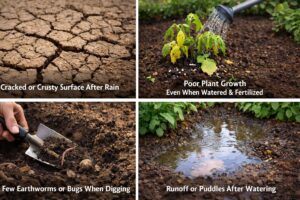
Some red flags that soil needs some TLC:
- Cracked or crusty surface after rain
- Poor plant growth even when watered and fertilized
- Few earthworms or bugs when digging
- Runoff or puddles after watering
Staying on top of these issues keeps small problems from turning into major ones.
Improving Soil Health on a Budget
Soil care doesn’t have to wreck your wallet. A few simple actions can make a big difference over time:
- Leaf Mulch and Grass Clippings: Instead of bagging grass or leaves, I put them right back on the beds. They break down slowly and feed the soil for free.
- Make Your Own Compost: Kitchen scraps, coffee grounds, and yard waste can all be turned into compost. Even a small pile in a garden corner helps.
- Barter or Swap: Trading extra manure or mulch with neighbors or local farmers is an easy way to score organic matter in bulk.
Investing in soil may mean a bit more upfront work, but I’ve found it saves cash on chemicals, fertilizers, and headaches later on. Plus, it’s a sustainable way to make the most of what’s already up for grabs in your community.
Frequently Asked Questions
Here are a few of the top questions people ask me about keeping soil healthy:
Question: How often should I add compost to my garden beds?
Answer: I add a one to two inch layer once or twice a year. Once in spring, and again in fall is ideal. For heavy feeders like tomatoes, a bit more during the season does wonders.
Question: Do I need to test my soil?
Answer: Testing is a good idea every few years or before planting new beds. Home test kits are simple to use, or you can send off a sample to your local extension service for a super detailed rundown.
Question: Are chemical fertilizers bad for soil health?
Answer: They aren’t all bad, but using too much can upset soil biology. I mostly stick with organic sources that slowly give a boost to the life in soil. Still, the occasional pinch of a synthetic fertilizer won’t ruin everything if kept in check.
Question: Can I improve sandy or clayheavy soils?
Answer: Yes, for sure! Consistent mulching and composting help both types get closer to the “loam” sweet spot over time. Cover cropping and rotating what you plant also pay off.
Examples of Real Soil Health Practices
Across the U.S. and beyond, more gardeners and farmers are talking about “regenerative farming”—basically, growing food in ways that build soil up over time instead of tearing it down. I’ve seen this in urban community gardens, where compost piles and mulched paths have turned poor city dirt into rich planting ground within just a few years. On larger farms, rotating livestock, planting vetch or clover as cover crops, and using notill seed drills keep hundreds of acres growing strong.
- Vegetable Gardens: Compost bins and annual mulching keep backyard gardens buzzing without loads of storebought fertilizer.
- Flower Beds: Regular mulch and homemade compost mean less weeding and more blooms.
- Bigger Farms: Using manure, rotating crops, and skipping tilling can bring wornout soils back to life much faster than you’d guess.
Lots of examples and stories are out there if you want to check out more details. The Natural Resources Conservation Service (NRCS) has useful free info, and your local extension office can share tips specific to your spot.
Bottom Line
Healthy soil isn’t just about the dirt itself. It’s the base for every garden, yard, and field out there. A little effort in keeping soil covered, fed, and full of life really pays off. Whether you’re growing herbs, veggies, or friendly grass, putting focus on the ground below helps everything grow stronger above it.
Give these tips a try and keep learning from your own garden. With attention to soil health, you’ll be rewarded with tastier crops, brighter blooms, or a lush lawn that feels great under your feet.