Soil health is a game-changer for anyone who loves gardening. Whether you’re planning a veggie patch, planting some colorful flowers, or trying out your first set of fruit trees, healthy soil is what backs up strong plant growth. Soil isn’t just the dirt under your feet; it does way more, acting as a living foundation packed with tiny organisms, nutrients, and minerals. If you’re hoping for healthy, productive plants, paying attention to soil health is super important.
What Does Soil Health Really Mean?
Soil health, sometimes called soil quality, is all about how well soil does its job in the ecosystem. A healthy soil works like a well-tuned team. It holds onto moisture, cycles nutrients, supports countless living things, and resists erosion. When soil health drops, plant growth struggles, diseases creep in, and gardens just don’t thrive the way you’d hope.
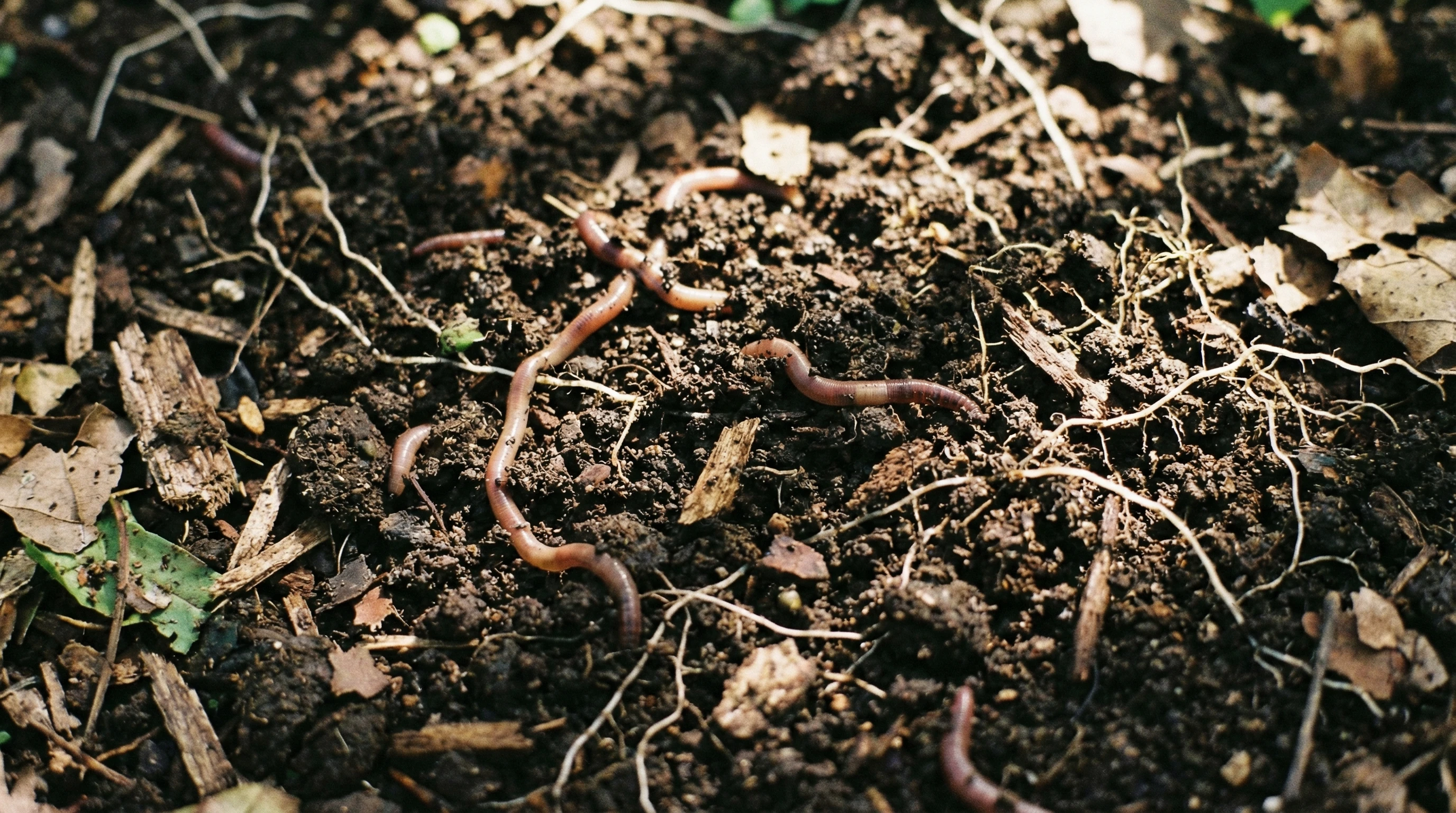
Healthy soil feels crumbly, looks dark or rich in color, and is often packed with earthworms and other visible life. It’s loose enough for roots to spread but solid enough to anchor your plants. If it smells a bit sweet and earthy, that’s usually a solid sign you’re working with quality stuff. In addition to these physical cues, a good soil also offers balanced drainage and lets plant roots access nutrients throughout the growing season, which leads to better yields and less need for chemical fertilizers.
Why Soil Health Matters So Much in Gardening
Your plants rely on the soil for their nutrients, water, and oxygen. When the soil is in good shape, plants get what they need with less fuss, and you’ll notice fewer issues with stunted growth, yellow leaves, or pests.
- Nutrient Cycling: Healthy soil keeps nutrients moving, making them available for roots to grab. Microorganisms, like bacteria and fungi, break down organic matter into nutrients plants can use. It’s like having a built-in slow-release fertilizer system that supports your plants all season.
- Water Management: Good soil structure lets water soak in and hold around roots, instead of running off or puddling up. Healthy soil also helps prevent both drought stress and root rot, so your plants can power through dry spells and soggy weather alike.
- Root Development: Loose, aerated soil lets roots dig deep and spread far. This anchors plants solidly and makes it easier for them to fetch water and nutrients even from deeper layers.
- Disease Resistance: A lively soil ecosystem helps keep many plant diseases and pests under control. Lots of beneficial microbes crowd out pathogens or break them down before they hit your plants, reducing the need for chemical interventions.
Key Components of Healthy Soil
There’s a lot more going on in healthy soil than just bits of sand or clay. I always consider these main factors:
- Soil Texture: This means the mix of sand, silt, and clay. Most garden plants prefer loam, a crumbly, balanced blend that holds moisture but drains well.
- Organic Matter: Stuff like compost, fallen leaves, and mulches feed the microbes and improve structure. Dark, organics-rich soil is usually really productive and also makes the garden look next-level cool.
- Soil Life: Earthworms, beetles, fungi, and bacteria break down dead matter and help plants access nutrients. Their activity keeps soil loose and fertile, and you can often spot tunnels or castings as evidence of a thriving underground world.
- pH Level: Most veggies and flowers like a pH between 6 and 7, but some plants need soil a little more acidic or alkaline. A simple soil test kit helps you check this, and fixing pH with lime or sulfur can make a world of difference for your harvests.
Practical Steps for Building Soil Health
You don’t have to change your whole yard overnight. Start with a few simple habits, and you’ll start seeing the benefits pretty quickly:
- Add Organic Matter Regularly: Mix in compost every season. Even just a couple of inches on top can work wonders for moisture and plant growth. You can also add aged manure, grass clippings, or shredded leaves to pump up life in the soil.
- Avoid Over Tilling: Too much digging can break up helpful soil structure and drive away beneficial organisms. Go easy on the rototiller or try “no dig” methods if you can, like layering compost and mulch directly onto planting beds.
- Use Mulch: A layer of straw, leaves, or wood chips on top of your soil keeps moisture in and weeds down while feeding earthworms. Mulching paths between your vegetable rows gives you extra weed protection and builds up fertility in walkways over time.
- Rotate Crops: Planting the same thing in the same spot every year can use up certain nutrients and encourage pests. Switching things up helps keep the soil balanced and gives the ground a break.
- Protect Bare Soil: Exposed soil dries out fast and can erode away in the rain. Cover crops, mulch, or even a quick sprinkle of grass seed does a lot to keep your beds protected. Adding low-growing ground covers can also make your garden more eye-catching and boost biodiversity.
Common Problems Linked to Poor Soil Health
When soil isn’t doing well, you’ll notice it in your garden pretty quickly. Here are a few warning signs:
- Compacted or Crusty Soil: If water pools up or roots have a hard time pushing through, your soil needs more organic matter and maybe less foot traffic. Try laying down a board for walking or adding mulch pathways.
- Poor Water Drainage: Constant puddles or soggy ground can mean heavy clay or not enough structure. Soils like this need more compost, organic mulch, or even raised beds to give your plants a good start.
- Yellow, Stunted Growth: Often this comes down to nutrient deficiencies or imbalanced pH. Testing your soil can help you track down what’s missing. Adding balanced amendments based on your test results gets your plants back on track.
- Plants Prone to Disease: Tired, lifeless soil offers little protection, so plant roots can get attacked by fungi and other pathogens. Strengthening soil life and adding compost helps set your garden up for fewer disease issues in the long run.
Soil Health Myths and Misunderstandings
There’s no shortage of advice floating around about soil care. A few common myths come up all the time:
- “You only need fertilizer for good soil.” While fertilizer helps, it’s not a substitute for living soil. Overfertilizing without organic matter actually damages soil over time and can make your garden harder to manage.
- “More tilling makes soil better.” Constantly breaking up soil often makes things worse. Tilling can harm worms and break down organic matter too fast, removing the natural structure that healthy plants need.
- “All brown, crumbly soils are equally healthy.” Looks can be deceiving. Some soils look fine on the surface but have no life or nutrients left deeper down. Testing and amending over time is helpful to make sure roots can reach everything they need.
Real-World Examples: The Payoff of Good Soil
I’ve seen gardens turn around completely just by focusing on soil health. Raised beds that started off patchy and dry could suddenly grow tomatoes and beans like wildfire after a few years of steady composting and mulching. Friends who mulched with wood chips and switched to gentle hand digging started growing larger, brighter flowers with less watering and fewer problems with pests.
Local community gardens that mulch paths and leave roots in place after harvest tend to bounce back faster in spring, with fewer weeds and less fertilizer required. Watching those changes, it’s clear healthy soil pays off in less work and better yields year after year. In my own experience, I stumbled upon earthworms clustering under a thick mulch layer one damp morning, a sure sign that those beds were thriving deep down, not just on the surface.
Troubleshooting and Getting Back on Track
If your garden soil is struggling, don’t panic. Here’s how I usually break down the next steps:
- Start with a soil test to check pH and basic nutrients. It’s affordable and gives quick answers.
- Focus on adding organic matter and mulch no matter what the results say. There’s no such thing as too much compost for boosting life in soil.
- If drainage is a problem, try raised beds or add coarse organic material like leaf mold. Even old bark chips make heavy clay more workable over time.
- If your soil is hard and compacted, go easy with digging and use a garden fork to gently loosen the soil without flipping it over. Choose lighter, regular aeration over deep, heavy tilling.
- Check for persistent weed problems. Sometimes recurring weeds signal a need for thicker mulch or more crop rotation. Work towards covering bare soil year-round to knock back weed pressure season after season.
Frequently Asked Questions
Question: How often should I add compost to my garden?
Answer: Once or twice a year is a good target. A couple of inches spread on top in early spring and again in fall helps a lot, but you really can’t overdo it unless you bury your plants.
Question: Is store-bought garden soil as good as home grown compost?
Answer: Bagged soil can boost raised beds or containers, but nothing beats the benefits and microbes you get from well-made compost at home. Homemade compost brings a wider range of natural microbes and nutrients that you just can’t get from most commercial mixes.
Question: How long does it take to see results from improving soil health?
Answer: Sometimes results pop up right away (like better moisture), but for deeper improvements, you’ll often notice your garden bouncing back over a season or two. Plants get stronger and more productive as soil life recovers and weed and water problems usually start easing up quickly as well.
Final Thoughts
Caring about soil health gives you the best possible results from your gardening efforts. Healthier soil leads to fewer weeds, better yields, stronger plants, and more resilience against pests and weather. Building up your soil step by step, using compost and mulch, pays off every growing season. Once you get started, you’ll notice your garden becomes easier to manage and way more productive than you expected. Keep building your soil, and you’ll be surprised how much potential your garden really has hiding just beneath the surface.